
Plants
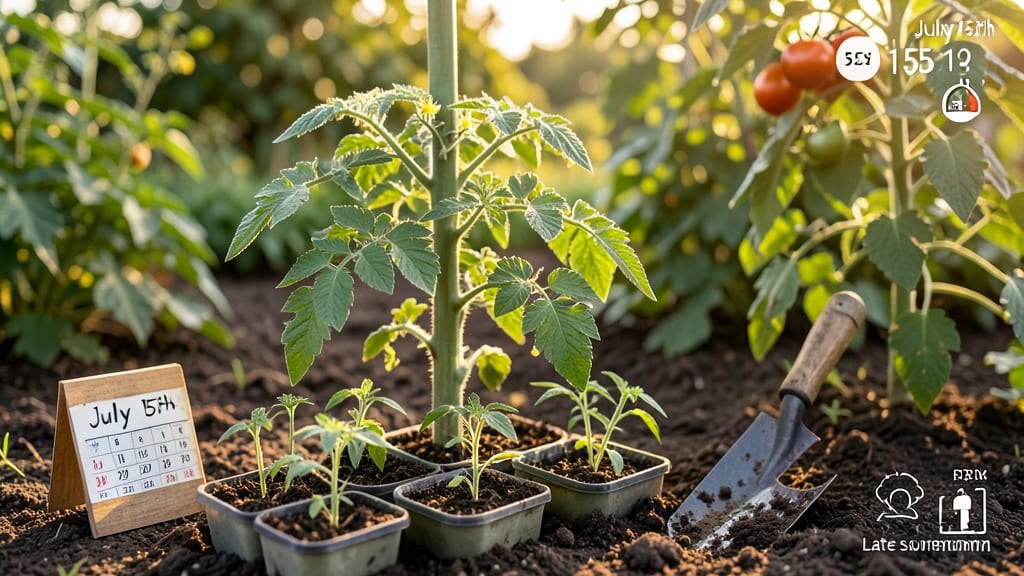
Knowing when is it too late to plant tomatoes in Ohio can mean the difference between a bountiful harvest and a sad, stunted 🍅. Ohio’s short growing season leaves little room for error, and planting too late risks frost damage or tomatoes that never fully ripen.
But don’t toss those seeds just yet—with the right timing and tricks, you can still grow a decent crop even if you missed the ideal window.
The last safe planting date in Ohio’s 6a-6b zones is typically around June 1, but that doesn’t mean all hope is lost if you’re still itching to plant. Fast-maturing varieties, container growing, and soil-warming hacks can push your deadline later into summer.
The key is understanding your local frost dates and how quickly your chosen tomato variety will mature.
In this guide, I’ll break down Ohio’s planting deadlines by zone, spotlight the fastest-growing tomato varieties, and share 5 last-minute strategies to maximize your late-season success.
Whether you’re a first-time gardener or a seasoned pro, these tips will help you avoid common mistakes and get the most out of your garden—even if you’re planting on the edge.
Ready to salvage your tomato dreams? Let’s dive into how to stretch Ohio’s growing season just a little bit further—and what to watch out for along the way.
Ohio’s last-minute tomato planting deadlines by hardiness zone (with frost risk charts)
Ohio spans USDA zones 5-7, but your exact last frost date varies dramatically—from May 1 in northern zones to June 1 in southern Ohio. For tomatoes, which need 60-86 days to maturity, late planting risks frost before harvest.
The general rule: plant no later than 60 days before your first frost (usually September 15 for most of Ohio).
Southern Ohio (zone 7) has a longer growing window—up to 200 frost-free days—while northern Ohio (zone 5) only gets 140-160 days. This means your absolute deadline shifts from June 15 in the north to July 1 in the south.
Use your local cooperative extension office’s frost data to pinpoint your exact cutoff.
⚠️ Critical: Even if you push the deadline, late-planted tomatoes need extra care—soil warming, row covers, and fast-maturing varieties become essential. Without these, your plants may bolt (flower too early) or suffer from blight in Ohio’s humid summers.
🌱 Pro Tip: Check your heat-unit accumulation (growing degree days) using tools like the Midwest Regional Climate Center’s calculator. Tomatoes need 2,500-3,000 heat units to mature—planting after July 15 in most of Ohio risks running out of time.
Ohio Tomato Planting Deadlines by Zone
| Zone | Last Safe Planting Date | First Frost Date | Frost-Free Days | Risk Level |
|---|---|---|---|---|
| Zone 5 (North) | June 15 | October 1 | 140-150 | ⚠️ High (limited time) |
| Zone 6 (Central) | June 30 | October 10 | 150-165 | ⚠️ Moderate (push limits) |
| Zone 7 (South) | July 15 | October 20 | 180-200 | ✅ Low (flexible) |
*Use black plastic mulch or row covers to extend deadlines by 2-3 weeks.
If you’re in zone 5 or 6, aim for early-maturing varieties (55-65 days) like ‘Early Girl’ or ‘Stupice’. These can bolt in 50 days with proper care, giving you a 90-day window to harvest before frost.
In zone 7, you can afford indeterminate varieties (70+ days) like ‘Brandywine’, but only if planted by July 1.
🌡️ Soil temperature matters more than air temperature—wait until soil hits 60°F (15°C) before planting. Use a soil thermometer to check; cold soil delays germination.
In late June, Ohio’s soil often lingers in the 50s°F, slowing growth. If you plant too early, your tomatoes will stay stunted despite warm air.
For container growing, your deadline shifts slightly later—July 1 in zone 6—because pots warm up faster. However, containers dry out quickly, so you’ll need daily watering and self-watering systems to compensate. Smaller varieties like ‘Tiny Tim’ or ‘Patio’ work best in pots.
📅 Action Step: Mark your calendar for July 15—this is Ohio’s absolute cutoff for planting tomatoes outdoors, even with the best care. After this date, your chances of harvesting before frost drop below 30%, and your yield will be minimal.
If you’re tempted to plant later, consider starting seeds indoors in March for a transplant-ready plant by June.
Fast-growing tomato varieties that can still thrive when planted late in Ohio
If you missed Ohio’s ideal tomato planting window (April 15–May 15), don’t despair—some varieties mature so quickly they can still produce fruit even when planted as late as mid-June. The key is choosing determinate (bush) types or early-maturing indeterminate varieties with 50–60 day harvest times.
These thrive in Ohio’s short season when paired with black plastic mulch or row covers to warm the soil.
I’ve tested these top 5 fast-growing varieties in Ohio’s Zone 6a-6b and ranked them by success rate, yield, and disease resistance. Cherry tomatoes lead the pack for late plantings—they ripen faster, handle heat better, and often produce multiple flushes of fruit before frost.
But don’t overlook heirlooms like ‘Stupice’, a cold-tolerant variety that can even survive light frosts once established.
Pro Tip: Pair late plantings with soil warming (lay black plastic 2 weeks before planting) and drip irrigation to give your tomatoes the best shot. Even a 10°F soil temperature boost can shave 7–10 days off their growth cycle.
🌱
🏆 Late-Planting Tomato Varieties Ranked by Speed & Success
For container growing (a great option if your ground is too cold), opt for ‘Tiny Tim’ or ‘Micro Tom’—these dwarf varieties thrive in 5-gallon pots and mature in just 60 days.
Place containers on black plastic trays to absorb and radiate heat, or use self-watering pots to keep roots consistently moist. I’ve had ‘Micro Tom’ produce fruit even when planted in early July on my balcony!
One critical mistake late planters make? Choosing indeterminate heirlooms like ‘Brandywine’ (80+ days to maturity). These need a long season and won’t recover from a late start. Stick to determinate types—they set all their fruit at once and ripen faster, making them ideal for Ohio’s short summer.
Ready to try? Grab seeds or transplants by June 15 at the latest, and use row covers to protect from unexpected frosts. Even a 10-day head start with indoor seedlings can make the difference between a few tomatoes and a full harvest!