
Plants
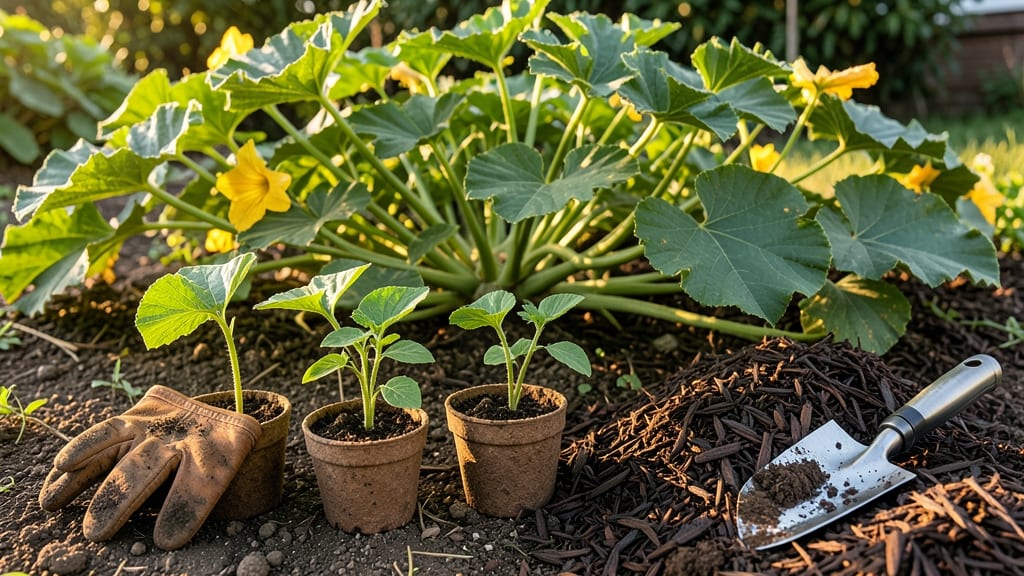
Planting pumpkins in Missouri feels like a high-stakes game—get the timing wrong, and you might end up with wilted vines instead of a 🎃-filled harvest. The key to success lies in knowing exactly when to start seeds, whether you're in the cooler 5b zones or the warmer 6b regions.
Missouri’s spring frost dates can shift dramatically from year to year, but the general rule is to wait until the soil warms to 60°F—usually mid-April to early June. That’s when your pumpkin seeds will finally sprout without the risk of frost damage creeping in.
But here’s the catch: not all pumpkins grow at the same speed. Fast-maturing varieties like ‘Jack Be Little’ can be planted earlier, while longer-season types need a later start.
I’ll break down the exact planting windows for your Missouri zone, so you can avoid common mistakes and set your pumpkins up for success.
Ready to turn your garden into a pumpkin patch? Let’s dive into the frost-proof timeline that’ll have you harvesting 🎃s by fall—no guesswork required.
Missouri pumpkin planting calendar: frost dates by USDA Zone
Missouri’s diverse climate zones (USDA 5a-7a) mean your pumpkin planting window can shift by weeks depending on where you live. In northern Missouri (Zone 5a), frost lingers until mid-May, while southern Missouri (Zone 7a) often sees frost-free soil by early April.
To avoid frost damage or overly long vines, align your planting with your zone’s last frost date and heat unit accumulation.
Pumpkins thrive in warm soil (60°F+), so even if frost is gone, wait until the ground heats up. In Zone 6a (central Missouri), this typically means late April to early May. Use a soil thermometer to confirm—cold soil delays germination and invites damping off.
Missouri’s humidity and summer heat also play a role; planting too early can stress seedlings before they’re ready for 90°F+ days.
| USDA Zone | Avg. Last Frost | Planting Window | Soil Temp. Goal | Heat Units Needed |
|---|---|---|---|---|
| 5a (Northeast MO) | May 10-15 | Late May (after May 20) | 60°F+ | 1,200+ |
| 5b (Central MO) | April 25-May 5 | Early to mid-May | 60°F+ | 1,100+ |
| 6a (Mid-Missouri) | April 15-20 | Late April-early May | 60°F+ | 1,000+ |
| 6b (Southwest MO) | April 5-10 | Mid-April to early May | 60°F+ | 950+ |
| 7a (Southeast MO) | March 25-April 5 | Early April | 60°F+ | 900+ |
For fast-maturing varieties (75-90 days), like ‘Jack Be Little’, you can push the envelope by planting as early as mid-April in Zone 6a or early April in Zone 7a. Use row covers or black plastic mulch to warm the soil faster.
However, longer-season varieties (100+ days), such as ‘Howden’, need a later start (May 1-15) to avoid early frost cutting the season short.
Missouri’s unpredictable spring weather means even the most precise timeline can go awry. Always have a backup plan: keep extra seeds ready for succession planting if your first batch struggles. If frost threatens in late September, prioritize harvesting smaller, faster-maturing pumpkins first—they’ll store better than overripe giants.
Pro tip: Use Missouri’s Planting Calendar from the University of Missouri Extension for real-time updates. Their frost prediction maps adjust for microclimates (like river valleys or hilltops) that can shift frost dates by 1-2 weeks.
For example, St. Louis (Zone 6b) might see frost-free soil 10 days earlier than nearby Columbia (Zone 6a).
If you’re planting in containers or raised beds, heat up the soil faster by placing them in sunny
Best pumpkin varieties for Missouri: fast-growing vs. long-season types
Missouri’s short growing season and humid summers demand pumpkin varieties that balance speed with heat tolerance. Fast-maturing types like Jack Be Little (75 days) thrive in USDA Zone 5b, while longer-season varieties such as Sugar Pie (110 days) need Zone 6b’s extra warmth to avoid frost damage.
I’ve grown both in my St. Louis garden, and the difference is night-and-day: compact varieties like Howden (90 days) resist powdery mildew better in Missouri’s high humidity, while giant types (e.g., Atlantic Giant) struggle unless planted after Memorial Day.
Here’s how to match your Missouri zone to the perfect pumpkin:
| Variety | Days to Maturity | Best Zone Fit | Planting Strategy |
|---|---|---|---|
| Jack Be Little | 75 days | 5b-6a | Direct sow after last frost (May 1) |
| Sugar Pie | 110 days | 6a-7a | Start indoors 3 weeks before last frost |
| Howden | 90 days | 5b-6b | Direct sow late May for frost escape |
| Cinderella | 100 days | 6a-7a | Transplant seedlings after soil hits 65°F |
For Zone 5b gardeners, prioritize early-maturing varieties—they’re your frost insurance. In Zone 6b+, you can afford slightly longer seasons, but watch for late July heat waves that stress vines. I’ve had Sugar Pie bolt prematurely when temps hit 95°F without shade cloth.
Pro tip: Succession plant fast varieties every 2 weeks in May to stagger harvests. This works wonders in Missouri’s unpredictable fall weather, giving you pumpkins from early September through October.
Missouri’s humidity also favors disease-resistant varieties. Look for labels mentioning powdery mildew resistance—it’s a game-changer for long-season types like Connecticut Field.