
Plants
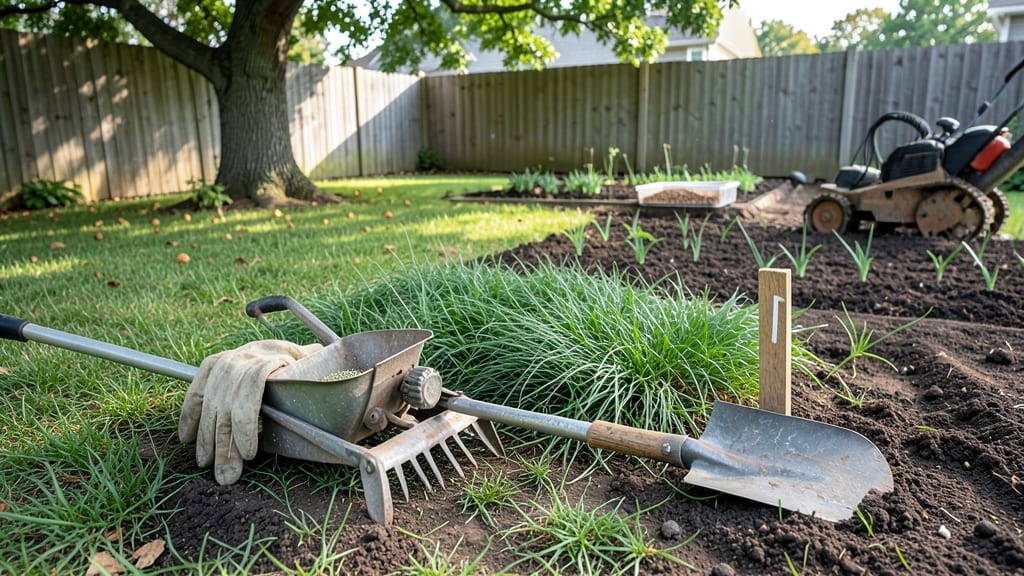
Planting grass seed in Colorado at the wrong time can turn your dream of a vibrant lawn into a frustrating wait—especially with the state's dramatic elevation shifts and unpredictable weather swings.
Whether you're in the Front Range or the Western Slope, timing matters more than most people realize. The best months for planting depend on your elevation, soil temperature, and even local microclimates that can shift conditions dramatically over just a few miles.
I’ll break down exactly when to plant for fast germination, how to prepare your soil, and which grass varieties thrive in Colorado’s USDA Zones 5-7. Avoid common mistakes like planting too early in high-altitude areas and learn how to beat Colorado’s notorious dry spells.
By the end, you’ll know the precise window—whether it’s early spring or fall—that sets your lawn up for success, not struggle. Let’s get started.
Colorado grass seed planting calendar by elevation: best months for fast germination
Colorado’s elevation ranges from 3,000 feet in the lowlands to over 14,000 feet in the mountains, creating wildly different planting conditions. Your success depends on knowing your elevation zone and soil temperatures, which can vary by 10-20°F between regions.
For example, Denver’s 5,280 ft elevation has a 50°F soil threshold in early April, while Aspen’s 7,800 ft may not reach it until late May.
Grass seed needs consistent soil temps between 50-70°F to germinate properly. Planting too early in cold soil risks seed rot, while waiting too long exposes seedlings to summer heat stress. Colorado’s two ideal windows—early spring and early fall—align with these conditions, but timing shifts dramatically with elevation.
Here’s how to match your elevation to the perfect planting window:
| Elevation Zone | Best Planting Window | Soil Temp Threshold | Key Risks | Germination Time |
|---|---|---|---|---|
| Lowland (3,000–5,000 ft) | Late March–April (Spring) or Late August–September (Fall) | 50–60°F | Late frosts, summer drought | 10–14 days |
| Foothills (5,000–7,000 ft) | Early April–May (Spring) or Early September (Fall) | 55–65°F | Unpredictable spring rains, hail | 14–21 days |
| Mountain (7,000+ ft) | Late May–June (Spring) or Late September (Fall) | 60–70°F | Short growing season, late snow | 21–28 days |
🌱 Pro Tip: Use a soil thermometer to confirm temps before planting—don’t guess!
Spring planting in Colorado offers longer daylight hours for seedling growth, but late frosts (even in April) can damage tender sprouts. For example, Colorado Springs (6,000 ft) averages a 10% chance of frost in late April, while Grand Junction (4,500 ft) sees 5% risk.
Always check your local USDA Plant Hardiness Zone (Zones 5–7 in CO) and monitor 10-day forecasts.
Fall planting avoids summer’s intense heat and drought, but seeds must establish 4–6 weeks before first frost. In Denver (Zone 5b), aim for mid-August planting to ensure germination before the October 15 average first frost.
Higher elevations like Steamboat Springs (7,500 ft) shift this to late August to account for earlier frosts.
Microclimates add another layer of complexity. A south-facing slope in Boulder may warm up 2 weeks earlier than a north-facing yard in Fort Collins. Observe your yard’s sunlight patterns for 3–5 days before planting to adjust timing.
Shaded areas (like under trees) may need shade-tolerant grass types like Fine Fescue, which germinates slower but thrives in cooler conditions.
Colorado’s Western Slope (e.g., Durango, Telluride) has a drier climate with lower humidity, while the Front Range (Denver, Colorado Springs) gets more moisture. This affects watering needs: Western Slope lawns may require 50% more water during establishment.
Always water deeply in the morning to prevent fungal diseases like dollar spot, common in Colorado’s humid spring mornings.
If you’re in a high-altitude area (8,000+ ft), consider cool-season grasses like Tall Fescue, which handles thin mountain air better than Kentucky Bluegrass. These varieties also go dormant in summer, conserving moisture during Colorado’s dry, windy periods.
For lowland areas (3,000–5,000 ft), Buffalo Grass or Zoysia can tolerate hotter summers with less water.
One critical mistake Colorado gardeners make is planting too early to beat the competition. Seedlings need consistent moisture—if you’re away for a week in May, your lawn could dry out before roots establish. Use mulch or erosion control blankets
How to prepare your Colorado lawn for grass seed success: soil, climate, and variety tips
Preparing your Colorado lawn before planting grass seed is the secret to fast germination and a thick, resilient turf. The Front Range and Western Slope have vastly different soil conditions, so your prep work should match your local climate.
Start by testing your soil’s pH—most Colorado grasses thrive in a neutral to slightly acidic range (6.0-7.0).
If your soil is too alkaline (common in high-elevation areas), mix in sulfur or peat moss to adjust it. Soil temperature is critical: aim for 50°F or warmer for spring planting and 60°F or cooler in fall.
Use a soil thermometer to check—this small tool can save you from planting too early and risking frost damage.
Next, remove all debris, rocks, and weeds from your planting area. A rake or dethatching tool works well for this step.
If your soil feels compacted, aerate it with a core aerator to improve water and nutrient absorption. Loose soil helps grass seeds make better contact with the earth, leading to quicker sprouting.
Here’s a key step many Colorado gardeners overlook: level the soil. Use a lawn roller or drag a level board across the area to create a smooth surface. Uneven ground leads to thin spots where water pools or drains too quickly.
After leveling, spread a thin layer of compost or starter fertilizer to provide essential nutrients for new growth.
Avoid Planting Too Early in High Elevations
Planting grass seed in March or April at elevations above 7,000 feet risks frost damage. Even if soil temperatures feel warm, nighttime temps can drop suddenly. Wait until after the last frost date (typically mid-April for the Front Range) and ensure soil stays consistently above 50°F for 5+ days.
Choosing the right grass seed variety is just as important as timing. Cold-hardy grasses like Tall Fescue or Fine Fescue are ideal for Colorado’s USDA Zones 5-7, while Kentucky Bluegrass needs more water and struggles in drought-prone areas.
For arid regions like the Western Slope, consider Buffalo Grass or Blue Grama, which thrive with minimal irrigation.
Finally, set up a consistent watering schedule before planting. Grass seeds need constant moisture to germinate, so plan to water lightly but frequently (twice daily for the first week). Use a sprinkler with fine mist settings to avoid displacing seeds. After germination, gradually reduce watering to encourage deep root growth.
With these prep steps, your Colorado lawn will be ready for fast, even germination and a lush finish. The key is patience—rushing the process often leads to thin, patchy grass.
Take your time, and your efforts will pay off with a vibrant, healthy lawn that stands up to Colorado’s unique challenges. 🌱