
Plants
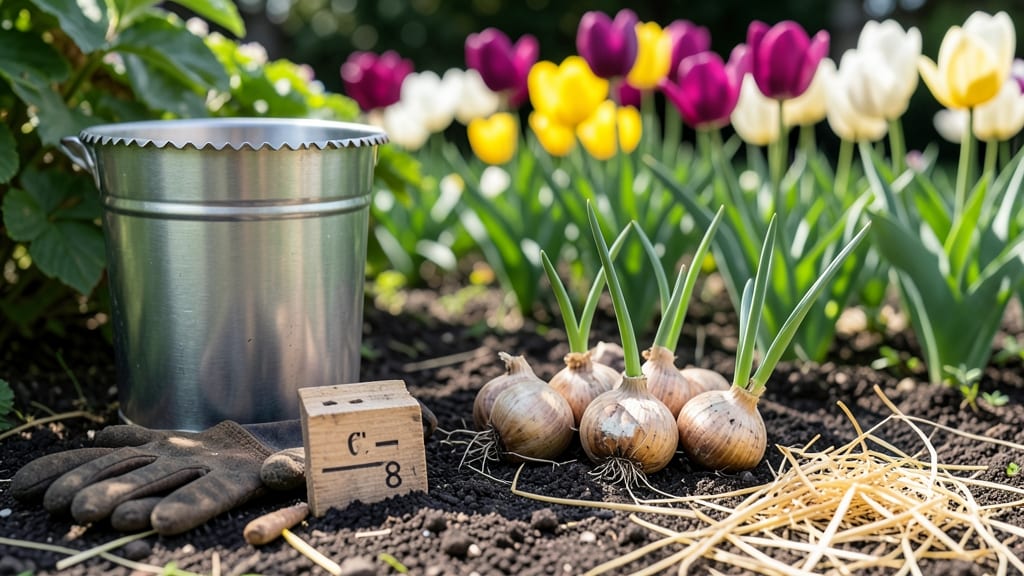
When should you plant bulbs in the ground? Timing your bulb planting wrong can mean the difference between a stunning spring display and wasted money—so knowing the exact chill-hour needs of your bulbs is critical for success. In USDA Zone 6a, where frost arrives by mid-November, fall is your best window to plant 🌱 bulbs like tulips and daffodils. Planting too early or late disrupts their natural dormancy cycle, leaving you with weak blooms—or worse, no flowers at all.
Most gardeners assume spring planting works for all bulbs, but that’s a common mistake. The key lies in understanding chill-hour requirements—how many cold weeks your bulbs need to thrive.
For Zone 6a, aim to plant 6-8 weeks before frost, typically in September or October, when soil temps drop but haven’t frozen yet. This timing ensures bulbs get the cold snap they crave before winter sets in.
I’ll break down exactly which bulbs need more chill hours (like tulips) versus those that tolerate milder winters (like crocuses), plus how to adjust for early thaws or late frosts.
Whether you’re a beginner or a seasoned gardener, these insights will help you avoid costly errors and guarantee a vibrant spring garden.
Ready to transform your yard? Let’s dive into the zone-specific schedule that’ll have your bulbs blooming like clockwork—no guesswork required.
Chill-hour requirements for popular spring bulbs (Zone-specific planting schedule)
Planting bulbs at the wrong time can leave you with no blooms next spring—or worse, dead bulbs. Most spring-flowering bulbs need a chill period (typically 10-16 weeks below 40°F) to trigger blooming.
Miss this window, and your tulips or daffodils might never flower in your garden. The key? Planting 6-8 weeks before your first frost in your specific USDA zone.
For example, in Zone 5, that means planting by mid-October, while Zone 9 gardeners can wait until December.
Below, I’ve broken down the chill-hour needs for the most popular spring bulbs, so you can plant with confidence and avoid common mistakes like premature blooming or dormancy failure.
| Bulb Type | Chill-Hour Range | Best Planting Month (Zones 3-7) | Best Planting Month (Zones 8-10) | Key Notes |
|---|---|---|---|---|
| Tulips | 12-16 weeks | September-October | November-December | Plant deeper (6-8" deep) in well-draining soil; avoid soggy spots. |
| Daffodils | 10-14 weeks | October-November | December-January | More disease-resistant than tulips; great for shady spots. |
| Hyacinths | 14-16 weeks | September-October | November | Love full sun but tolerate partial shade; plant shallower (4-6"). |
| Alliums | 8-12 weeks | October-November | December | Drought-tolerant; great for cutting gardens; plant 2-4" deep. |
| Crocus | 6-10 weeks | September-October | November | One of the earliest bloomers; plant very shallow (2-3" deep). |
Notice how crocus and alliums need fewer chill hours than tulips or hyacinths? That’s why they often bloom earlier in the season. If you’re in Zone 8-10, you might need to pre-chill bulbs in your fridge for 6-8 weeks before planting to mimic winter conditions.
I’ll cover this trick in more detail in the next section!
Pro tip: Use a soil thermometer to check if your soil has dropped below 60°F—this is your cue to start planting. In warmer zones, wait until soil temps are consistently below 65°F to prevent premature sprouting. Premature growth can kill tender shoots if a late frost hits.
For summer-blooming bulbs like dahlias or cannas, the rules flip—plant them in spring after your last frost. But for spring bloomers, fall planting is non-negotiable. Skipping this step means missed blooms next year.
One more thing: If you’re in a transition zone (like Zone 7b), aim for early September planting to give bulbs enough time to root before winter. In colder zones (3-5), you can push planting into early November as long as the ground isn’t frozen.
Now that you’ve got the timing down, let’s tackle how to adjust planting for early or late bloomers—plus how to force bulbs indoors for winter color. Stay tuned!
How to adjust planting time for early or late bloomers (pro tips)
Not all bulbs thrive on the same schedule—some need extra chill hours to bloom spectacularly, while others can handle warmer climates with ease.
If you live in Zone 8-10, where winters are mild, or Zone 3-5, where early thaws disrupt dormancy, adjusting your planting time can make all the difference. The key is understanding how to extend chill periods or delay planting without sacrificing next year’s blooms.
For early bloomers like crocus, which need minimal chill hours (40-60 hours), you can plant them as early as late summer in cooler zones. Meanwhile, tulips and daffodils, which require 120-150 chill hours, may need a little help in warmer climates.
Here’s how to fine-tune your approach based on your local conditions.
🌱 Did You Know? Some gardeners in Zone 9-10 plant spring bulbs in late fall or early winter to mimic cooler conditions. A simple trick is to bury them deeper (up to 8 inches for large bulbs) to insulate them from warm soil temperatures.
- Shoots emerge too early (before frost dates)
- Flowers appear weak or stunted (lack of dormancy)
- Bulbs rot in soil (from inconsistent freezing)
- Leaves yellow prematurely (energy drained too soon)
- No blooms next year (failed dormancy cycle)
- Store bulbs in a garage or unheated shed (40-50°F) for 8-12 weeks
- Use a refrigerator with a crisper drawer (35-40°F) for 6-8 weeks
- Plant in shady, moist soil to slow root growth until chill hours accumulate
- Mulch heavily with straw or leaves to insulate bulbs from warm soil
- Choose low-chill varieties (e.g., Crocus, Grape Hyacinth)
If you’re eager to extend your bloom season, try planting summer bulbs like dahlias or cannas in late spring (after the last frost) for fall color. These bulbs thrive in warmer soil and don’t need dormancy, making them perfect for Zone 7-10 gardeners.
Just avoid planting them too early—cold soil can stunt growth.
Finally, if you’ve planted bulbs too early and risked damage from unpredictable thaws, don’t panic. Store them in a cool, dry place (like a mesh bag in the fridge) until conditions improve. Most bulbs can be replanted 2-3 weeks later without issue, as long as they haven’t sprouted.
Experiment with these timing tweaks to create a year-round bulb display—whether you’re chasing early crocus blooms in Zone 5 or forcing tulips indoors for winter cheer. The right adjustments can turn a lackluster season into a showstopping garden.