
Companion Plants
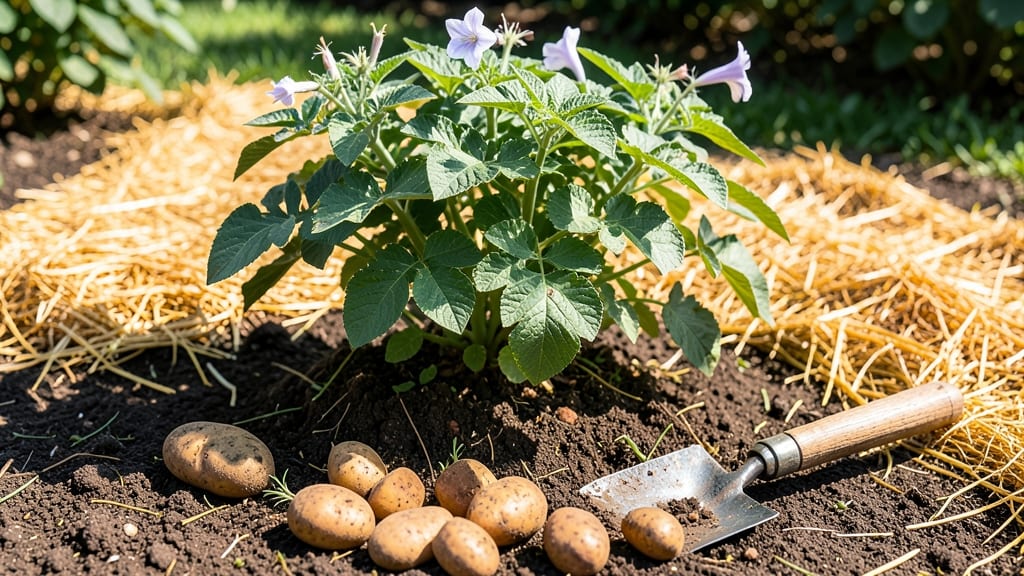
When should I plant potatoes in Zone 8? Timing your potato planting could mean the difference between a thriving harvest and wasted effort—especially when late frosts still threaten weeks after your last expected freeze. The key isn't just when you plant, but how you sync it with your local microclimate to avoid stunted growth or frost damage.
Most gardeners in Zone 8 rush to plant too early, only to watch their 🥔 sprouts blacken when temperatures dip unexpectedly. The ideal window actually opens in late winter (January-February), giving you a 6-week head start before the last frost typically arrives between mid-January and mid-February.
This strategy works whether you're growing early varieties like Yukon Gold or standard Russets.
But here's the catch: planting too late—even by a few weeks—can leave your tubers exposed to heat stress or disease. I'll break down the exact month-by-month schedule that works for both Northern and Southern Zone 8 subregions, plus how to adjust for your specific last frost date.
Ready to grow potatoes that actually thrive?
Let's dive into the proven planting calendar that's helped gardeners in Zone 8 go from frustrated to flourishing in just one season. You'll learn which varieties perform best in your climate, how to prep your soil for maximum yield, and the simple tricks to extend your harvest window.
Zone 8 potato planting calendar: exact months for frost-free success
In Zone 8, where last frosts can linger until mid-February in some areas, timing your potato planting is critical. Plant too early, and your seed potatoes may rot from cold soil. Plant too late, and you risk stunted tubers before harvest.
The key is planting 4-6 weeks before your last frost date, which in Zone 8 typically falls between January 15 and February 15, depending on your microclimate.
For most of Zone 8, the ideal planting window spans from late January through early March. This gives your potatoes enough time to mature before summer heat sets in.
Southern Zone 8 (e.g., San Diego, Phoenix) can start as early as December, while Northern Zone 8 (e.g., Las Vegas, Albuquerque) may need to wait until late February to avoid frost damage.
Zone 8 Potato Planting Timeline
| Month | Planting Window | Soil Temp Requirement | Notes |
|---|---|---|---|
| Late January | Southern Zone 8 only | 45-50°F (7-10°C) | Avoid if frost is forecasted |
| February | Best for most of Zone 8 | 50-55°F (10-13°C) | Ideal for early varieties |
| Early March | Northern Zone 8 | 55-60°F (13-16°C) | Last chance for main crop |
| April | Late plantings (risky) | 60°F+ (16°C+) | Only for fast-maturing varieties |
🌱 Pro Tip: Use row covers if planting in late February to protect from unexpected frosts.
If you're in a coastal Zone 8 area (e.g., Los Angeles, San Francisco), you might even squeeze in a fall planting around September for a late harvest.
However, this requires fast-maturing varieties (like 'Early Girl') and careful monitoring of first frost dates, which can arrive as early as November 15.
For container gardening in Zone 8, start your seed potatoes indoors in January and transplant outdoors after the last frost. Use 5-gallon pots with well-draining soil and place them in a sunny spot where they’ll receive at least 6 hours of sunlight daily.
Containers warm up faster than garden beds, so you can plant slightly earlier than in-ground potatoes.
Always check your local frost dates using resources like the USDA Plant Hardiness Zone Map or your local cooperative extension service. Microclimates—like urban heat islands or high desert areas—can shift your ideal planting window by 2-3 weeks.
For example, Phoenix may have no frost risk by January 1, while Denver’s outskirts might still see frost in early March.
Once you’ve planted, hill your potatoes (pile soil around the stems) every 2-3 weeks to encourage tuber formation. This is especially important in Zone 8’s hot summers, as hilling helps keep tubers cool and prevents greening (toxic solanine buildup).
Aim to hill when the plants reach 6 inches tall, then again at 12 inches and 18 inches.
Remember, soil temperature matters just as much as air temperature. Potatoes won’t sprout until the soil reaches 45°F (7°C), but they grow best when soil temps are between 60-70°F (16-21°C).
Use a soil thermometer to monitor conditions, especially if you’re planting in shady or high-altitude areas where soil warms slower.
For a continuous harvest, stagger your plantings by 2-3 weeks. Start with early varieties (e.g., 'Red Norland') in February, followed by mid-season (e.g., 'Kennebec') in March, and finish with late varieties (e.g., 'Russet') in early April.
This ensures you have potatoes ready to harvest from May through July.
Finally, don’t
Zone 8 potato planting calendar: exact months for frost-free success
Zone 8 gardeners have a unique advantage with potatoes—their longer frost-free season allows for two planting windows instead of one. The first window opens in January-February, giving you a jumpstart on early varieties, while a second window in March-April works for later maturing types.
The key is planting 4-6 weeks before your last frost date, which typically falls between mid-January and mid-February for most of Zone 8.
Southern Zone 8 regions (like San Diego or Phoenix) can plant as early as January 1st, while Northern areas (such as Las Vegas or Albuquerque) should wait until February 15th to avoid late frosts.
This timing ensures your seed potatoes sprout before soil temperatures drop below 45°F, which can stunt growth or trigger rot.
Here’s your month-by-month planting guide for Zone 8, including soil prep tips and variety recommendations:
| Month | Ideal Planting Time | Soil Temp Requirement | Best Varieties | Harvest Window |
|---|---|---|---|---|
| January | Southern Zone 8 only (e.g., Phoenix, San Diego) | 45–55°F (7–13°C) | Yukon Gold, Red Pontiac | May–June |
| February | Entire Zone 8 (safe for most regions) | 50–60°F (10–16°C) | Russet, Fingerling | June–July |
| March | Northern Zone 8 (e.g., Albuquerque, Reno) | 55–65°F (13–18°C) | Kennebec, Purple Viking | July–August |
| April | Late-season extension (heat-tolerant varieties) | 60–70°F (16–21°C) | Sweet Potatoes, Russian Banana | September–October |
Pro tip: Use black plastic mulch in cooler months to warm the soil faster and extend your planting window by 2–3 weeks. This is especially helpful for Northern Zone 8 gardeners who want to plant in February without risking frost damage.
For a continuous harvest, stagger your plantings by 2–3 weeks. For example, plant a batch in February, another in early March, and a final batch in mid-March. This way, you’ll have potatoes ready from May through August, ensuring a steady supply for your kitchen.
Remember, soil temperature matters more than air temperature. Use a soil thermometer to confirm your soil is at least 45°F (7°C) before planting. If it’s colder, wait a few more days—your patience will pay off with healthier tubers.