
Plants
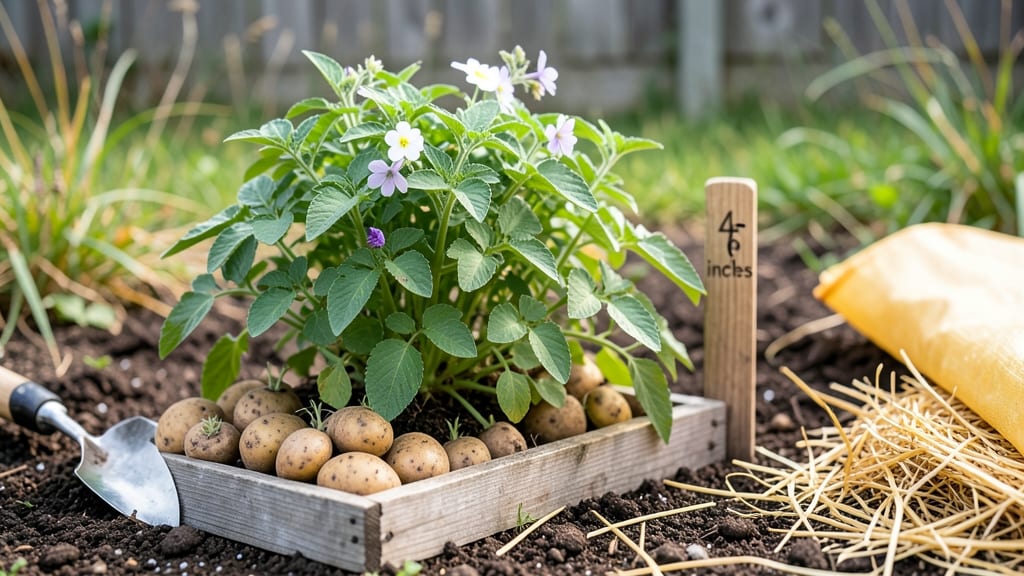
When can you plant potatoes in Zone 7? isn’t just about throwing 🥔 tubers into the ground—it’s the difference between a harvest that feeds your family for months and one that barely covers your dinner plate. With Zone 7’s unpredictable frost dates and soil warming quirks, getting the timing right means avoiding both early freezes and late-season stress on your plants.
Most gardeners in Zone 7 plant their potatoes 2-4 weeks before the last expected frost, typically between late February and early March, when soil temperatures hit a steady 45°F. But here’s the catch: not all varieties thrive on the same schedule.
Early potatoes like Yukon Gold need that head start, while late-season types can handle cooler soil if planted just before frost—with a little extra protection.
Whether you’re chitting your seed potatoes or prepping your garden bed, the key to success lies in knowing exactly when to plant for your specific microclimate. Let’s break down the exact weeks before last frost that’ll give you the best shot at a bountiful harvest—no guesswork, just results.
From adjusting for soil temperature to avoiding common mistakes that ruin harvests, you’ll learn how to time your potato planting like a pro. Ready to dig into the details?
Zone 7 potato planting schedule: exact weeks before last frost for success
In Zone 7, the average last frost date falls around March 15, but this can vary by 1-2 weeks depending on your specific microclimate. For reliable potato harvests, aim to plant seed potatoes 2-4 weeks before this date—typically between late February and mid-March.
This window ensures tubers have 60-90 days to mature before summer heat sets in.
Potatoes thrive best when soil temperatures reach 45°F (7°C), which usually occurs in Zone 7 by early March. If you plant too early, cold soil can stunt growth or even rot the tubers.
Conversely, planting too late risks blight from summer humidity or small yields due to shortened growing seasons.
Here’s the exact planting schedule for Zone 7, broken down by variety type and regional variations:
| Variety Type | Ideal Planting Window | Soil Temp Requirement | Days to Harvest | Notes for Zone 7 |
|---|---|---|---|---|
| Early Varieties (e.g., Yukon Gold, Red Norland) | Late February to early March | 45-50°F (7-10°C) | 60-80 days | Cold-hardy; best for Piedmont regions with earlier frosts. |
| Mid-Season Varieties (e.g., Kennebec, Russet) | Early to mid-March | 50-55°F (10-13°C) | 80-100 days | Versatile; ideal for Appalachian zones with cooler springs. |
| Late Varieties (e.g., Purple Viking, Sweet Potato) | Mid-March to early April | 55-60°F (13-16°C) | 100-120 days | Heat-tolerant; extend harvest into late summer. |
| Fall Planting (Optional) | Late July to early August | 60°F+ (16°C+) | 60-80 days (harvest before frost) | Use early varieties only; harvest by November 15. |
🌱 Pro Tip: Chit your seed potatoes (sprout indoors) 4-6 weeks before planting to jumpstart growth.
For Piedmont regions (e.g., Raleigh, Charlotte), aim for late February plantings to avoid late frosts, while Appalachian areas (e.g., Asheville, Knoxville) can wait until mid-March due to cooler springs. Always check your local Almanac frost dates for precision.
If you’re unsure about soil temperatures, use a soil thermometer to confirm readiness. Cold soil slows germination and invites rot diseases. For extra insurance, cover young plants with frost blankets if late frosts threaten after planting.
Another key factor is succession planting. In Zone 7, you can stagger plantings every 2-3 weeks from February to April to ensure a continuous harvest. For example, plant early varieties in late February, mid-season in early March, and late varieties in mid-March.
Harvest timing also varies: New potatoes can be dug as early as 60 days, while full-sized tubers need 90-120 days. Watch for flowering and yellowing foliage—these are your cues to dig!
Finally, avoid planting potatoes in the same spot year after year. They’re heavy feeders and susceptible to diseases like blight. Rotate with beans, corn, or tomatoes to keep your soil healthy.
With these exact timelines and tips, you’ll transform your Zone 7 garden into a potato powerhouse—ready for harvests from May through July! 🥔
How to adjust planting dates for early vs. late potato varieties in Zone 7
Not all potatoes are created equal—and neither are their planting schedules.
In Zone 7, early varieties like Yukon Gold or Red Norland need a head start to mature before summer heat sets in, while late-season types like Kennebec or Russet can handle cooler soils and even benefit from a late planting.
The key is matching your variety to the right window to avoid blight risks or stunted growth.
For early potatoes, aim to plant 2-4 weeks before your last frost date (typically late February to early March in Zone 7). These varieties thrive in cooler soil and need 90-110 days to harvest.
If you miss this window, you’ll likely end up with small, underdeveloped tubers by summer’s end.
Late varieties, on the other hand, can be planted as late as April—even up to 2 weeks after your last frost—because they tolerate warmer soil and take 110-130 days to mature. This flexibility lets you extend your harvest season and even squeeze in a second planting if space allows.
| Variety Type | Planting Window | Days to Harvest | Soil Temp. Needs | Best For |
|---|---|---|---|---|
| Early (e.g., Yukon Gold, Red Norland) | Late Feb–Early March | 90–110 days | 45–55°F | Spring harvests, cooler climates |
| Mid-Season (e.g., Kennebec, Russet) | Early March–Mid-April | 100–120 days | 50–60°F | Balanced seasons, storage |
| Late (e.g., Red Pontiac, Purple Viking) | April–Early May | 110–130 days | 55–65°F | Fall harvests, heat tolerance |
To maximize your harvest, consider staggered plantings. Plant early varieties first, then follow with mid-season types 2–3 weeks later, and finally late varieties in April. This ensures a continuous supply of fresh potatoes from late spring through summer.
Just be sure to space your plantings at least 3 feet apart to prevent disease spread.
If you’re in a warmer microclimate (like Piedmont Zone 7), you might push late plantings even later—sometimes into early May—while cooler Appalachian areas should stick to the earlier windows. Always check your local frost dates and adjust accordingly.
Pro tip: Use black plastic mulch to warm soil faster for late plantings, or plant in raised beds to gain earlier control over soil temperature. With the right timing, you can turn a single planting season into a year-round potato feast—no greenhouses required!