
Planting
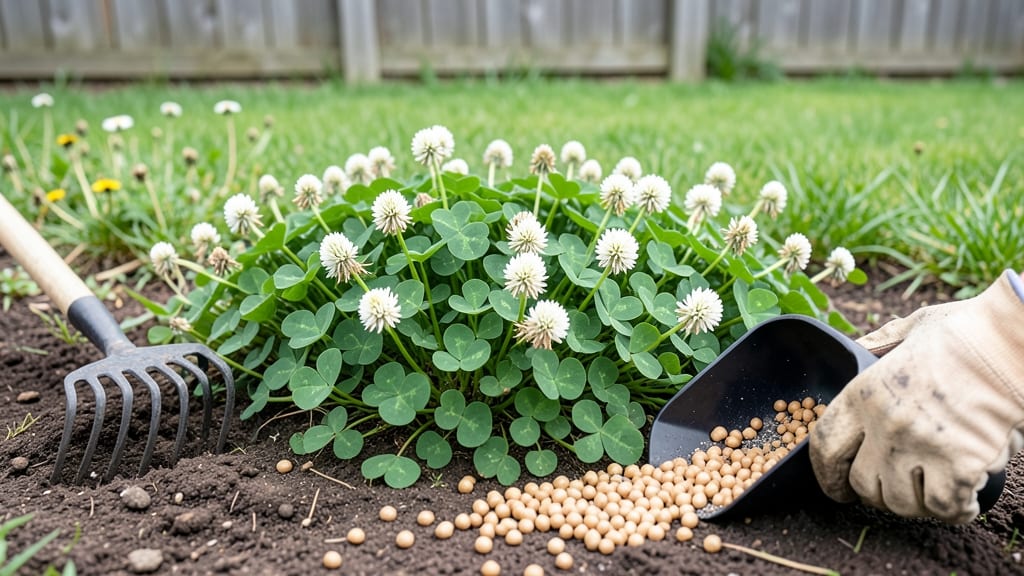
If you're asking "when should I plant clover in my lawn", timing is the secret to lush, weed-resistant ground cover that thrives all season long. Unlike many plants, clover 🌱 doesn't play by rigid rules - but getting it wrong can mean wasted seeds or stunted growth.
The best windows depend on your zone, with early spring and fall offering the perfect balance of warm soil and cool air for strong establishment.
Most gardeners in USDA Zone 6a (like me!) get the best results planting between March and April or September and October. This gives young plants time to develop deep roots before summer heat or winter frost sets in.
The key is planting after your last frost date - for me, that's around mid-April - when soil temperatures hit at least 50°F for consistent germination.
What surprises many people is how clover's planting window actually expands your options. Unlike grass, which demands precise timing, clover's flexible nature means you can still get good results with late spring or early fall plantings.
The trade-off? You might need to water more frequently during dry spells to help those little seeds establish before summer arrives.
Let me show you exactly how to match your local climate to the perfect planting schedule, plus the simple soil prep tricks that make all the difference.
By the end, you'll know not just when to plant, but how to give your clover the best possible start for a lawn that stays green and healthy year after year.
Best planting months for clover by USDA climate zones
Planting clover at the right time ensures strong germination and establishment, especially since it thrives in moderate temperatures (50-65°F).
Your USDA climate zone dictates the ideal window—most regions favor early spring or early fall, but cooler zones (3-5) lean toward spring, while warmer zones (8-11) often succeed with fall planting.
For USDA zones 3-5, aim for late April to early June when soil warms to 55°F+. In zones 6-7, both March-April (spring) and September-October (fall) work well, avoiding summer heat stress. Meanwhile, zones 8-11 can plant as late as November due to milder winters.
Timing matters because clover seeds need consistent moisture to sprout—planting too early risks frost damage, while late planting may lead to weed competition or summer dormancy. Always check your last frost date (typically 2-4 weeks before planting in spring).
Clover’s deep roots also benefit from establishing before extreme heat. In Southern states (zones 8-11), fall planting (August-September) gives clover time to grow before winter rains. Northern gardeners (zones 3-5) should avoid planting in May—summer’s heat can stress young seedlings.
| USDA Zone | Best Planting Window | Key Considerations |
|---|---|---|
| 3-5 | Late April–Early June | Soil must reach 55°F+; avoid frost risk |
| 6-7 | March–April or Sept–Oct | Spring: post-last frost; Fall: 4–6 weeks before frost |
| 8-11 | August–November | Fall planting preferred; summer drought risk |
If you’re unsure about your zone, use the USDA Plant Hardiness Zone Map to locate your area. For example, Chicago (Zone 5) gardeners should plant in mid-May, while Miami (Zone 11) can sow anytime except December-February. Always adjust for microclimates—shady spots may need earlier planting.
Another pro tip: Test soil temperature with a soil thermometer (ideal range: 50–65°F). Cold soil (<45°F) delays germination, while scorching heat (>80°F) can kill seeds. In dry climates, water the area 24 hours before planting to create a moist seedbed.
For overseeding existing lawns, mow short (<1.5 inches) and aerate 1–2 weeks before planting. This opens soil for seeds to reach 1/4-inch depth, their ideal planting depth. Avoid fertilizing right before planting—clover thrives in low-nitrogen soils.
Remember: Clover spreads quickly, so plan for full coverage in 3–4 weeks if conditions are ideal. If you miss the spring window, don’t stress—fall planting often yields healthier, more drought-resistant clover for the following year.
For pollinator-friendly clover, prioritize white or red clover over microclover, as they attract bees and butterflies. Plant in small patches first to monitor growth before committing to large areas.
Best planting months for clover by USDA climate zones
Finding the perfect time to plant clover depends entirely on your USDA climate zone. Unlike grass, which has narrow windows, clover thrives when soil temperatures hit 50-65°F—giving you more flexibility.
For Zone 6a, like my garden, I aim for March-April or September-October, but warmer zones like Zone 8-11 can plant year-round with proper watering.
The key difference between spring and fall planting is how clover establishes roots. In spring, you get a head start before summer heat, while fall plantings benefit from cooler air and fewer weeds.
My Zone 6a clover always does best when planted 4-6 weeks before the first frost—around mid-September for me.
Here’s how to match your zone to the ideal window:
| Zone | Best Planting Window | Soil Temp Goal | Why It Works |
|---|---|---|---|
| 3-5 (Cold) | Late April–June or August–September | 50–60°F | Avoids early frost; warm soil speeds germination. |
| 6-7 (Temperate) | March–April or September–October | 55–65°F | Balances root growth and weed competition. |
| 8-11 (Warm) | Fall (Sept–Nov) or Winter (Dec–Jan) | 60–70°F | Cooler temps reduce water needs; avoids summer drought. |
One common mistake I see is planting clover in summer. While it’s possible in cooler zones, the heat stresses seeds and requires daily watering to prevent drying. My Zone 6a clover always struggles if planted after June—so I stick to the spring/fall rule.
Pro tip: If you’re in a transition zone (like Zone 7b), split your planting—half in early spring and half in late summer—to extend coverage. Just monitor soil moisture closely during dry spells.
For microclover, the timing shifts slightly—it prefers late summer (August) in most zones because it establishes faster in warm soil. But for white clover, cooler spring temps work best to prevent bolting.
Remember, clover’s flexibility is its superpower. Even if you miss the "perfect" window, a well-prepped soil and consistent watering can still yield great results. The goal is strong roots, not perfection. 🌱