
Companion Plants
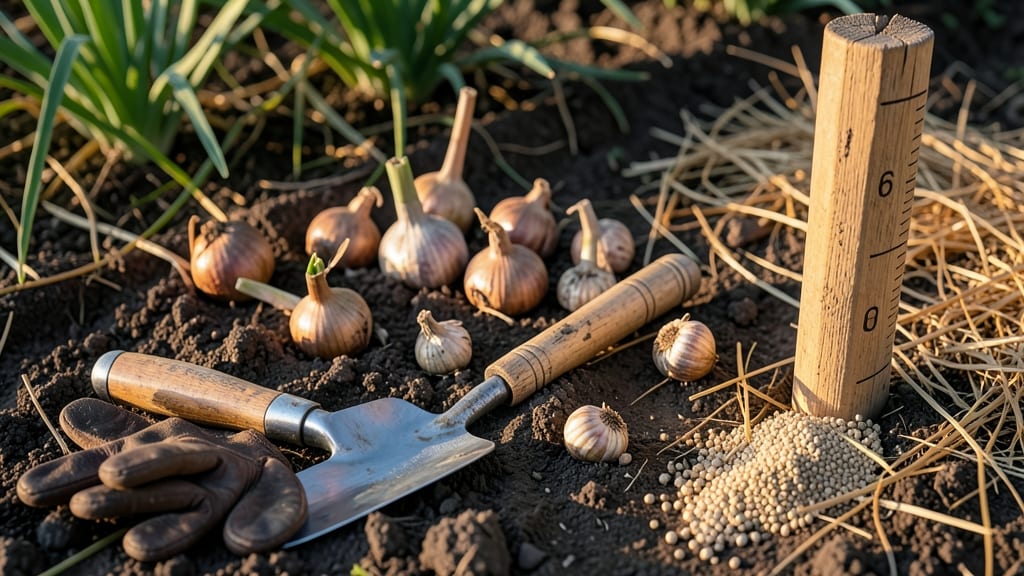
Planting bulbs in the fall is your secret weapon for a garden bursting with color next spring—but timing it wrong could leave you with nothing but disappointment.
If you're in USDA Zone 6a, like many gardeners across the Midwest, you've got a 6-week window before the ground freezes to get those 🌱 bulbs in the soil.
That means starting as early as September and wrapping up by mid-November. Getting it right means stronger roots, bigger blooms, and fewer missed opportunities.
I've seen firsthand how a few weeks' difference can turn a thriving spring display into a patch of dirt. The key isn't just "plant early"—it's about understanding your local frost dates, soil temperatures, and which bulbs thrive in your climate.
Let me show you exactly how to nail this timing for vibrant results.
Whether you're a first-time gardener or a seasoned pro, these insights will help you avoid common mistakes like planting too shallow or waiting too late. Let's make sure your fall planting sets you up for a showstopping spring.
The 6-Week pre-frost window: exact timing for fall bulb planting
Timing is the secret weapon for fall bulb planting—get it right, and you’ll enjoy vibrant spring blooms. The ideal window is 4-6 weeks before your first frost, giving bulbs time to establish roots before winter dormancy.
This means late September to early November in most U.S. regions, but your exact deadline depends on your USDA hardiness zone and local frost patterns.
Why this window? Bulbs need cool soil temperatures (below 60°F) to trigger root growth, but they can’t handle freezing ground. Planting too early (like August) risks sprouting before frost, while planting too late (November) leaves bulbs vulnerable to winter kill.
The 6-week rule balances these risks perfectly.
To find your exact planting deadline, check your average first frost date (use the USDA Plant Hardiness Zone Map or local weather data). For example, in Zone 5, aim for mid-October, while Zone 8 gardeners can plant until early December.
Pro tip: Set a reminder 6 weeks before your frost date—this is your planting deadline.
Don’t rely on calendar months alone—some years, frost comes earlier or later than expected. I once planted tulip bulbs in early November in Zone 6, only to have a hard freeze kill them.
Since then, I’ve used a frost alert app to track real-time forecasts. Local microclimates (like urban heat islands) can also shift your deadline by 1-2 weeks.
Here’s how to calculate your personalized planting window:
- Look up your USDA zone (most gardeners are in Zones 3-10).
- Find your average first frost date (e.g., October 15 in Zone 4).
- Subtract 6 weeks to get your planting deadline (e.g., September 1 for Zone 4).
- Plant 2 weeks before and after this deadline for flexibility.
If you’re unsure, err on the earlier side. Bulbs planted too late are more likely to rot or fail than those planted too early, which can simply wait until conditions improve.
Early planting also gives bulbs extra time to develop strong root systems, leading to healthier blooms next spring.
🌱 Regional exceptions exist! In mild-winter zones (Zones 8-10), bulbs can be planted until December or even January, but they still need cool soil.
In cold climates (Zones 3-4), start planting as early as mid-August to avoid early frosts. Always check local bulb catalogs for zone-specific advice.
| USDA Zone | Ideal Planting Window | Key Considerations |
|---|---|---|
| Zones 3-4 | Mid-August to early October | Early frost risk; plant ASAP after soil cools |
| Zones 5-6 | Late September to mid-October | Standard window; avoid late November planting |
| Zones 7-8 | October to early December | Milder winters; plant later but ensure soil cools |
| Zones 9-10 | November to January | No frost; plant when soil temps drop below 60°F |
🌡️ Pro Tip: Use a soil thermometer to confirm temps are below 60°F before planting.
For container gardening, the rules are slightly different. Potted bulbs need to be planted 4-6 weeks before frost too, but they’re more flexible—you can move them to a garage or cold frame if frost threatens.
Just ensure they get cool but not freezing conditions. I’ve successfully overwintered daffodil bulbs in pots by burying them in straw mulch and storing them in an unheated shed.
One common misconception is that “earlier is always better”. While early planting helps, bulbs need time to root before winter. Planting in August in Zone 5 might lead to premature sprouting if soil stays warm.
The 6-week window ensures bulbs root but don’t sprout until spring. Another myth? “All bulbs are created equal”—some, like crocuses, tolerate late planting, while tulips need precise timing.
🌿 Final timing tip: If you’re new to bulb planting, start with daffodils or crocuses—they’re forgiving and handle slight timing errors better than tulips or hyacinths. For maximum blooms, pair your planting with pro
The 6-Week pre-frost window: exact timing for fall bulb planting
Timing is everything when it comes to planting bulbs in the fall, and the 6-week window before your first frost is your golden opportunity. This rule applies whether you're in USDA Zone 3 with harsh winters or Zone 10 where frosts are rare.
The goal is to give bulbs enough time to establish strong roots before the ground freezes, so they can burst into bloom next spring.
For most gardeners, this means starting in late September and finishing by mid-November. But don't just guess—check your local frost dates using the USDA Plant Hardiness Zone Map or your local cooperative extension service.
For example, in Zone 6a, like many Midwestern states, the first frost typically arrives around November 15, so your deadline is roughly October 15.
| USDA Zone | Ideal Planting Window | Soil Temp Goal (°F) | Key Tip |
|---|---|---|---|
| Zones 3-5 | Late September to early October | 40-50°F | Plant early—cold soils speed root growth. |
| Zones 6-7 | Mid-September to mid-October | 50-60°F | Aim for 6 weeks before frost. |
| Zones 8-10 | October to early November | 60-70°F | Plant after summer heat breaks. |
If you're in a warmer zone (8-10), you might still plant in fall, but focus on heat-tolerant bulbs like rain lilies or crinums. These bulbs need cooler soil to trigger blooming, so even mild winters can work if you plant in October or early November.
The key is avoiding summer heat stress, which can cause bulbs to rot before they even sprout.
One common mistake is thinking "earlier is always better". While early planting helps in cold climates, planting too early in warm zones can lead to premature sprouting and weak roots.
For example, in Zone 9, planting in August might trigger bulbs to wake up too soon, only to be fried by summer heat. Stick to the 6-week rule and adjust for your local climate.
Pro tip: Use a soil thermometer to check temperatures. Bulbs need soil to be between 40-60°F for optimal root growth. If your soil is still warm, wait a few weeks—your bulbs will thank you with stronger blooms next spring.
And remember, cooler soil speeds root growth, so don't rush if temperatures are still high.
Finally, if you miss the fall window, don't panic! Some bulbs, like caladiums or cannas, can be planted in early spring. But for classic spring bloomers like tulips and daffodils, fall planting is the only way to guarantee those vibrant spring displays.
Mark your calendar now—your future garden will thank you!