
Flowers
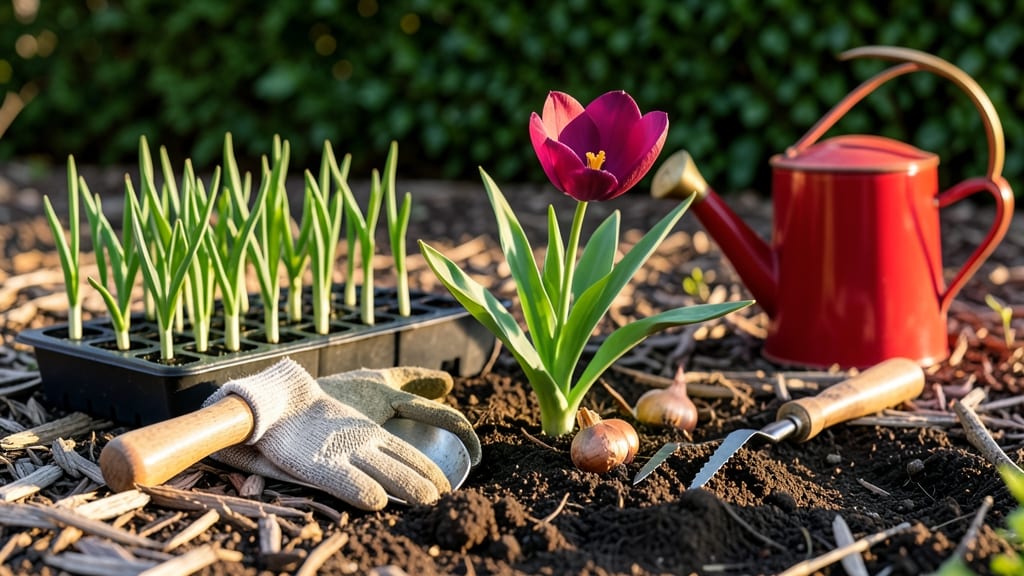
Timing your spring flower planting just right can transform your garden from a sleepy patch of dirt to a vibrant, blooming paradise in just a few months. But here's the catch: rush it, and a late frost could wipe out your hard work before it even starts.
Skip the right window, and you might miss the peak blooming season entirely.
In Zone 6, where I've tested countless flower varieties, the magic happens after your last frost date—typically around mid-April—but not every flower is ready to go in at the same time.
Annuals like marigolds and petunias can handle cooler soil, while tender perennials like lavender need to wait until the ground warms to 60°F.
This isn't just about dates—it's about understanding your microclimate, soil temperature, and even the type of flowers you're planting. I'll break down the exact weeks before your last frost to plant for guaranteed blooms, plus how to adjust if your spring runs warmer or colder than average.
Whether you're a first-time gardener or a seasoned pro, getting this timing right is the key to a garden that bursts with color from May through October. Let's dive into the science and secrets that will make your spring planting a success.
Exact weeks before last frost to plant spring flowers for guaranteed blooms
Getting your spring flower planting timeline right means knowing exactly how many weeks before your last frost to plant each type.
In Zone 6, where I garden, this typically means aiming for 2-4 weeks before the average last frost date—around April 15—but the exact window depends on whether you're planting seeds, transplants, or bulbs.
For cool-season annuals like pansies or sweet peas, you can start seeds 6-8 weeks before your last frost. These hardy plants tolerate light frost and even bloom in cooler weather.
Meanwhile, warm-season favorites such as marigolds or zinnias need to wait until 2-3 weeks after your last frost to avoid stunted growth from chilly soil.
Perennials like coneflowers or black-eyed Susans can handle being planted 4-6 weeks before your last frost, but tender perennials like lavender or rosemary should wait until 2-3 weeks after the frost date when soil temperatures hit 60°F (15°C).
Bulbs, like tulips or daffodils, are a special case—they should be planted in fall, but spring-blooming bulbs like hyacinths can go in 4-6 weeks before your last frost.
Here’s the key rule I follow: Add 2 weeks to your frost date for seeds, subtract 2 weeks for transplants, and adjust based on soil temperature. For example, if your last frost is April 15, plant seeds by March 15 and transplants after April 1.
🌱 Spring Flower Planting Timeline by Type (Zone 6)
| Flower Type | Planting Window (Before Last Frost) | Soil Temp Requirement | Notes |
|---|---|---|---|
| Cool-Season Annuals (Pansies, Sweet Peas) | 6-8 weeks before | 40-50°F (4-10°C) | Tolerates light frost; direct sow or start indoors. |
| Warm-Season Annuals (Marigolds, Zinnias) | 2-3 weeks after | 60°F+ (15°C+) | Wait for soil to warm; use transplants for faster blooms. |
| Perennials (Coneflowers, Black-Eyed Susans) | 4-6 weeks before | 50°F+ (10°C+) | Hardy but benefits from mulch after planting. |
| Tender Perennials (Lavender, Rosemary) | 2-3 weeks after | 60°F+ (15°C+) | Avoid cold soil; use containers for flexibility. |
| Spring-Blooming Bulbs (Hyacinths) | 4-6 weeks before | 40-50°F (4-10°C) | Plant in fall for best results; spring planting is secondary. |
💡 Pro Tip: Use a soil thermometer to confirm soil temps match your plants' needs before planting.
Microclimates can shift your planting window by 1-2 weeks. For example, urban areas often experience urban heat islands, where sidewalks and buildings trap heat, allowing you to plant 1 week earlier than rural areas.
Conversely, low-lying gardens or shady spots may stay colder longer, requiring you to delay planting by 1-2 weeks.
If you're unsure about your last frost date, check the USDA Plant Hardiness Zone Map and local weather records. Many extension offices provide historical frost data for your area.
For example, in Zone 7, you might plant 2 weeks earlier than Zone 6, while Zone 5 gardeners should delay by 1-2 weeks.
One critical mistake I see is planting warm-season flowers too early, only to have them bolt or rot in cold soil. Always test soil temperature with a thermometer—60
Exact weeks before last frost to plant spring flowers for guaranteed blooms
Planting your spring flowers at the right time means the difference between a garden that bursts with color and one that struggles to take hold.
In Zone 6, where I’ve seen countless blooms thrive, the general rule is to plant 2-4 weeks before your last frost date—but this varies wildly depending on the flower type.
For example, cool-season annuals like pansies can handle planting 6-8 weeks before last frost, while tender perennials like geraniums need to wait until 2 weeks after.
Your last frost date is the starting point, but soil temperature and flower hardiness are equally critical. I’ve learned the hard way that even if the air is warm, cold soil can stunt growth or kill delicate roots.
Use a soil thermometer to confirm temperatures are above 50°F (10°C) before planting most flowers—this is especially true for warm-season bloomers like zinnias and marigolds.
Here’s the key: Annuals and hardy perennials can go in earlier, while tender perennials and warm-season flowers need to wait. For instance, dahlias and canas should never be planted until after all danger of frost has passed, while calendulas and snapdragons can handle a light frost.
| Flower Type | Weeks Before Last Frost | Soil Temp Requirement | Notes |
|---|---|---|---|
| Cool-Season Annuals (Pansies, Violas) | 6-8 weeks | 40-50°F (4-10°C) | Tolerates light frost; ideal for early spring. |
| Hardy Perennials (Coneflowers, Black-Eyed Susans) | 4-6 weeks | 45-55°F (7-13°C) | Establishes roots before summer heat. |
| Warm-Season Annuals (Marigolds, Zinnias) | 2-4 weeks | 60°F+ (15°C+) | Wait until soil is warm; sensitive to cold. |
| Tender Perennials (Geraniums, Lavender) | 2 weeks after last frost | 55°F+ (13°C+) | Avoids frost damage; needs stable warmth. |
| Bulbs (Tulips, Daffodils) | Fall planting (6-8 weeks before first frost) | 50-60°F (10-15°C) | Plant in fall for spring blooms; adjust timing for your zone. |
If you’re unsure about your last frost date, check the USDA Plant Hardiness Zone Map and local weather records. For example, in Zone 5, where frosts linger longer, you might need to delay planting by 1-2 weeks compared to Zone 6.
Conversely, in Zone 7, you can start earlier. Always err on the side of caution—a single late frost can devastate your garden before it even gets going.
Pro tip: Use row covers or cloche tunnels to extend your planting window for tender flowers. I’ve used these to plant petunias and geraniums up to 3 weeks before the official last frost date in Zone 6, giving me an earlier start on color.
Just remove the covers once nighttime temperatures stay above 50°F (10°C) consistently.
Finally, remember that soil preparation is just as important as timing. Amend your soil with compost and a balanced fertilizer (like 10-10-10) 2-3 weeks before planting to give roots a head start. This ensures your flowers aren’t competing with poor soil conditions once they sprout.