
Flowers
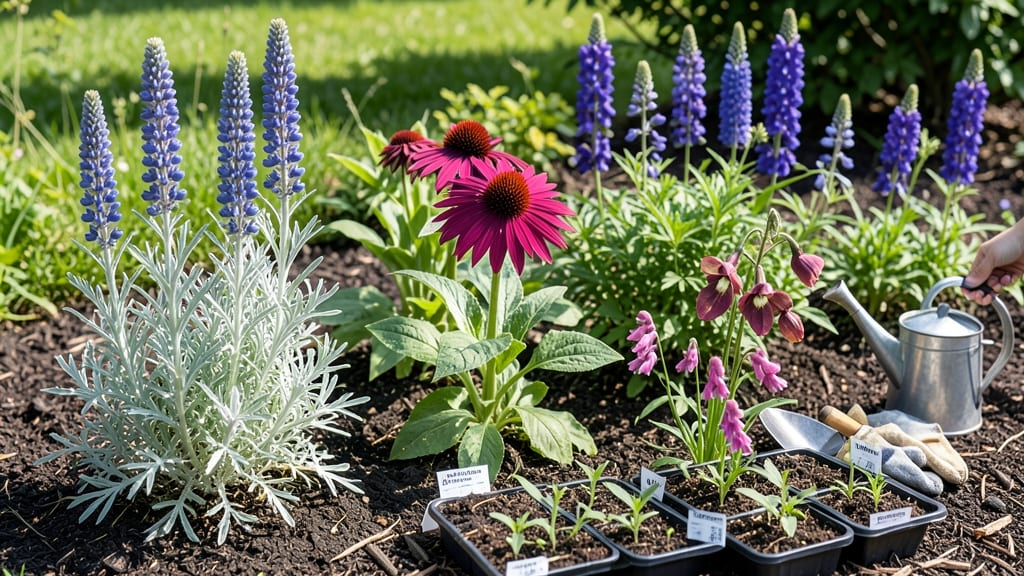
Timing your flower planting in Idaho isn't just about the calendar—it's about beating frost, avoiding drought, and unlocking bold blooms that last all season. With USDA zones 4-7 and dramatic climate shifts from desert to mountains, getting those seeds in the ground at the right moment makes all the difference.
Whether you're dreaming of lavender fields or vibrant coneflowers, the key lies in understanding Idaho's unique frost dates and microclimates. Plant too early, and a late freeze could wipe out your 🌸 dreams.
Too late, and you miss the best growing window for perennials and bulbs that thrive in this region.
I'll break down the exact months to plant—from March for hardy perennials to August for fall favorites—plus how to adjust for your specific corner of Idaho. No more guessing games; just a foolproof schedule to turn your garden into a year-round showstopper.
Ready to transform your outdoor space? Let's dive into the science-backed timing that'll have your flowers blooming like never before, no matter where in Idaho you call home.
Idaho planting zones: when to plant flowers by month (USDA 3-7)
Idaho’s USDA zones 4-7 create a unique challenge for gardeners—cool mountain air, hot desert valleys, and unpredictable frost dates.
To nail your flower planting timeline, focus on last frost dates (typically mid-April in most regions) and adjust for microclimates like Boise’s urban heat islands or Coeur d’Alene’s cooler lakeside zones. Here’s your month-by-month guide to planting annuals, perennials, and bulbs for year-round color.
Start with spring-blooming bulbs like daffodils and tulips in October-November, giving them time to root before winter.
For cool-season annuals such as pansies and snapdragons, sow seeds or transplant 4-6 weeks before your last frost—usually late February to early March in southern Idaho and March to early April in northern zones.
Now, let’s break down the ideal planting windows by month, including adjustments for Idaho’s high desert (Zone 6-7) and mountain valleys (Zone 4-5):
| Month | Plant Type | Action | Notes |
|---|---|---|---|
| February | Cool-season annuals | Start seeds indoors | Pansies, snapdragons, lettuce (Zone 6-7) |
| March | Perennials & bulbs | Plant after last frost risk | Coneflowers, lavender, tulips (Zone 5-7) |
| April | Annuals & veggies | Direct sow or transplant | Marigolds, sunflowers, basil (all zones) |
| May | Heat-loving flowers | Plant after soil warms | Zinnias, cosmos, black-eyed Susans (Zone 4-7) |
| August | Fall perennials | Transplant or sow seeds | Asters, chrysanthemums, calendula (Zone 5-7) |
| September | Bulbs for spring | Plant before ground freezes | Daffodils, crocuses, alliums (all zones) |
For high desert areas (e.g., Twin Falls, Burley), plant 2-3 weeks earlier than the table suggests—soil warms faster and frost risk is lower.
In mountainous regions (e.g., Sandpoint, McCall), delay planting until late April or May to avoid late frosts that can damage tender flowers like petunias or geraniums.
Pro tip: Use Idaho State University Extension’s frost date maps to fine-tune your schedule. For example, Boise’s last frost averages April 15, while Coeur d’Alene’s can linger until May 1. Adjust your annual flower planting accordingly to avoid frost damage or bolting (premature flowering).
Don’t overlook fall planting! Many perennials and bulbs thrive when planted in late summer or early fall. This gives roots time to establish before winter dormancy. For instance, fall-planted tulips often produce larger, more vibrant blooms the following spring.
Aim to plant 6-8 weeks before the first frost, typically August to early September.
If you’re in Zone 4 (northern Idaho), prioritize cold-hardy flowers like delphiniums, columbines, and hardy geraniums. These varieties tolerate lower temperatures and shorter growing seasons. In Zone 7 (southern Idaho), you can experiment with tender perennials like dahlias or cannas, but wait until <
Best flowers to plant in Idaho by season (cold-hardy picks)
Idaho’s short but vibrant growing season rewards gardeners who choose the right flowers for each time of year. The key is selecting cold-hardy varieties that thrive in USDA zones 4-7, from daffodils that pop up in early spring to coneflowers that bloom through summer’s heat.
Let’s break down the best seasonal picks to keep your garden colorful year-round.
For spring blooms, focus on bulbs like tulips and crocuses, which naturalize beautifully in Idaho’s well-draining soil. These hardy plants tolerate late frosts and reward you with early-season color when little else is blooming. Pair them with perennial phlox for a fragrant, long-lasting display.
🌸
- Daffodils (Narcissus): Plant bulbs in October-November for April blooms. Tolerates Idaho’s cold snaps and deer-resistant!
- Bleeding Heart (Dicentra): Start seeds indoors in February or plant tubers in March for shade-loving blooms by May.
- Sweet Peas (Lathyrus): Sow seeds in March-April for fragrant climbers by summer. Thrives in cool mountain zones.
- Coneflowers (Echinacea): Plant in April-May for pollinator-friendly blooms from July to frost. Drought-tolerant!
- Lavender (Lavandula): Best planted in spring (April) in full sun. Thrives in Idaho’s high-desert areas like Boise.
- Sunflowers (Helianthus): Direct-sow in May-June for tall, cheerful blooms. Choose short-day varieties for Idaho’s latitude.
- Black-Eyed Susans (Rudbeckia): Plant in April-May for late-summer to fall blooms. Thrives in poor soil.
- Asters (Symphyotrichum): Sow seeds in August for frost-hardy blooms in September-October. Attracts butterflies!
- Russian Sage (Perovskia): Plant in spring (April) for drought-resistant purple spikes that bloom until frost.
Don’t overlook fall-planted bulbs like alliums and tulips, which naturalize beautifully in Idaho’s climate. These low-maintenance perennials return year after year, while annuals like cosmos self-seed effortlessly for next season’s wildflower meadows.
For mountain gardeners in zones 5-7, prioritize Alpine flowers like columbines and penstemons, which handle cooler temperatures and shorter growing seasons. In contrast, low-elevation areas like Twin Falls can handle heat-loving zinnias and marigolds when planted in late May.
Pro tip: Group flowers by bloom time to create a continuous color show. Start with early spring bulbs, transition to summer perennials, and finish with fall asters for a garden that never looks bare. 🌿