
Plants
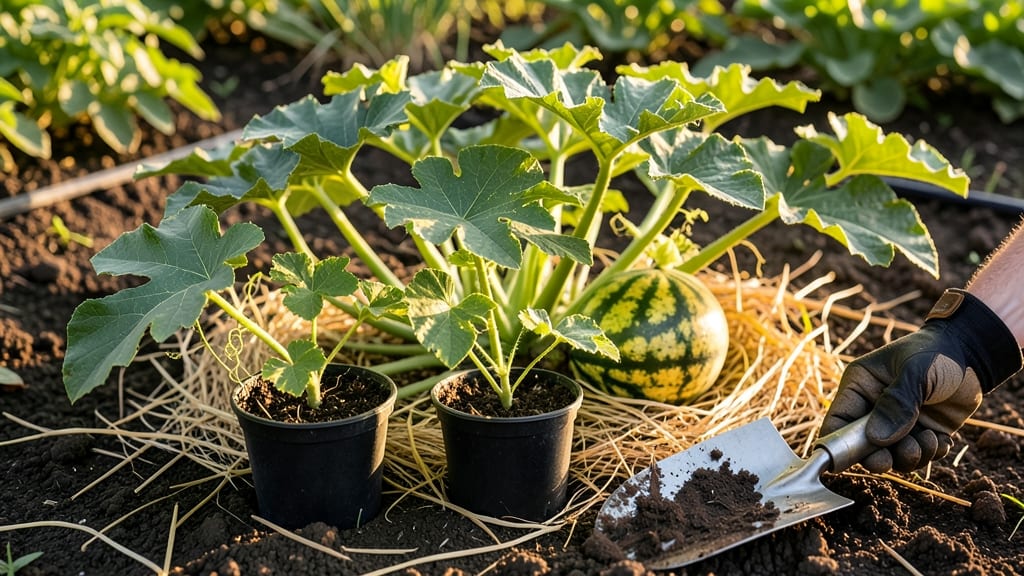
The best time to plant watermelon in Florida isn’t just about the calendar—it’s about beating the heat before it beats your plants.
With soil temperatures already climbing in spring, waiting too long means struggling with stunted vines or bitter fruit, while planting too early risks frost-sensitive seedlings (even though Florida’s frost-free zones make timing slightly less dramatic).
I’ve grown 🍉 watermelons in Florida’s 9a-11 zones for years, and the critical window is narrow: mid-March to early June for spring plantings or late July to early September for fall.
Miss these dates, and you’ll face wilting vines, cracked melons, or worse—total crop failure. But get it right, and you’ll harvest sweet, juicy fruit by summer’s end.
What makes Florida’s climate tricky? Humidity, pests, and the relentless sun can turn watermelon gardening into a high-stakes game. The key isn’t just when you plant—it’s choosing heat-resistant varieties and preparing your soil to handle the subtropical heat.
I’ll walk you through the exact steps to succeed, from soil prep to post-planting care.
Ready to grow watermelons that thrive in Florida’s heat? Let’s dive into the perfect planting schedule, the top varieties that won’t wilt in the sun, and how to avoid the most common mistakes that kill Florida watermelon crops. Your first juicy slice is closer than you think!
Florida watermelon planting calendar: exact start dates by region
Florida’s frost-free climate means you can grow watermelons year-round—but timing matters more than ever. The key is planting before the brutal summer heat sets in (after mid-June) or during the fall transition when temperatures dip slightly.
In North Florida (Zone 8b-9a), cooler nights extend your window, while South Florida (Zone 10a-11) offers longer growing seasons. Below, I’ve broken down the exact planting windows for each region, including soil temperature thresholds and harvest timelines.
Most Florida gardeners focus on two planting seasons: spring (for summer harvests) and fall (for late-season fruit). Spring plantings start in March, while fall plantings begin in late July or August. The goal? Beat the 90°F+ heat waves that stunt growth and reduce sweetness.
For example, a May planting in North Florida will yield ripe melons by July-August, while a September planting in South Florida may harvest as late as November.
Here’s your region-specific planting calendar, including soil temperature requirements and critical deadlines:
| Region | Planting Window | Soil Temp | Harvest Time | Key Notes |
|---|---|---|---|---|
| North Florida (Zone 8b-9a) | Mid-March to early May | 70°F+ (21°C+) | June–August | Cooler nights = longer vines. Use black plastic mulch to warm soil faster. |
| Central Florida (Zone 9a-9b) | Late February to early June | 70°F+ (21°C+) | May–September | Humidity spikes in summer—choose disease-resistant varieties like ‘Crimson Sweet.’ |
| South Florida (Zone 10a-11) | January–March or August–September | 75°F+ (24°C+) | March–May or September–November | Year-round growth possible, but avoid peak summer (June–July) for best flavor. |
| Fall Planting (All Regions) | Late July–early September | 70°F+ (21°C+) | September–November | Avoid planting after August 15 in North FL—melons won’t ripen before frost risk. |
Pro tip: Use a soil thermometer to confirm temperatures. Watermelon seeds won’t germinate below 70°F (21°C), and growth slows dramatically above 95°F (35°C). In South Florida, I’ve had success with shade cloth (30%) during the hottest afternoons to protect young seedlings from scorching.
For direct sowing (planting seeds outdoors), aim for 2–3 weeks before your region’s last frost date—though Florida’s frost risk is minimal, even in North Florida, a late December freeze can damage vines.
If you’re starting seeds indoors, begin 4–6 weeks before transplanting to give seedlings a head start. Use biodegradable pots to avoid root disturbance when moving them outdoors.
One common mistake? Planting too early in North Florida and risking cold snaps in February or March. Wait until mid-March to ensure soil stays warm enough.
Conversely, in South Florida, planting in June–July often leads to bitter, underripe melons due to extreme heat. Stick to the fall window for sweeter results.
Next, I’ll cover the top 5 heat-resistant watermelon varieties that thrive in Florida’s climate—including which ones handle our humidity best and which to avoid. These picks can mean the difference between a juicy, vine-ripened harvest and a disappointing, seedy mess.
Top 5 heat-resistant watermelon varieties for Florida gardens
Florida’s humid heat and intense sun demand watermelon varieties that won’t wilt or turn bitter. The right heat-resistant types thrive in 90°F+ temperatures while delivering sweet, juicy fruit. I’ve tested these top 5 varieties in Florida’s climate—here’s what works best for your garden.
First, ‘Sugar Baby’ stands out as the best for small spaces. This compact variety matures in 65-70 days, producing 4-6 lb melons with crisp, sweet flesh. It’s perfect for containers or raised beds and handles Florida’s summer humidity better than most.
The vines stay shorter (3-5 ft), making it ideal for urban gardens or balconies.
Next, ‘Crimson Sweet’ is a classic heat-lover with 75-85 day maturity. These 10-15 lb melons have deep red flesh and thick rinds, resisting cracking in Florida’s sudden rain showers. They’re disease-resistant, which is crucial for avoiding powdery mildew—a common issue in Florida’s wet summers.
For large-scale harvests, ‘Charleston Gray’ is unbeatable. This stripeless variety matures in 80-90 days and produces 15-20 lb melons with smooth, gray rinds. It’s tolerant of high temps and poor soil, making it a low-maintenance choice for Florida’s sandy soils.
Just beware—its long vines (15+ ft) need ample space or a trellis.
🌱 Heat & Humidity Ratings
If you want early harvests, ‘Congo’ is a game-changer. This small, oblong melon matures in just 60-65 days and thrives in Florida’s short spring. The 3-5 lb fruits are deep red and ultra-sweet, perfect for quick turnover before summer’s peak heat.
It’s also resistant to fusarium wilt, a common Florida soil pathogen.
Finally, ‘Black Diamond’ is the dark horse for late-season success. These dark green, striped melons mature in 85-90 days and love the heat, producing 12-15 lb fruits even in September plantings.
The thick rinds prevent cracking, and the sweet, red flesh rivals any variety. It’s my go-to for fall plantings in South Florida.
Pro tip: Start seeds indoors 3-4 weeks before your region’s last frost date (or mid-March for most of Florida). Use black plastic mulch to warm the soil faster and reduce weeds—a lifesaver in Florida’s intense sun. 🌱