
Plants
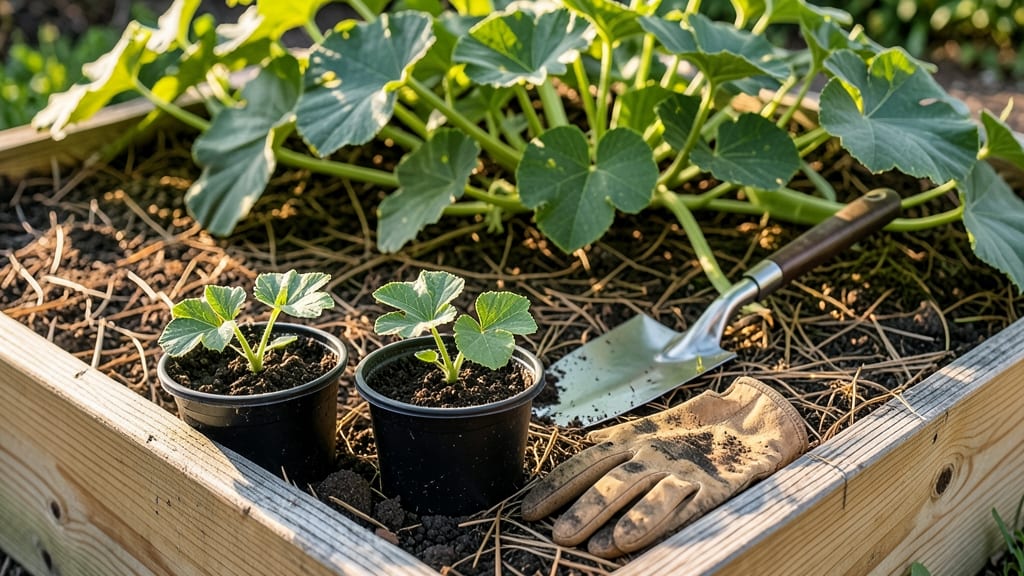
Planting watermelon in Georgia at the wrong time can turn your summer harvest into a soggy disappointment—but get the timing right, and you’ll be feasting on homegrown 🍉 sweetness by July. The key lies in waiting for that perfect balance between warm soil and fading frost risks, especially when you’re juggling Georgia’s diverse zones from the Piedmont’s cooler hills to the Deep South’s steamy lowlands.
Most gardeners in 7b-8b zones should hold off until mid-April to early May, once soil temperatures hit a steady 70°F and all danger of frost has vanished. That’s when those sprawling vines finally get the jumpstart they need, whether you’re direct-seeding in rich loam or transplanting sturdy starts.
Here’s the game-changer: coastal areas like Savannah can plant a week earlier than Atlanta’s foothills, thanks to milder microclimates. We’ll break down exactly how to adjust your schedule by county—so you avoid the 3 most common mistakes that leave Georgia gardeners scratching their heads by August.
Ready to turn your backyard into a watermelon powerhouse? Let’s dive into the precise planting windows, soil prep secrets, and care tips that’ll have your vines thriving—no matter where you are in the Peach State.
Georgia’s frost-free planting windows by county heat zones (2024 guide)
Georgia’s diverse climate—from the cool Piedmont hills to the humid coastal plains—means watermelon planting dates vary dramatically. In Zone 7b (North Georgia), your last frost typically hits around March 15-30, while Zone 8b (South Georgia) sees frost-free conditions by February 15-March 1.
Timing your watermelon seeds after these dates is critical, but soil temperature matters more than air temperature.
Watermelons need soil temperatures above 70°F to germinate properly. In Atlanta (Zone 7b-8a), this usually aligns with mid-April to early May, while Savannah (Zone 8b) can start as early as late February to March.
Transplants can handle slightly cooler soil, but direct-sown seeds will rot if planted too soon.
| County/Zone | Last Frost Date | Optimal Planting Window | Soil Temp Threshold | Notes |
|---|---|---|---|---|
| Fulton (Atlanta) - Zone 7b-8a | March 15-30 | Mid-April to early May | 70°F+ | Use row covers for early starts |
| Chatham (Savannah) - Zone 8b | February 15-March 1 | Late February to March | 65°F+ (earlier possible) | Humidity increases fungal risks |
| Bibb (Macon) - Zone 8a | March 1-15 | Early April | 70°F+ | Black soil retains heat well |
| Dade (Northwest GA) - Zone 7a | April 1-15 | Late April to May | 75°F+ (cooler nights) | Short growing season |
| Camden (Coastal) - Zone 8b | February 20-March 5 | March (earliest) | 68°F+ | Salty air affects vines |
For direct sowing, plant seeds ½ inch deep after your county’s frost-free date. If you’re transplanting seedlings, get them started indoors 4-6 weeks before the last frost date.
Georgia’s microclimates mean even neighboring counties can have 2-week differences in planting windows—check your local USDA Plant Hardiness Zone Map for precision.
In North Georgia (Zones 7a-7b), opt for fast-maturing varieties like ‘Sugar Baby’ (65-70 days) to beat the first fall frosts in November. Meanwhile, South Georgia growers can push the season with late summer plantings (June) for fall harvests, though yields may be smaller.
Always monitor soil temperature with a thermometer—it’s the most reliable planting cue.
Pro tip: Black plastic mulch warms soil faster and can extend your planting window by 1-2 weeks in cooler zones. Lay it down 1-2 weeks before planting to maximize heat retention. Pair this with drip irrigation to maintain consistent moisture without wetting the foliage (critical in Georgia’s humid summers).
If you’re in Zone 8b+, you can experiment with winter watermelons—plant in late summer (August-September) for a holiday harvest. These melons thrive in the warm soil but need extra protection from pests like cucumber beetles. Always choose disease-resistant varieties like ‘Charleston Gray’ for humid climates.
Remember: <
How to extend your watermelon growing season in Georgia’s variable climate
Georgia’s unpredictable weather—from late spring frosts in the mountains to sudden summer downpours—can throw off even the most experienced watermelon growers. The key to a bumper crop lies in strategic season extension, whether you’re in Zone 7b’s cooler uplands or Zone 8b’s humid lowlands.
With the right techniques, you can push your harvest window by 2-4 weeks, ensuring sweet melons even if Mother Nature throws a curveball.
Start with row covers or floating row tunnels to protect young seedlings from unexpected cold snaps after your mid-April planting. These lightweight fabrics trap heat while allowing sunlight to penetrate, giving your vines a 10-14 day head start before removing them once soil warms to 70°F+.
For coastal areas like Savannah, this means you can plant 7-10 days earlier than Atlanta’s Piedmont region.
Next, focus on mulching to regulate soil temperature and retain moisture. Black plastic mulch is a game-changer in Georgia’s heat—it warms the soil faster in spring and keeps roots cool during summer’s 90°F+ days.
Spread it 2-3 weeks before planting to let it heat up, then create small holes for seeds. This method also suppresses weeds, giving your vines 30% less competition for nutrients.
- Choose fast-maturing varieties: ‘Sugar Baby’ (65 days) or ‘Crimson Sweet’ (80 days) thrive in Georgia’s short season compared to slower ‘Charleston Gray’ (90+ days).
- Use drip irrigation to avoid fungal diseases from overhead watering during Savannah’s humid summers.
- Test soil pH (aim for 6.0-6.8); Georgia’s clay soils often need lime or sulfur adjustments.
- Prune male flowers after fruiting to redirect energy to remaining melons—critical in Zone 8a’s shorter season.
- Watch for cucumber beetles; apply neem oil at first sign to protect young plants.
For gardeners in North Georgia (Zone 7b), where frosts can linger until early May, consider container growing on patios or decks. Five-gallon buckets with dwarf varieties like ‘Tiny Tim’ (spreading 3-4 feet) can be moved indoors overnight if a 32°F frost warning appears.
Just ensure containers have drainage holes and use lightweight potting mix to prevent root rot.
Don’t overlook succession planting for a continuous harvest. In Zone 8b’s longer season, sow a second batch of seeds in early June for a late-summer crop.
Choose heat-tolerant varieties like ‘Black Diamond’ that handle Georgia’s 95°F+ afternoons without bolting. Space these later plantings 10-12 feet apart to avoid overcrowding and disease spread.
Finally, keep an eye on the National Weather Service’s 7-day forecast and adjust your watering schedule. During Georgia’s dog days of summer, watermelons need 1-2 inches of water weekly—but reduce to every 5-7 days as harvest nears to concentrate sugars.
A simple soil moisture meter ($15 at garden centers) saves time and prevents overwatering, which leads to blossom-end rot.