
Vegetables
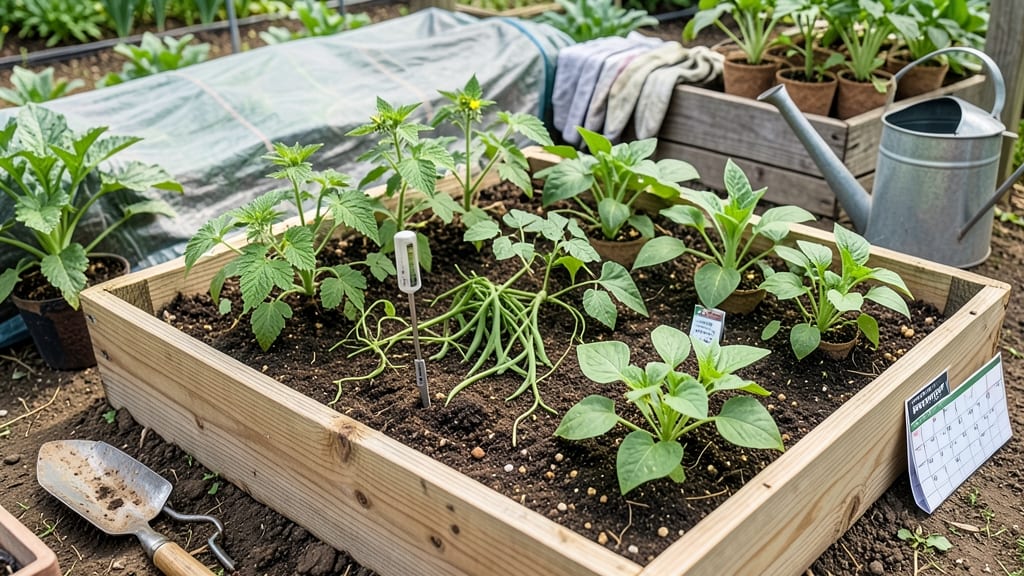
If you've ever wondered when is the best time to plant vegetables in Texas to avoid wilting under the heat or freezing overnight, you know timing is everything—and getting it wrong means wasted effort.
The Lone Star State's extreme climate demands precision: plant too early, and frost zaps your seedlings; too late, and summer's scorching sun turns your garden into a crispy wasteland.
I've spent years perfecting the science behind Texas planting, and the best window isn't just about months—it's about heat zones, frost dates, and crop resilience.
Whether you're in North Texas where winters linger or South Texas where summers never quit, I'll show you exactly when to start seeds and transplant your favorites for maximum success.
Cool-season crops like lettuce and broccoli need their spring window locked down, while tomatoes and peppers thrive when soil warms up—so let's map out your region's perfect timing. You'll discover how to stretch your growing season with smart hacks that beat Texas's worst weather.
Ready to turn your garden dreams into reality? Let's dive into the game-changer planting schedule that actually works for Texas soils and skies.
Texas planting zones by month: when to start seeds and transplants
Texas's diverse climate—from North Texas freezes to South Texas heat—means planting windows vary dramatically by region. The USDA zones 8a-10b in Texas create distinct timing for cool-season and warm-season crops.
For example, North Texas (8a) may see last frosts in March-April, while South Texas (10a) stays frost-free year-round. Understanding these zones helps you avoid late-spring freezes or summer wilting.
Cool-season crops like lettuce and broccoli thrive in fall and early spring when temperatures hover between 50°F and 75°F. Warm-season crops such as tomatoes and peppers need soil temperatures above 60°F—waiting until April-May in most zones ensures success.
My first rule: Always check your local average last frost date (find yours via the Texas A&M AgriLife Extension maps).
Here’s the critical timeline: North Texas gardeners can start cool-season seeds indoors in January for early spring planting, while South Texas gardeners might plant warm-season crops like okra as early as February. The key is aligning your planting with soil warmth, not just air temperature. Use a soil thermometer—ideal temps for warm-season crops are 70°F+.
Avoid the April 15th trap: Many gardeners rush to plant after Easter, but late frosts can still hit North Texas. Wait until after your average last frost date, even if your neighbor swears their tomatoes survived an earlier planting.
In Zone 9a (Central Texas), for instance, May 1st is a safer bet for tomatoes than April 15th.
| USDA Zone | Last Frost Date | Cool-Season Planting Window | Warm-Season Planting Window | Key Tip |
|---|---|---|---|---|
| 8a (North TX) | March 15 - April 15 | Sept 1 - Oct 15 (fall) / Feb 15 - March 30 (spring) | April 30 - May 15 | Use row covers for late frosts |
| 9a (Central TX) | Feb 15 - March 15 | Sept 15 - Nov 1 / Jan 15 - Feb 28 | March 15 - April 15 | Start warm crops indoors Feb 1 |
| 10a (South TX) | None (rare light frosts) | Year-round (choose heat-tolerant varieties) | Feb 1 - March 31 | Plant year-round with shade cloth |
For transplants, timing shifts slightly. Buy seedlings from local nurseries (like Heirloom Gardens in Austin) after your last frost date—these are hardened for Texas heat. In Zone 8a, wait until May 1st for tomatoes; in Zone 10a, you can plant year-round with proper irrigation.
My pro tip: Harden off seedlings for 7-10 days before transplanting to avoid shock.
Succession planting is your secret weapon in Texas. Instead of planting all your lettuce seeds at once, sow every 2 weeks from September to November (or February to April) to ensure a steady harvest.
This works for bush beans, carrots, and radishes too. In South Texas, you can even grow winter greens like kale in summer with shade cloth.
Don’t overlook microclimates. A north-facing wall might stay 10°F cooler than your open garden bed, extending your cool-season growing window. Use this to your advantage: Plant heat-sensitive crops like spinach near shaded structures in summer. Conversely, south-facing beds can handle peppers and eggplants earlier in spring.
If you’re new to Texas gardening, start with 3 easy crops: okra (heat-loving), collard greens (cold-hardy), and sweet potatoes (drought-tolerant). These give you year-round harvests with minimal fuss. For advanced gardeners, experiment with unusual Texas crops like malabar spinach
Best vegetables to plant in Texas by season: heat-tolerant vs. cool-weather crops
Texas gardeners know that not all vegetables thrive in the same season. The key to success lies in matching heat-tolerant crops with summer's intensity and cool-season vegetables with milder temperatures.
In North Texas, where winters can linger, you'll want to prioritize spring and fall plantings, while South Texas gardeners focus on summer crops that won't bolt in the heat.
Cool-season vegetables like broccoli, lettuce, and spinach crave temperatures between 50°F and 70°F. These plants bolt—or go to seed—when temperatures rise above 75°F, making early spring (March-April) and fall (September-October) your best bets.
Meanwhile, warm-season crops such as tomatoes, peppers, and okra need soil temperatures above 60°F to thrive, so they belong in late spring (May-June) and summer.
Here’s how to match your Texas vegetable garden to the seasons for maximum yield:
🌱 Seasonal Planting Guide for Texas
For fall harvests, focus on September plantings of cool-season crops. In South Texas, where winters are mild, you can even grow leafy greens year-round with proper shade and irrigation.
Meanwhile, North Texas gardeners should plan for early spring sowings of frost-tolerant crops like kale and cabbage, which can handle light freezes.
Don’t overlook succession planting—this technique lets you space out plantings every 2-3 weeks to ensure a continuous harvest. For example, lettuce and radishes mature quickly, so you can plant new batches every few weeks to keep your kitchen stocked all season.
If you’re new to Texas gardening, start with heat-resistant varieties like 'Heatmaster' tomatoes or 'Black Beauty' eggplant. These varieties are bred to handle Texas’s intense sun and heat while still producing flavorful yields. Pair them with mulch to retain soil moisture and drip irrigation to avoid water waste.
By aligning your plantings with Texas’s natural rhythms, you’ll transform your garden into a year-round harvest machine—no more wasted seeds or bolted greens. Ready to pick your perfect plants? Let’s dig into the seasonal specifics that’ll make your Texas garden thrive! 🌱