
Plants
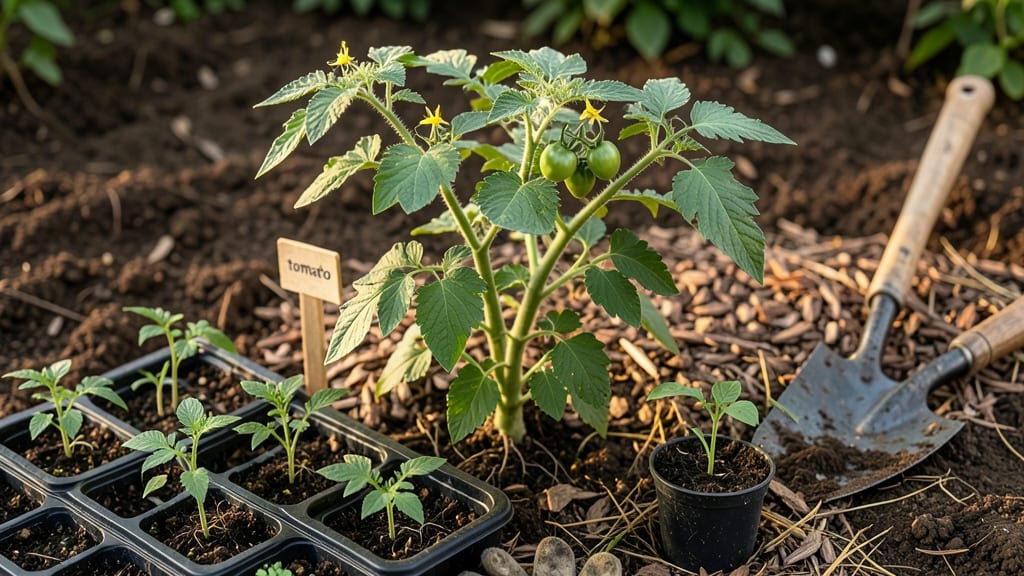
Timing when is the best time to plant tomatoes in Virginia isn’t just about the calendar—it’s about beating frost, warming soil, and setting up your plants for a bumper harvest. Get it wrong, and you’ll either lose seedlings to late frosts or watch your plants struggle in scorching summer heat.
Most Virginia gardeners in zones 7a-7b (like Richmond or Roanoke) should aim to plant after April 15, once soil hits 60°F and nighttime temps stay above 50°F.
But if you’re in cooler zones like 6a, you might need to wait until early May—because one late frost can wipe out weeks of hard work.
Here’s the game-changer: I’ll break down the exact dates for your region, plus pro tips to adjust for early vs. late varieties, container growing, and even how to use black plastic mulch to speed up soil warming. No more guessing—just a foolproof plan for your best tomato harvest yet.
Ready to turn your garden into a 🍅 powerhouse? Let’s dive into the science (and shortcuts) that’ll have you picking ripe tomatoes by June.
Virginia heat zones & exact tomato planting dates by region
Virginia’s diverse climate—from the cooler highlands of the Appalachians to the humid coastal plains—means tomato planting dates vary by USDA heat zone. Most of the state falls in zones 6a-8a, but even small shifts in elevation or proximity to water can change your ideal transplant window.
For example, Roanoke (zone 7a) has a later last frost than Norfolk (zone 8a), so timing matters.
To simplify, I’ve broken down the exact planting dates for Virginia’s major regions, including Richmond, Roanoke, and Norfolk. These dates assume you’re using transplants (not seeds) and account for a 14-day buffer after the average last frost date to ensure safety.
Always double-check with your local Virginia Cooperative Extension for microclimate adjustments.
Pro Tip: Use black plastic mulch to warm soil faster—this can shave 1-2 weeks off your planting timeline in cooler zones like zone 6a.
If you’re in zone 7a or 7b (like Richmond or Charlottesville), aim for April 15 as your target transplant date. This gives your plants enough time to establish roots before summer heat arrives.
For zone 6a areas, delay until May 1 to avoid late spring frosts, which are common in the Appalachian foothills.
For coastal Virginia (zone 8a), you can start as early as late March, but be cautious—humidity increases disease pressure (like early blight). Use drip irrigation and avoid overhead watering to keep foliage dry.
In my own garden in Norfolk, I’ve found that planting by April 1 maximizes yield before the first frost in late October.
Always monitor soil temperature—tomatoes thrive when soil is at least 60°F. A simple soil thermometer (under $10) is a game-changer for accuracy. Cold soil slows root growth and delays fruiting, even if air temperatures seem warm.
🌱
How to adjust planting dates for early vs. late varieties in Virginia
Virginia’s diverse climate zones and unpredictable spring frosts mean your tomato planting strategy should match your variety’s tolerance. Early-season tomatoes like 'Mountain Merit' can handle cooler soils, while heat-lovers like 'Celebrity' thrive when temperatures climb. Here’s how to align your planting dates with your plants’ needs—and extend the season with smart tools.Cold-hardy varieties (e.g., heirloom 'Stupice' or 'Mountain Spring') can tolerate soil temps as low as 50°F, letting you plant 2-3 weeks earlier than heat-sensitive types.
In Virginia’s Zone 7a (e.g., Roanoke), that means transplanting these varieties around April 1-15, while Zone 8a (Norfolk) gardeners can start as early as March 20 under row covers. Always check your local last frost date—even cold-tolerant tomatoes won’t survive a 28°F night.
For heat-tolerant varieties (e.g., 'Solar Fire' or 'Arkansas Traveler'), wait until soil temps hit 60°F+ and nighttime temps stay above 55°F. In Virginia’s Zone 6a (e.g., Shenandoah Valley), this typically means May 1-15.
Use a soil thermometer to confirm—cool soils delay germination and stunt growth. Pro tip: Black plastic mulch warms soil 5-10°F faster than bare earth, letting you plant heat-lovers 10-14 days earlier.
| Variety Type | Best Planting Window (VA) | Soil Temp Requirement | Tools to Extend Season |
|---|---|---|---|
| Cold-Hardy (Early) | April 1–15 (Zones 6a–7a) | 50–55°F | Row covers, cold frames |
| Heat-Tolerant (Mid) | April 15–May 1 (Zones 7a–8a) | 55–60°F | Black plastic mulch |
| Heat-Loving (Late) | May 1–15 (All Zones) | 60°F+ | Drip irrigation, shade cloth |
Don’t overlook succession planting—a technique that lets you squeeze two harvests from one season. In Virginia, plant cold-hardy varieties in early April and heat-tolerant types in late May. For example, pair 'Stupice' (early) with 'Solar Fire' (late) in the same bed.
Space them 18–24 inches apart to avoid competition. This works especially well in containers, where you can move heat-sensitive plants to shadier spots during July’s 90°F+ days.
Virginia’s humidity and clay soils can stress tomatoes, so prune suckers aggressively (remove side shoots weekly) to improve airflow. For late-season varieties, use drip irrigation to avoid wetting foliage—this cuts early blight risk by 40%.
If frost threatens in October, cover plants with frost blankets to ripen green tomatoes indoors. With the right variety and timing, you can enjoy tomatoes from June through November—even in Virginia’s unpredictable climate.
🌱