
Plants
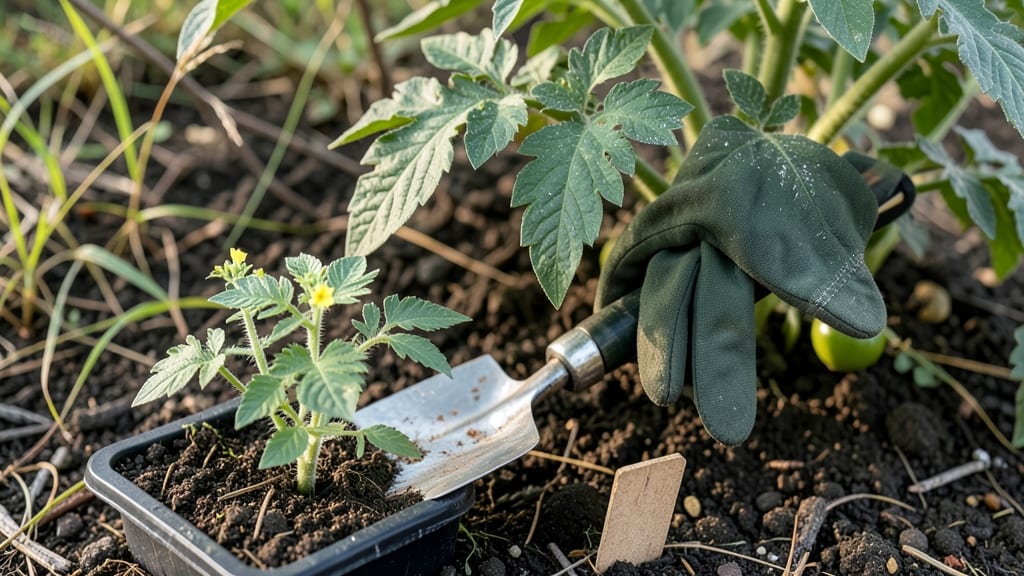
Knowing when is the best time to plant tomatoes in Missouri could mean the difference between a backyard full of ripe 🍅 and a sad, frost-nipped disappointment. Missouri’s unpredictable spring weather makes timing everything—too early, and a late frost will turn your seedlings into confetti.
For gardeners in zones 5b-6b, the sweet spot lands between mid-April and early May, once the soil warms to 60°F and the last frost has passed. But here’s the catch: Missouri’s climate varies wildly from St. Louis to rural farmland, so blindly following a calendar won’t cut it.
I’ll break down the exact windows you need, whether you’re starting seeds indoors or transplanting seedlings, plus how to adjust for cool springs or hot flashes. No more guessing—just juicy, homegrown tomatoes from July to October.
Ready to master the Missouri tomato timeline? Let’s dive into the soil temperature secrets and frost-free strategies that’ll have your plants thriving—no matter where you are in the state.
Missouri last frost dates & ideal planting windows by region (Zone 5-6)
Missouri’s Zone 5-6 climate creates a tight window for planting tomatoes—typically just 2-3 weeks after the last frost.
The Show-Me State spans microclimates, so your exact planting date depends on whether you’re in St. Louis (Zone 6a), Kansas City (Zone 6b), or rural areas like Columbia (Zone 5b). Even a 5-day delay can mean the difference between a thriving vine and a frost-nipped failure.
Most Missouri gardeners aim to plant after April 15 but before May 15, aligning with the state’s average last frost dates. However, urban heat islands (like St. Louis) may warm up faster, while northern counties near the Iowa border often face later frosts.
Always check your local USDA Plant Hardiness Zone Map and historical frost data for precision.
For seedlings, you can start indoors 6-8 weeks before your target outdoor date—typically by mid-March—to give them a head start. But direct-sowing seeds should wait until soil temperatures hit 60°F+, usually late April to early May. This timing ensures strong root establishment before summer heat arrives.
Here’s how Missouri’s regions break down for tomato planting:
| Region | Avg. Last Frost | Ideal Planting Window | Notes |
|---|---|---|---|
| St. Louis (Zone 6a) | April 10-15 | April 25 - May 10 | Urban heat speeds soil warming; use row covers for early starts. |
| Kansas City (Zone 6b) | April 5-10 | April 20 - May 5 | Moderate climate; black plastic mulch warms soil faster. |
| Columbia (Zone 5b) | April 15-20 | May 1 - May 15 | Cooler springs; opt for early varieties like ‘Celebrity’. |
| Northern MO (Zone 5b) | April 20-25 | May 5 - May 20 | Late frosts common; delay planting until soil reaches 60°F. |
Missouri’s humid summers mean tomatoes planted too late may struggle with blight or poor pollination. Aim for a 70-80 day variety if planting in late May, like ‘Early Girl’ or ‘Better Boy,’ to ensure harvests before the first frost in mid-October.
For heirloom varieties (e.g., ‘Brandywine’), start seeds indoors by March 1 and transplant by April 30.
Pro tip: Use a frost watch from the National Weather Service or local Missouri Botanical Garden alerts to fine-tune your timing. Even a 32°F night can kill young seedlings, so have row covers or a greenhouse ready for emergencies.
Remember, soil temperature matters more than air temperature. A 50°F soil can stunt seed germination, while 60°F+ is ideal for transplants. Test your soil with a digital thermometer (insert 2-3 inches deep) before planting—this is your true green light for success.
🌱
Soil temperature requirements for tomato planting in Missouri (with actionable checks)
Soil temperature is the secret weapon for Missouri tomato success. Tomatoes won’t thrive in cold soil—seeds need 50°F+ to germinate, while transplants require 60°F+ to avoid stunted growth.
In Missouri’s Zone 5-6 climate, this often means waiting until late April or early May, but cool springs can push that window into June.
Use a soil thermometer (just $10 at garden centers) to check depth. Stick it 2-3 inches deep—this is where roots will first establish. If your soil reads below 55°F, your tomatoes will struggle to absorb nutrients, leading to yellowing leaves and poor fruit set.
I’ve seen this happen in Missouri’s northern regions like St. Joseph, where May mornings can still dip into the 40s.
Here’s how to test and prepare your soil for planting:
Planting tomatoes in cooler-than-60°F soil causes root rot and fungal diseases. Symptoms include blackened stems and wilting despite watering. Missouri’s Zone 6 pockets (like Columbia) are especially risky—wait for consistent 60°F+ daytime temps for 3-5 days before planting.
If your soil is still too cool, try these Missouri-proven tricks:
- Black plastic mulch: Lays on soil 2-3 weeks before planting to absorb sunlight and raise temps by 5-10°F. I use 3-mil plastic in my St. Louis garden—it also suppresses weeds!
- Row covers: Lightweight fabric lets sunlight through while trapping heat. Remove during the day if temps exceed 80°F to prevent overheating.
- Warmth blankets: Cardboard boxes filled with straw or old blankets draped over seed beds add 3-5°F of extra warmth.
For indoor seed starters, aim to transplant outdoors when soil hits 60°F. Harden off seedlings by moving them outdoors for 2-3 hours daily starting 10 days before transplanting. This gradual adjustment prevents transplant shock, a common issue in Missouri’s unpredictable April weather.
Pro tip: Morning soil checks are key. If your thermometer shows 60°F+ by 10 AM for 3 days straight, it’s time to plant.
In my Kansas City garden, this usually aligns with May 1-15, but I’ve had to delay until June in cooler years. Patience pays off—rushing leads to blight-prone plants.