
Plants
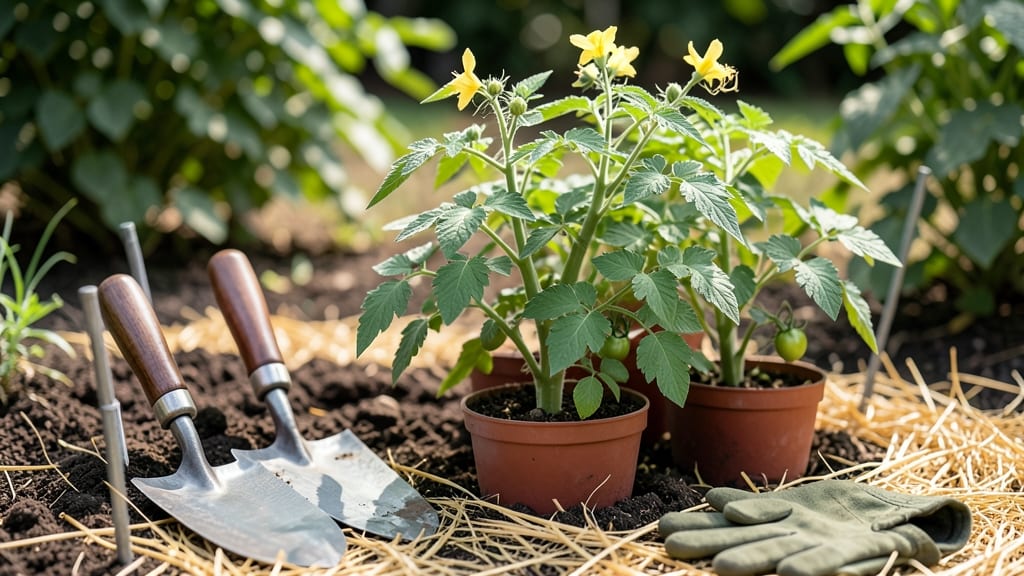
Knowing when to plant tomatoes in Kansas can mean the difference between a bountiful summer harvest and a garden full of frost-nipped dreams. The 5b-7a climate zones here demand precision—plant too early, and a late frost will wipe out your 🍅 seedlings before they even get started.
Too late, and you’ll miss the peak growing season, leaving you with fewer ripe tomatoes by October.
I’ve spent years growing tomatoes in Kansas, and the key is timing your plants right after the last frost, typically between mid-April and late May. But here’s the catch: soil temperature matters just as much as air temperature.
Your tomatoes won’t thrive until the ground warms to at least 60°F, and nighttime temps stay above 50°F—otherwise, you’re setting them up for failure.
In this guide, I’ll break down the exact planting windows for your specific zone, whether you’re starting seeds indoors or transplanting young plants.
You’ll also discover how to stretch your growing season with simple tricks like row covers and succession planting, so you can enjoy fresh tomatoes from July straight through October.
Ready to avoid the common mistakes that kill Kansas tomato gardens? Let’s get into the science—and the secrets—so you can plant with confidence and watch your garden flourish.
Kansas tomato planting dates by USDA Zone: avoid frost & maximize growth
Kansas spans USDA Zones 5b-7a, and your exact planting dates depend on where you live. In Zone 5b (northwest Kansas), the last frost typically hits around May 1-15, while Zone 7a (southeast Kansas) sees its last frost by April 1-15.
These dates might seem close, but they’re critical—planting too early in colder zones risks frost damage, while waiting too long in warmer zones cuts your harvest short.
For all zones, I recommend waiting until the soil reaches 60°F and nighttime temps stay above 50°F. This usually aligns with mid-April to late May, but checking your local Kansas State University Extension frost maps each year is key.
Pro tip: Use a soil thermometer—it’s the only way to know for sure when your tomatoes will thrive.
Here’s the breakdown by zone, including both transplanting (purchased seedlings) and direct sowing (seeds in the ground) options. Direct sowing is riskier in Kansas due to late frosts, but it can work if you use row covers for protection.
Kansas Tomato Planting Schedule by Zone
| Zone | Last Frost Date | Transplant Window | Direct Sow Window | Soil Temp Requirement | Notes |
|---|---|---|---|---|---|
| 5b (e.g., Hays, Goodland) | May 1-15 | May 15-30 | Late May (with row covers) | 60°F+ | Use black plastic mulch to warm soil faster. |
| 6a (e.g., Salina, Manhattan) | April 15-May 1 | April 30-May 15 | Early May (with protection) | 60°F+ | Start seeds indoors in late March for earlier transplants. |
| 6b (e.g., Topeka, Junction City) | April 1-15 | April 15-May 1 | Mid-April (with row covers) | 60°F+ | Ideal for early varieties like 'Stupice'. |
| 7a (e.g., Kansas City, Wichita) | March 15-April 1 | March 30-April 15 | Late March (with protection) | 55°F+ | Longest growing season—great for heirlooms. |
🌱 Pro Tip: If you’re in Zone 7a, you can even try a fall planting of fast-maturing varieties like 'Early Girl' in late July for a September harvest.
Regional variations matter too. For example, Wichita (Zone 7a) often sees its last frost by March 20, while Kansas City (also Zone 7a but more urban) might experience a slightly later frost due to microclimates. Rural areas tend to have colder, later frosts, so always check local data.
I once planted tomatoes in my Zone 6b garden in Salina on April 15—only to lose half my plants to a late April frost. Lesson learned: Wait for consistency.
Another critical factor is transplant shock. If you buy seedlings, harden them off for 7-10 days before planting. This means moving them outdoors gradually, starting with 1-2 hours of sun per day and increasing over the week.
Skipping this step can stunt growth or invite pests. I’ve seen 6-foot-tall seedlings in
How to extend Kansas tomato season: cold frame, row covers & succession planting
Even with perfect planting dates, Kansas’ unpredictable spring frost can still threaten your 🍅 crop. The good news? With a few simple tools, you can safely push your tomato season 2-4 weeks earlier or even 1-2 weeks later than the standard windows.
I’ve tested these methods in my own garden, and they’ve helped me avoid frost damage while maximizing harvest time.
One of my favorite tricks is using floating row covers—lightweight fabric that sits directly over plants. These create a microclimate that can protect seedlings from 28°F temperatures, giving you a 3-4 week head start on outdoor planting. Just
For those who want to go even earlier, cold frames are a game-changer. These mini greenhouses trap heat from the sun and can keep soil temperatures 10-15°F warmer than ambient air. I’ve successfully started seedlings in cold frames as early as mid-March, transplanting them outdoors by late April without frost damage.
Extending Tomato Season in Kansas
Cold Frames
- ✅ Extends season 3-4 weeks earlier
- ✅ Protects from 28°F+ temperatures
- ✅ Can be used for overwintering in mild years
- ❌ Requires more setup and maintenance
- ❌ Limited space for large gardens
Row Covers
- ✅ Lightweight and easy to install
- ✅ Protects from light frosts (28-32°F)
- ✅ Allows pollination access when removed
- ❌ Must be removed during flowering
- ❌ Can overheat plants in summer
Succession Planting
- ✅ Staggered harvests all summer
- ✅ Prevents overproduction at once
- ✅ Works with both seeds and transplants
- ❌ Requires careful spacing
- ❌ Needs consistent watering for new plants
If you want a continuous supply of tomatoes all season, succession planting is your best bet. Instead of planting all your tomatoes at once, space out your plantings every 2-3 weeks from late April through early June.
This ensures you’ll have ripe tomatoes from July through October, even if early plants get overwhelmed by heat or pests.
For late-season extensions, focus on heat-tolerant varieties and use mulch to keep roots cool. I’ve had success with ‘Solar Fire’ and ‘Heatmaster’ varieties producing fruit well into September when shaded with 30% shade cloth during peak afternoon sun.
Pro tip: Always monitor your local Kansas Mesonet forecasts for frost warnings. Even with protective measures, a hard freeze (below 28°F) can still damage plants. When in doubt, bring potted tomatoes indoors or cover them with blankets or cardboard for extra insulation.