
Plants
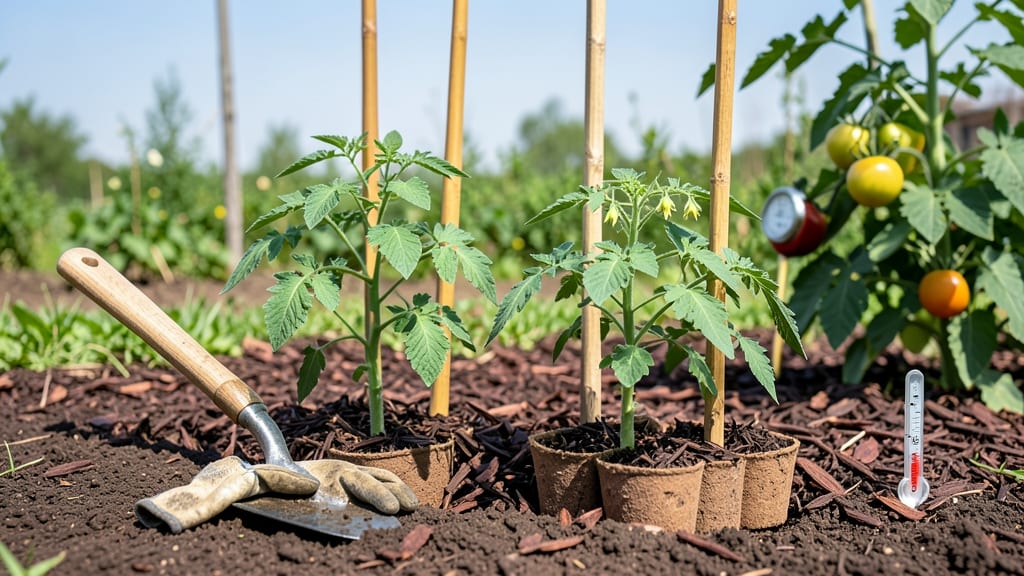
If you’ve ever wondered "when is the best time to plant tomatoes in Arkansas", the answer isn’t just about dates—it’s about soil temperature and knowing your local frost patterns.
Arkansas gardeners in zones 7a-8b have two prime windows: spring (mid-April to early June) and fall (late July to August), but timing these wrong can mean the difference between a bumper crop and wasted effort.
Here’s the secret: tomatoes need soil that’s at least 60°F to germinate, and waiting until after your last frost (usually mid-March to early April) ensures your 🍅 plants thrive. But rushing too early?
Frost can still sneak in, while planting too late might leave you with a short harvest before summer’s heat sets in. Let’s break down the exact steps to nail your planting schedule—so you can enjoy vine-ripened tomatoes from June through October (or September to November for fall plantings).
You’ll also discover how to adjust for Arkansas’s microclimates, whether you’re direct-sowing or starting seeds indoors. Plus, I’ll share pro tips like using black plastic mulch to warm soil faster or choosing cold-hardy varieties for early starts. Ready to turn your Arkansas garden into a tomato powerhouse?
This isn’t just about planting—it’s about strategizing for the longest, most productive harvest possible. Let’s get those seeds in the ground at the perfect moment.
Arkansas tomato planting calendar: soil temperature rules for peak growth
Arkansas’s USDA Zones 7a-8b create a unique window for tomato planting, where soil temperature is the #1 predictor of success.
Unlike northern states, Arkansas’s warm winters and long growing seasons (190–220 frost-free days) let you plant twice a year—but only if you respect 55°F+ soil temps for germination and 70°F+ for transplanting.
Most Arkansas gardeners focus on spring planting (mid-April to early June), but southern Arkansas (Zone 8b) can even start 2–3 weeks earlier thanks to milder winters. The key? Monitor soil—not air—temperature with a soil thermometer (available for $10 at garden centers).
Here’s the science: Tomato seeds need 55°F+ soil to germinate, but seedlings stunt below 60°F. Transplanting into 70°F+ soil ensures roots establish quickly. In northern Arkansas (Zone 7a), wait until after May 15 to avoid late frosts (avg. last frost: April 15).
Southern Arkansas (Zone 8b) can plant as early as April 1.
| Stage | Soil Temp (°F) | Arkansas Timeline | Action |
|---|---|---|---|
| Seed Germination | 55°F+ | Mid-April (S) / Late April (N) | Direct sow or start indoors |
| Transplanting | 70°F+ | Early May (S) / Mid-May (N) | Hardening off seedlings |
| Peak Growth | 75°F+ | June–July | Fertilize every 4 weeks |
| Fall Planting | 60°F+ | Late July–August | Choose heat-tolerant varieties |
Pro tip: Use black plastic mulch to raise soil temps by 5–10°F in early spring. Lay it down 2 weeks before planting to accelerate warming. For container gardeners, move pots to sunny patios or greenhouses until soil warms naturally.
Southern Arkansas gardeners (Zone 8b) can push the envelope with early March sowings under row covers, but Stupice or Siberian varieties are your best bets for cold tolerance. These frost-resistant tomatoes can handle 28°F temps briefly, giving you a 30-day head start on the season.
Heat is the bigger enemy in late summer. If planting for a fall harvest, aim for late July to early August sowings. Use shade cloth (30%) during 95°F+ days to prevent blossom drop. Varieties like ‘Heatmaster’ or ‘Solar Fire’ thrive in Arkansas’s 90°F+ August heat.
Don’t forget: Arkansas’s clay-heavy soils hold cold longer. Amend beds with compost or aged manure to improve warmth retention. A 5–10% compost mix can add 2–3°F to soil temps early in the season.
Track your local frost dates using the Arkansas Climate Office’s frost maps (free online). For northern Arkansas, May 15 is your safe transplant date; southern Arkansas can start April 15. Adjust for microclimates—south-facing slopes warm 3–5 days earlier than low-lying areas.
5 Proven strategies to extend Arkansas tomato seasons (early & late planting hacks)
Arkansas’s 190-220 frost-free days give you two prime tomato-growing seasons, but extending them means playing smart with variety selection and seasonal adjustments.
Whether you’re chasing an early spring harvest or squeezing in late-summer tomatoes, these strategies let you push your planting windows by 3-4 weeks—without risking frost or heat damage.
First, start with cold-hardy varieties like 'Stupice' or 'Siberian', which tolerate light frosts down to 28°F. These can go in the ground 2-3 weeks before your typical last frost date (mid-March to early April).
Pair them with row covers or cloches for extra protection—this combo lets you harvest cherry tomatoes as early as May in northern Arkansas.
🌱
Direct sowing vs. transplanting also matters in Arkansas. Direct-sown tomatoes handle Arkansas’s clay-heavy soil better because they develop deeper roots early, but they’re riskier if frost lingers. Transplants, on the other hand, give you a 2-week head start—ideal for late-May plantings in northern zones where summers are shorter.
Pro tip: If you’re starting seeds indoors, begin them 6-8 weeks before your last frost date. Use grow lights (not just windowsills) to avoid leggy seedlings, and harden them off for 10 days before transplanting. This ensures they’re soil-temperature-ready when you move them out.
For fall harvests, time your last planting so tomatoes mature 4-6 weeks before the first frost. In Arkansas, that’s usually late July to early August. Use drip irrigation to keep soil moist without wetting foliage (a must to avoid late-season blight).
🌿