
Plants
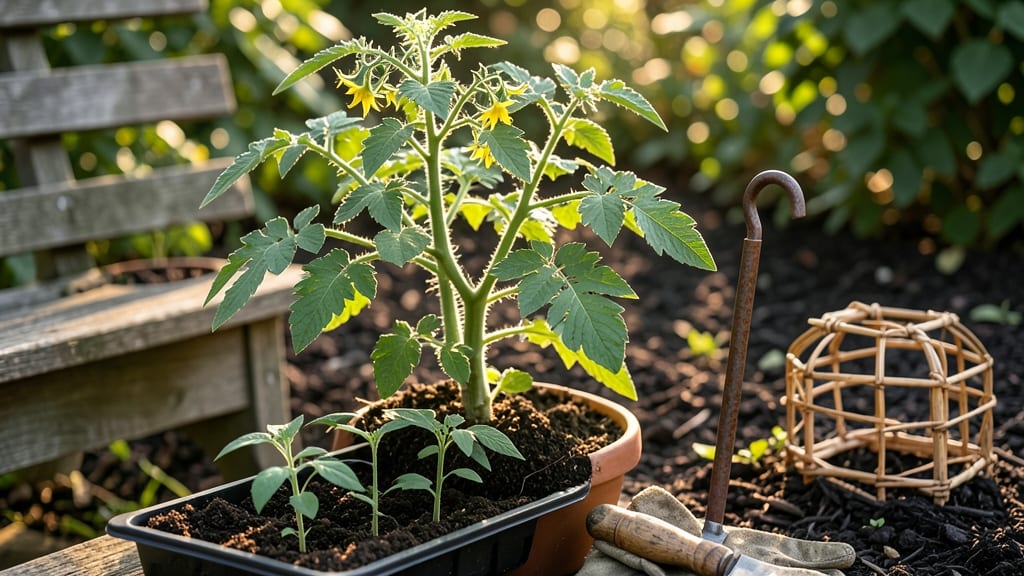
If you’ve ever wondered when to plant tomatoes in Arkansas, timing is the secret weapon between a thriving 🍅 harvest and wasted effort. Arkansas’s 7a-8b zones demand precision—plant too early, and frost zaps your seedlings; too late, and your vines struggle to ripen fruit before fall’s chill sets in.
The ideal window for Arkansas gardeners is mid-March to mid-April for transplants or late April to early May for seeds, aligning with soil temperatures of 60°F+.
But here’s the catch: early varieties like ‘Early Girl’ need a head start indoors by February, while heat-lovers like ‘Celebrity’ can wait until April—without sacrificing yield.
What sets Arkansas apart? Humidity and late-summer heat can turn a perfect start into a disaster if you’re not prepared.
I’ll show you how to adjust for your specific zone, whether you’re in the Delta’s warmer pockets or the Ozarks’ cooler microclimates, so your tomatoes thrive from June to October.
Ready to avoid the common mistakes? Let’s dive into the exact deadlines, soil tricks, and variety picks that’ll have your tomatoes beating the Arkansas heat—and your neighbors asking for recipes.
Arkansas tomato planting deadlines by hardiness Zone (7a vs. 8a)
Arkansas spans two critical tomato-growing zones: Zone 7a (northern regions like Fayetteville) and Zone 8a (southern areas like Little Rock). The difference of just 10°F between these zones means your planting window could shift by 2-3 weeks—so knowing your exact zone is non-negotiable.
For Zone 7a, the last average frost date hovers around March 15, while Zone 8a gardeners typically see frost-free conditions by March 1.
Tomatoes are frost-sensitive—even a light frost can kill seedlings. That’s why I always wait until soil temperatures hit 60°F (measured 4 inches deep) before planting. In Arkansas, this usually aligns with mid-April for Zone 7a and late March for Zone 8a. Use a soil thermometer to confirm—don’t guess!
Here’s the golden rule: Transplant seedlings 2-3 weeks after your last frost date, but no earlier than April 15 in Zone 7a or March 25 in Zone 8a.
Early varieties (like ‘Early Girl’) can handle cooler soils, while heat-lovers (like ‘Celebrity’) need warmer conditions to thrive. Adjust based on your microclimate—valleys stay colder longer than hilltops.
Direct-sowing seeds? Push those dates back by 2 weeks—seeds need consistent 70°F+ soil to germinate reliably. I’ve seen gardeners rush and end up with spotty germination or leggy seedlings from cool soils. Patience pays off with stronger plants.
| Zone | Avg. Last Frost | Ideal Transplant Window | Direct Sow Window | Soil Temp Threshold |
|---|---|---|---|---|
| 7a (North AR) | March 15 | April 15–May 1 | May 1–May 15 | 60°F+ |
| 8a (South AR) | March 1 | March 25–April 15 | April 15–April 30 | 60°F+ |
🌱 Pro Tip: Check your local Arkansas Cooperative Extension for hyper-local frost data—microclimates vary!
Don’t overlook late-summer heat—Arkansas’s 90°F+ days can stress tomatoes if they’re planted too early. Indeterminate varieties (like ‘Better Boy’) need sturdy cages and daily watering to handle the humidity.
I’ve seen plants bolt (flower prematurely) when stressed by heat, so succession planting in late May often yields a second harvest.
For container gardening, start transplants 2 weeks earlier—pots warm up faster than soil. But if you’re using black plastic mulch, you can plant 1 week earlier in Zone 7a, as it raises soil temps by 5–10°F.
Just remove mulch when temps hit 85°F to prevent root burn.
Track your progress with a planting journal—note when you transplant, first flowers appear, and harvest begins.
Over 5 years, I’ve refined my Arkansas schedule to plant early varieties (60-day) by April 1, mid-season (70-day) by April 15, and late varieties (80-day) by May 1 in Zone 7a. Adjust for your zone!
Missed the spring window? No problem—Arkansas’s long growing season (200+ frost-free days) allows for late June transplants of heat-tolerant varieties like ‘Solar Fire’. Just use shade cloth until plants acclimate and mulch heavily to retain moisture.
Remember: Tomatoes hate cold feet. Even if air temps are warm, cool soil stunts growth. Amend beds with compost in fall to improve warmth retention, and consider row covers for a 1-week head start on the season. Your future self (and your tomato plants) will thank you.
Arkansas tomato planting deadlines by hardiness Zone (7a vs. 8a)
Arkansas’s Zone 7a (north/central) and Zone 8a (southern Delta) have 10-14 days difference in frost-free windows—critical for tomato success. In Zone 7a, the last frost typically hits March 15-22, while Zone 8a enjoys a March 22-April 1 window. These dates aren’t just numbers; they’re your planting guardrails.
For transplants, aim to set them out 2-3 weeks after your last frost date—so April 5-12 for Zone 7a and April 12-19 for Zone 8a. This gives seedlings time to root deeply before summer’s heat peaks.
If you’re direct-sowing seeds, wait until soil hits 60°F+, usually late April to early May.
🚨 NON-NEGOTIABLE: Arkansas’s humidity means cold soil kills seeds. Use a soil thermometer—if it’s below 60°F, wait. I’ve seen 50% seed failure when gardeners rush into cool soil.
🌱 Arkansas Tomato Planting Timeline by Zone
| Zone | Last Frost Date | Transplant Window | Direct Sow Window | Soil Temp Threshold |
|---|---|---|---|---|
| 7a | March 15-22 | April 5-12 | Late April | 60°F+ |
| 8a | March 22-April 1 | April 12-19 | Early May | 60°F+ |
💡 Pro Tip: Use row covers to extend Zone 7a’s window by 2 weeks if frost lingers.
Microclimates matter in Arkansas. The Ozarks’ high elevations (Zone 7a) can see frost 2 weeks later than the Delta’s lowlands (Zone 8a). If you’re near rivers or lakes, expect warmer nights—ideal for late-season varieties like ‘Celebrity’.
For early varieties (e.g., ‘Stupice’), start seeds indoors by February 1—they need 80-90 days to mature. Mid-season picks (e.g., ‘Better Boy’) can wait until March 15 indoors, while heat-lovers (e.g., ‘Solar Fire’) thrive with April 15+ outdoor starts.
Don’t let Arkansas’s summer heat fool you—late August is when many gardeners panic as nights cool. But with proper planning, you can harvest until October 15 in Zone 8a. The key? Succession planting every 2 weeks after your first transplant date.