
Plants
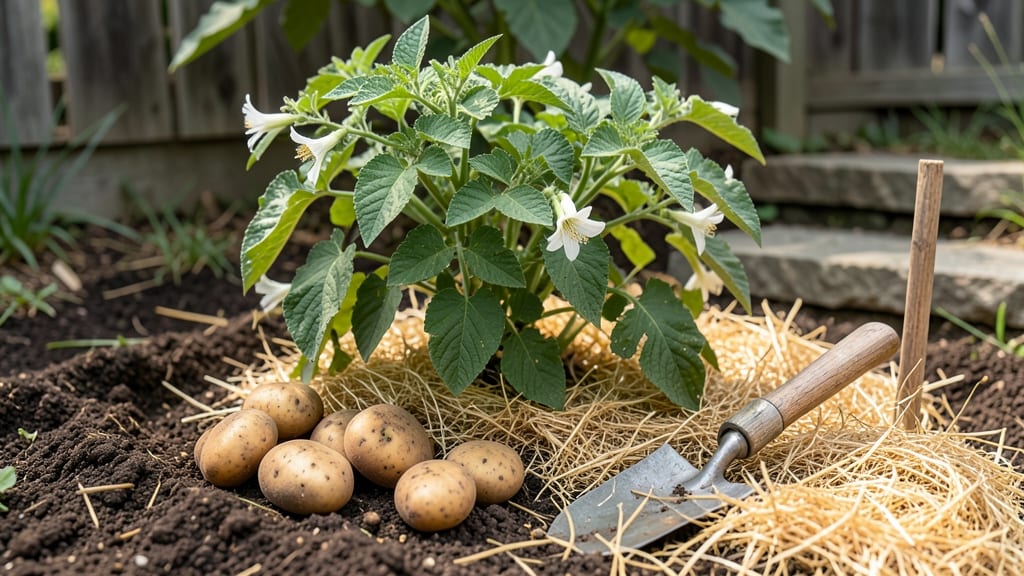
The best time to plant potatoes in Georgia isn't just about the calendar—it's about beating the heat and avoiding frost damage to get that maximum yield you're dreaming of.
With Georgia's 7a-8b climate and unpredictable spring weather, timing your 🥔 planting just right can mean the difference between a bumper crop and a disappointing harvest.
Most gardeners in Georgia swear by early spring planting—think February to March—when soil temperatures hit that sweet spot for sprouting. But did you know fall planting can also work if you choose the right varieties?
The key is understanding your local frost dates and how they impact your potato's growth cycle.
I've tested different planting windows here, and what I've learned will save you from common mistakes that waste time and resources. Whether you're a first-time gardener or a seasoned pro, these insights will help you plan for successful harvests from April through August.
Let's break down exactly when to plant, which varieties thrive in Georgia's heat, and how to prepare your soil for peak performance. Your next potato harvest could be the best one yet!
Optimal Georgia potato planting windows: spring vs fall timing explained
Georgia’s USDA zones 7a-8b offer two prime windows for planting potatoes: early spring and late winter. The key is planting 4-6 weeks before the last frost date (typically mid-March in most regions), but fall planting is also possible for late-season varieties.
Let’s break down the best timing for each season and how to adjust for your specific microclimate.
For spring planting, aim for February through early March in northern Georgia or January through February in southern regions like Savannah. This timing ensures tubers sprout before soil warms to 45°F (7°C), their ideal germination temperature.
Fall planting, meanwhile, works for late-season varieties like Red LaSoda or Yukon Gold, planted in late summer (August-September) to harvest before the first frost (mid-November).
| Planting Window | Best Months | Soil Temp Requirement | Frost Risk | Harvest Window |
|---|---|---|---|---|
| Spring Planting | February–March (North GA) January–February (South GA) |
45–55°F (7–13°C) | Low (after last frost) | April–June (early varieties) June–August (late varieties) |
| Fall Planting | August–September | 50–60°F (10–15°C) | Moderate (harvest before frost) | October–November |
Your local frost dates are critical—check the National Weather Service or your county extension office for precise timelines. For example, Athens (Zone 7b) has a last frost around March 15, while Savannah (Zone 8a) rarely sees frost after January 15.
Adjust planting dates 2–3 weeks earlier if you’re in a cooler microclimate (e.g., mountains) or 1–2 weeks later in warmer lowlands.
For fall planting, focus on short-day varieties like Kennebec or Russet, which mature faster in Georgia’s heat. Plant 8–10 weeks before the first frost to ensure tubers bulk up before cold sets in. Use black plastic mulch to retain heat and speed up growth in fall plantings.
Soil temperature is non-negotiable—use a soil thermometer to confirm it’s at least 45°F (7°C) before planting. Cold soil delays sprouting and invites rot diseases. In northern Georgia, wait until soil warms in March, while southern regions can start as early as January.
Pro tip: Chit your seed potatoes (expose them to light for 2–3 weeks before planting) to jumpstart sprouting. This is especially useful for fall plantings, where the growing season is shorter.
Place seed potatoes in a bright, cool spot (like a sunny windowsill) to encourage 1-inch sprouts before soil is ready.
If you’re in Zone 8b (e.g., Savannah or Brunswick), you can even try year-round planting with succession crops. Plant early varieties in January for a spring harvest, then late varieties in August for a fall harvest.
Just ensure 6–8 hours of sunlight daily—potatoes thrive in full sun but can tolerate partial shade in extreme heat.
One common misconception is that warmer soil = faster growth. While potatoes prefer 50–60°F (10–15°C) soil, temperatures above 85°F (29°C) stunt tuber formation. In summer plantings, provide afternoon shade with row covers or plant in raised beds to moderate soil temps.
Finally, adjust your planting schedule based on your variety’s days to maturity. Early varieties (60–90 days) like Red Norland are perfect for spring plantings, while late varieties (100–120 days) like Russian Banana work better for fall.
Always check the seed packet for specific guidelines—it’s your best friend for timing!
Mastering these windows ensures bigger yields and healthier tubers. Start with one season, track your results, and expand next year. Happy planting—your future harvest depends on it! 🥔
Optimal Georgia potato planting windows: spring vs fall timing explained
Georgia's 7a-8b climate gives us a unique advantage for growing potatoes, but getting the timing right is critical. The last frost date around March 15 marks our primary window, but fall planting can also work with the right approach.
Most gardeners focus on early spring planting (February-March) because it aligns perfectly with soil warming and avoids summer heat stress.
For spring planting, aim to get your seed potatoes in the ground 4-6 weeks before your last frost date. In Georgia, this typically means mid-February to early March.
This timing gives your potatoes enough time to establish roots before the soil warms up fully, preventing frost damage to emerging sprouts while avoiding the summer heat that can stress plants.
Don't overlook fall planting either! While less common, planting in late summer (August-September) can yield a second harvest before frost. Choose early-maturing varieties (like Red LaSoda) that can complete their growth cycle before the first frost (November 15).
The key is planting 8-10 weeks before expected frost to ensure tubers mature before cold sets in.
| Planting Window | Best Months | Soil Temp | Key Considerations |
|---|---|---|---|
| Spring Planting | February-March | 45-55°F | 4-6 weeks before last frost; avoid summer heat |
| Fall Planting | August-September | 60-70°F | 8-10 weeks before first frost; use early varieties |
Your local microclimate plays a huge role in timing. Northern Georgia (higher elevations) may experience later frosts, while southern regions can plant slightly earlier. Always check your local frost dates and adjust accordingly.
For example, if you're in Atlanta (Zone 7b), you might plant 2-3 weeks earlier than someone in Savannah (Zone 8a).
One mistake I see often is planting too early when the soil is still cold. Potatoes need consistent soil temps above 45°F to sprout properly. Use a soil thermometer to check—if it's below 45°F, wait a few more weeks.
Another tip: chit your seed potatoes (place them in light to sprout eyes) 2-3 weeks before planting to jumpstart growth.
Remember, Georgia's long growing season means you can experiment with both spring and fall plantings. Start with one method, track your results, and adjust next year. With the right timing, you could enjoy two potato harvests per year—one in spring and another in fall! 🥔