
Plants
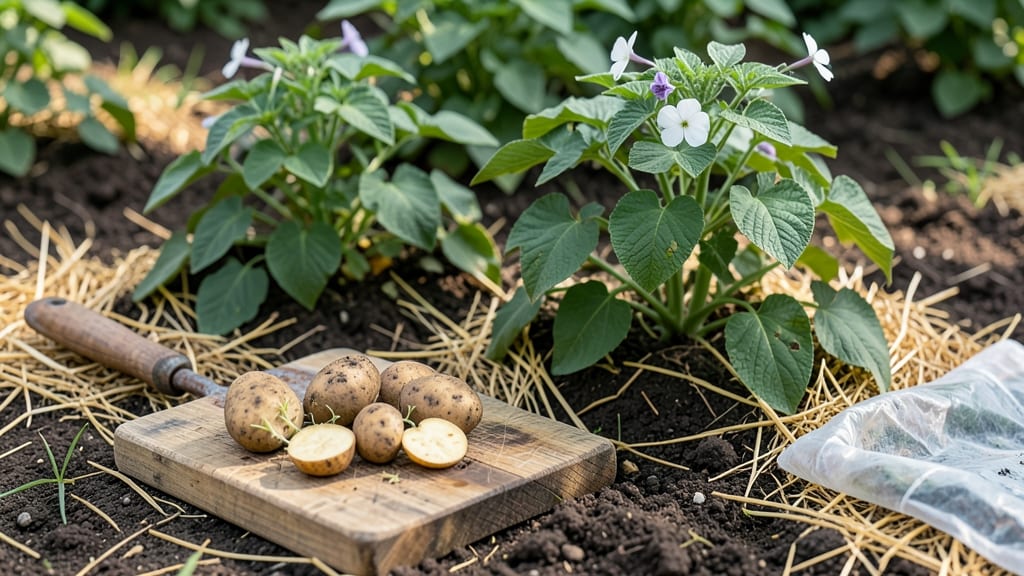
If you've ever wondered when can you plant potatoes in Georgia without risking frost or stunted growth, timing is the key to a bountiful harvest. Georgia's unique climate—spanning USDA zones 7b-8a—means your planting window isn't one-size-fits-all, and soil temperature plays a bigger role than you might think.
The ideal months for planting 🥔 in Georgia are February through April, but the real game-changer is soil temperature. Potatoes need soil that's warmed to 45–55°F for consistent germination, and cooler coastal areas may need a later start than Piedmont regions.
Get this wrong, and your crop could struggle—or worse, rot before harvest.
I'll walk you through exactly how to check your soil temperature, adjust for Georgia's microclimates, and even explore late-planting options for summer varieties. Whether you're a first-time gardener or a seasoned grower, these insights will help you avoid common pitfalls and maximize your yield.
Ready to dig in? Let's break down the best planting windows, soil prep tips, and variety recommendations tailored to your corner of Georgia—so you can enjoy homegrown spuds from April to July without the guesswork.
Georgia’s ideal potato planting window by month (soil temp guide)
Georgia’s USDA zones 7b-8a create a unique challenge for potato growers—plant too early, and cold soil stunts germination; too late, and summer heat stresses plants. The sweet spot? Soil temperatures between 45–55°F trigger consistent sprouting.
In most of Georgia, this window opens in late February to early April, but regional microclimates shift timelines by weeks.
North Georgia’s cooler Piedmont region (e.g., Atlanta) often waits until mid-March for stable soil temps, while South Georgia’s warmer coastal plains (Savannah area) can start as early as late February.
Mountain areas like Blue Ridge may need to delay until April to avoid late frosts. Always check your last frost date (typically mid-March) and plant 4–6 weeks before.
Here’s your Georgia-specific planting timeline with soil temp thresholds and regional adjustments:
🌱 Georgia Potato Planting by Month
| Month | Ideal Soil Temp (°F) | North GA (Piedmont) | Atlanta Metro | South GA (Coastal) | Best Varieties |
|---|---|---|---|---|---|
| Late February | 45–50°F | ❌ Too cold | ⚠️ Risky (wait for 50°F) | ✅ Safe (coastal warmth) | Red LaSoda, Kennebec |
| March (Early) | 50–55°F | ✅ Ideal (late March) | ✅ Best window | ✅ Safe | Yukon Gold, Russet |
| March (Late) | 55–60°F | ✅ Safe | ✅ Late window | ✅ Safe (heat-tolerant) | Sweet Potato (no), Purple Viking |
| April | 60–70°F | ⚠️ Risk of heat stress | ⚠️ Late planting | ✅ Summer varieties | Red Pontiac, Katahdin |
Pro Tip: Use black plastic mulch to warm soil 5–10°F faster in cooler zones.
For early varieties like Red LaSoda, aim for late February to March in South Georgia or mid-March in North Georgia. These 90-day potatoes thrive in cooler temps and avoid summer’s scab disease risk. Late varieties (e.g., Russet) can stretch into April but need consistent moisture to prevent cracking.
If your soil stays below 45°F past early April, consider container growing with heated seedling mats or wait for fall planting (August–September) for a second harvest. Just remember: fall potatoes mature by first frost (mid-November), so choose fast-maturing varieties like ‘Early Rose’.
One common mistake? Planting based on air temperature instead of soil temperature. A 60°F March day might hide 40°F soil—use a soil thermometer ($10 at garden centers
How to test soil temperature and prepare for potato planting
Before you even think about planting your 🥔, knowing your soil temperature is non-negotiable. Potatoes are finicky about cold soil—they need it to be between 45–55°F to germinate properly.
In Georgia’s early spring, this can mean waiting weeks longer than you expect, especially in cooler mountain regions like North Georgia.
I’ve learned the hard way that planting too early in chilly soil leads to rot or stunted growth. The solution? A simple soil thermometer (available for under $10) will become your best friend.
Stick it 4 inches deep—where you’ll plant—and check the temperature for 3–5 days to account for daily fluctuations.
Here’s my foolproof method: Plant only when the soil stays consistently above 45°F for 24 hours. In Atlanta (Zone 7b), this usually means waiting until late February or early March, while South Georgia (Zone 8a) can start as early as mid-February.
Pro tip: Dark-colored mulch or black plastic can warm the soil faster if you’re eager to plant early.