
Plants
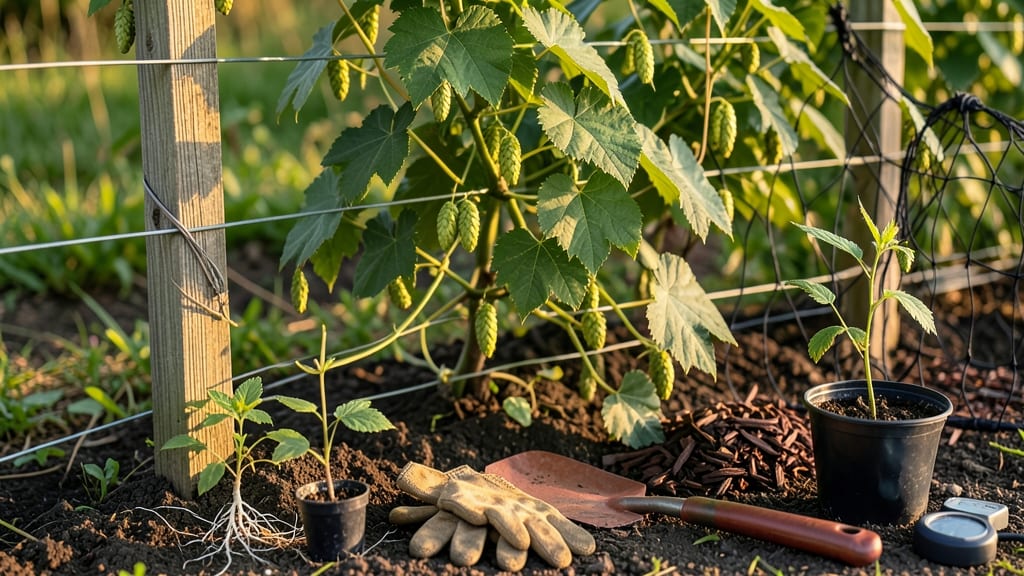
Timing your hops planting just right in Michigan could mean the difference between a thriving 🌿 hops vine and a frost-nipped failure. With Zone 5b-6b frost dates that shift yearly, knowing exactly when to plant isn't just helpful—it's essential for avoiding common mistakes that derail even the most eager gardeners.
Most gardeners in Michigan wait until late April to early June after the last frost, but that window can feel like a moving target.
The key isn't just avoiding frost—it's matching your hop variety to Michigan's 165 frost-free days, where early varieties like Cascade need cooler soil, while late bloomers like Centennial demand warmer temperatures.
What you're about to discover will save you from planting too soon (and risking frost damage) or too late (and missing the growing season).
I'll walk you through the best planting windows, soil prep tricks, and how to adjust for your specific Michigan microclimate—whether you're in Detroit or the Upper Peninsula.
Ready to grow hops that thrive? Let's dive into the exact timing, variety choices, and protection tips that work in Michigan's climate—so you can enjoy a bountiful harvest from late August through September.
Michigan’s Zone 5-6 frost dates & ideal planting windows by month
Michigan’s Zone 5-6 climate creates a tight window for planting hops—just 6-8 weeks between last frost and first frost. Missing this window risks frost damage or stunted growth, especially for varieties needing 105-120 days to mature.
Northern Michigan (Zone 5b) has a shorter window than southern Michigan (Zone 6b), so timing is everything.
According to USDA frost data, Michigan’s last spring frost typically occurs between May 10-20, while the first fall frost hits around October 10-20. This leaves just 165 frost-free days, which is why choosing fast-maturing varieties is crucial.
Planting too early risks cold soil (below 50°F), while planting too late cuts harvest potential.
Here’s how to align your planting with Michigan’s climate:
| Month | Last Frost Date (Avg.) | Ideal Planting Window | Soil Temp Requirement | Notes |
|---|---|---|---|---|
| Late April | May 10-20 | Risky (only for early starts in greenhouses) | ≥50°F | Use row covers if frost threatens |
| May | After May 20 | Best time (May 15-30) | 55-65°F | Optimal for most varieties |
| Early June | N/A | Last chance (June 1-10) | 60°F+ | Only for fast varieties (e.g., Cascade) |
| July+ | N/A | Not recommended | N/A | Plants won’t mature before frost |
For northern Michigan (e.g., Traverse City), aim for May 20-June 1 due to earlier frosts. Southern Michigan (e.g., Detroit) can push to June 10 for late varieties. Always check local frost forecasts—tools like Michigan State University’s Enviro-Weather provide real-time updates.
Hops thrive in well-draining soil with 6+ hours of sun, but Michigan’s cool springs can delay growth. Amend soil with compost and use black plastic mulch to warm roots faster. If your soil stays below 50°F past June, consider a greenhouse start for rhizomes.
Pro tip: Plant rhizomes (not seeds) in Michigan—they’re hardier and mature faster. Bury them 4-6 inches deep in trenches with 5-6 feet between plants to allow vine spread. Install a trellis or wire system immediately to support their 15-25 ft growth.
Fall planting is not recommended for hops in Michigan—they need 6-8 weeks to establish roots before winter. However, you can prep soil in fall by adding organic matter and marking planting spots for spring. This gives you a head start on soil warming and drainage.
Use Michigan-specific resources like the MSU Extension or local Master Gardener programs to adjust for your microclimate. For example, southern Michigan’s longer growing season lets you try Centennial hops, while northern growers should stick to Cascade or Fuggle.
Remember: Hops are perennial in Michigan, but they need winter protection in Zone 5. Mulch heavily with straw or leaves and consider burlap wraps for young plants. With the right timing, your hops can thrive for 10+ years!
Best hop varieties for Michigan’s short growing season & how to adjust planting time
Choosing the right hop variety for Michigan’s 165 frost-free days can make or break your harvest. Early-maturing varieties like Cascade or Fuggle thrive in cooler soil, while late bloomers like Centennial need warmer temperatures to ripen.
I’ve grown both in my Zone 5b garden, and the difference is night and day.
For northern Michigan, where frost lingers longer, opt for early-season varieties like Willamette or Mount Hood. These mature in 90-100 days, giving you a buffer before fall frosts.
In southern Michigan, you can push the envelope with late-season varieties like CTZ or Galena, which take 110-120 days but reward you with bold flavors.
🌱 Pro Tip: If you’re set on a late variety, start rhizomes indoors in late March under grow lights. Transplant after the last frost—usually mid-May—to give them a head start.
| Variety | Days to Maturity | Best Planting Window | Michigan Adaptability |
|---|---|---|---|
| Cascade | 95-105 days | Late April - Early May | Excellent (cool-tolerant) |
| Fuggle | 90-100 days | Late April - Early May | Great (early frost escape) |
| Centennial | 110-120 days | Early May (or start indoors) | Moderate (needs warm soil) |
| Willamette | 90-95 days | Late April - Early May | Best for short seasons |
If you’re planting in June, stick to fast-maturing varieties like Mount Hood or Cluster. These can still produce cones if given enough sunlight and water, but expect a smaller yield.
I’ve seen gardeners in Zone 6b pull off June plantings with these varieties—just be prepared for a shorter harvest window.
Extend your growing season with row covers or black plastic mulch to warm the soil faster. I use floating row covers in early spring to protect young plants from unexpected frosts, and black plastic in late fall to insulate the soil for earlier planting the next year.
These tricks have added 10-14 days to my growing season in Zone 5b.
For late varieties, consider a greenhouse or cold frame. Starting rhizomes indoors under grow lights in March gives you a 4-6 week head start. Transplant outdoors after the last frost, and you’ll have a full-season vine ready to harvest.
Just remember: hops are perennial in Michigan, so invest in a sturdy trellis now—you’ll thank yourself next year!