
Plants
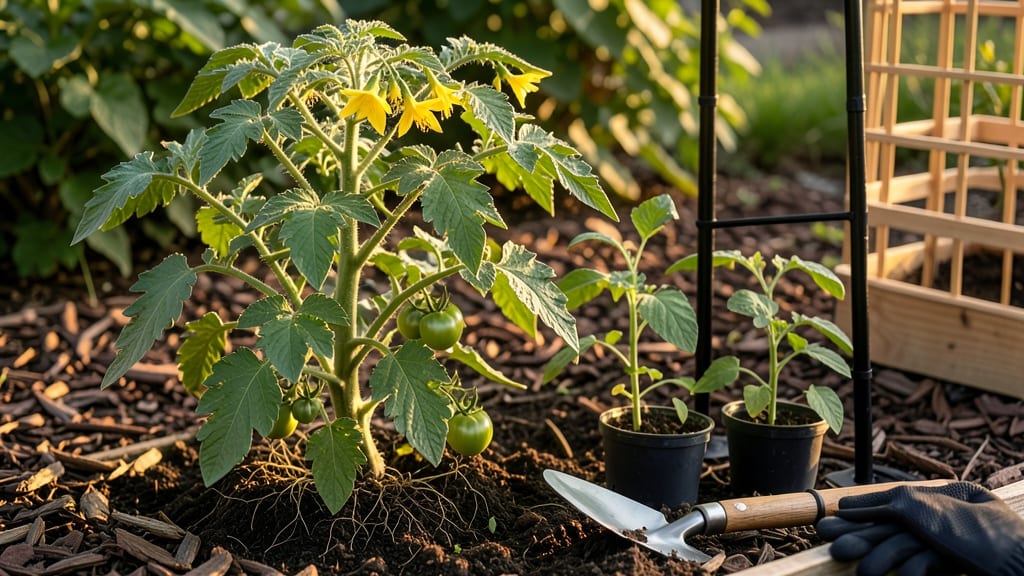
If you’ve ever rushed to plant your 🍅 tomatoes only to watch frost nip your seedlings, you’re not alone—timing is the key to a bountiful harvest in Massachusetts.
The difference between a thriving garden and a failed attempt often comes down to knowing when to plant tomatoes in Zones 5b-6b, where last frost can vary wildly from Boston to the Berkshires.
Most gardeners in Massachusetts wait until mid-April to early June to plant tomatoes, but that’s just the starting point. Soil temperature matters just as much as calendar dates—waiting until the ground reaches a steady 60°F ensures strong root growth and prevents stunted plants.
Whether you’re starting seeds indoors or buying transplants, getting this right means the difference between a July harvest and a disappointing wait.
In this guide, I’ll break down the exact planting windows for your region, including how to adjust for early starts, late frosts, and even microclimates.
You’ll learn when to sow seeds indoors, when to transplant seedlings, and how to use row covers to extend your season—so you can enjoy homegrown tomatoes from July through October.
Ready to avoid the common mistakes and maximize your yield? Let’s dive into the climate-specific schedule that’ll have your tomatoes thriving all season long.
Massachusetts frost dates and ideal tomato planting windows by Zone 5-6
Massachusetts’ Zone 5 and 6 climates create a tight window for planting tomatoes—too early and frost zaps your seedlings, too late and you miss peak harvests. The key is knowing your last frost dates and soil temperature thresholds.
In most of Massachusetts, the average last frost falls between May 10-20, but coastal areas like Cape Cod can be 1-2 weeks earlier, while inland regions like Worcester may lag by a week.
For tomatoes, soil temperature matters more than air temperature. Seedlings thrive when soil reaches 60°F or warmer. In Zone 5, this typically aligns with late May, while Zone 6 gardeners can plant as early as mid-May.
Always use a soil thermometer to confirm—cold soil stunts root growth and delays fruiting.
Here’s the exact planting schedule broken down by region and method to maximize your harvest:
| Region | Last Frost Date | Ideal Planting Window | Soil Temp Threshold | Notes |
|---|---|---|---|---|
| Boston & Eastern MA (Zone 6b) | May 1-10 | Late April (transplants) - Early May (direct sow) | 60°F+ | Coastal areas warm faster; use row covers for early starts. |
| Worcester & Central MA (Zone 5b) | May 15-20 | Early May (transplants) - Mid-May (direct sow) | 60°F+ | Inland areas stay cooler; black plastic mulch warms soil faster. |
| Western MA (Zone 5b) | May 20-25 | Mid-May (transplants) - Late May (direct sow) | 60°F+ | Higher elevations delay planting; choose early-maturing varieties. |
| Cape Cod & Islands (Zone 6b) | April 25 - May 5 | Early April (transplants) - Late April (direct sow) | 55°F+ (cooler coastal soil) | Wind exposure is higher; use windbreaks and cold frames. |
If you’re starting tomatoes from transplants (purchased or homegrown), you can plant 2-3 weeks before your last frost date. For example, in Boston (Zone 6b), that means late April.
Direct-sowing seeds, however, requires warmer soil, so wait until after your last frost—typically early to mid-May for most of Massachusetts.
Pro tip: Use black plastic mulch or straw mulch to raise soil temperatures by 5-10°F, letting you plant 1-2 weeks earlier without risking frost damage. This is especially useful in Zone 5, where cooler soils delay planting.
For gardeners in Zone 5, I recommend prioritizing early-maturing varieties (60-70 days to harvest) to avoid late-season frosts. In Zone 6, you can afford slightly later varieties (70-80 days) and even push for a fall harvest with row covers.
Always check the UMass Extension or Massachusetts Horticultural Society for yearly frost date updates—climate shifts can alter your planting timeline by weeks.
One common mistake is planting too early and relying on row covers. While covers protect against light frosts (28-32°F), they won’t save seedlings from hard frosts (below 28°F).
Monitor your local National Weather Service forecasts and have a backup plan, like a cold frame, for unexpected late frosts.
Finally, don’t forget that tomatoes need warmth to thrive. If your soil is below 60°F, roots won’t develop properly, leading to stunted plants and poor yields. Use a soil thermometer to confirm readiness—it’s the most reliable way to avoid costly mistakes.
🌱
Best tomato varieties for Massachusetts gardens and when to start seeds indoors
Choosing the right tomato varieties for Massachusetts is half the battle—especially when you’re balancing early frosts with hot summers. In Zones 5b-6b, you’ll want varieties that mature quickly (60–70 days) and can handle humidity and disease pressure.
My top picks include Early Girl (60 days), Stupice (a heat-tolerant heirloom), and Mountain Merit (disease-resistant and reliable).
For seed starting indoors, begin 6–8 weeks before your last frost date (typically mid-March to early April for most of MA). Use seed trays with well-draining soil and keep them in a sunny window or under grow lights for 12–16 hours daily.
Transplant seedlings outdoors only after soil reaches 60°F and nighttime temps stay above 55°F.
If you’re buying transplants from a nursery, wait until late May to early June—this gives you a buffer for late frosts. Look for stocky, dark green seedlings with at least 3 sets of leaves. Avoid leggy or yellowing plants, as they’ll struggle to recover outdoors.
🌱 Top Tomato Varieties for Massachusetts & Seed-Starting Timeline
- Early Girl (60 days): Fast-maturing, great for short seasons. Start seeds March 15–April 1.
- Stupice (75 days): Heat-tolerant, sweet flavor. Start seeds March 1–March 15.
- Mountain Merit (70 days): Disease-resistant, high yield. Start seeds March 15–April 1.
- Brandywine (80 days): Heirloom, needs longer season. Start seeds February 15–March 1.
- Sungold (60 days): Cherry tomato, prolific. Start seeds March 15–April 1.
💡 Pro Tip: Use biodegradable pots for seedlings to avoid transplant shock when moving outdoors.
One common mistake I see is starting seeds too early—by late February, seedlings can become overcrowded and leggy from stretching toward light. If you’re short on space, opt for compact varieties like Tiny Tim or Patio Princess, which thrive in containers and mature faster.
For container gardening, choose determinate varieties (like Roma or Celebrity) that stay compact and produce fruit quickly. Place pots in a south-facing spot and use self-watering systems to maintain consistent moisture—critical for tomatoes in MA’s humid summers.
Finally, if you’re aiming for a fall harvest, consider late-season varieties like Black Krim or Cherokee Purple. Start these seeds indoors by April 15 to give them enough time to mature before the first frost (typically mid-October).
With the right variety and timing, you can enjoy homegrown tomatoes from July through October—no green grocery-store tomatoes in sight!