
Plants
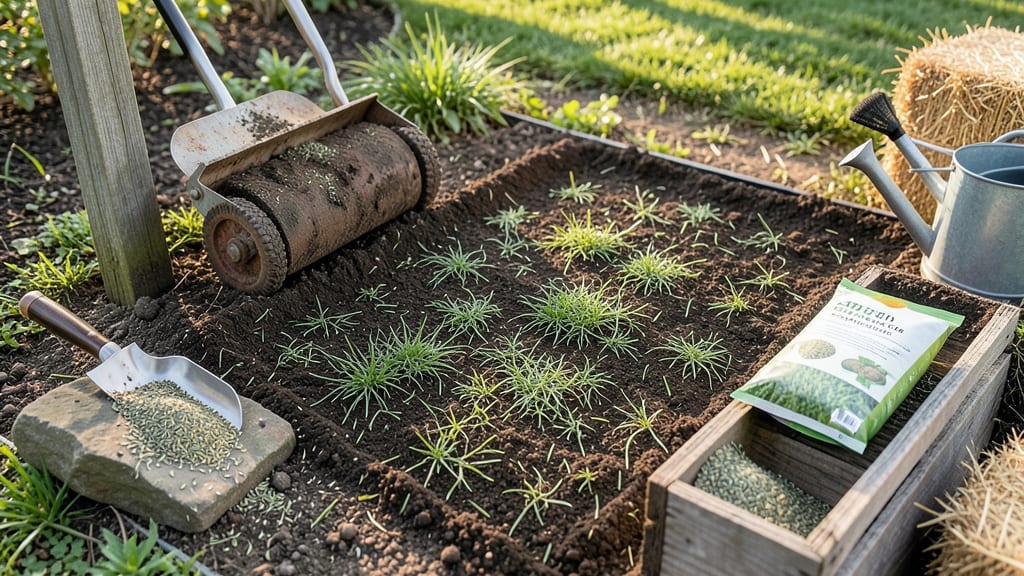
Timing your grass seed planting in spring can make or break your lawn’s success this year. With the right window—typically 4-6 weeks after the last frost—you’ll give your 🌱 new seedlings the best shot at strong roots before summer heat arrives.
But here’s the catch: your exact planting date depends on where you live. In USDA Zone 6a, like many northern regions, late April to early May is ideal when soil warms to at least 55°F.
Plant too early, and frost can kill tender sprouts; too late, and summer drought stresses young grass.
I’ll break down the perfect planting windows for your area, plus soil prep tricks to ensure germination. Whether you’re seeding a new lawn or patching bare spots, these insights will help you avoid common mistakes and get that lush green coverage you’re after.
Ready to transform your spring chore into a season-long win? Let’s dive into the exact steps—and why timing matters more than you think.
Spring grass seed planting dates by USDA hardiness zones: exact weeks for optimal germination
Spring is the most popular time to plant grass seed, but the perfect window varies dramatically by USDA hardiness zone. In northern zones (3-5), you’ll want to wait until late April or early May, while southern zones (7-9) can start as early as February.
The key is planting when soil temperatures consistently reach 50-70°F (10-21°C)—this ensures strong root establishment before summer heat arrives.
For cool-season grasses like Kentucky bluegrass and fescue, aim for 4-6 weeks after your last frost date. Warm-season grasses like Bermuda and Zoysia, however, need to be planted 2-4 weeks before your first summer heatwave—usually late spring to early summer.
Missing this window can lead to weak germination or dormancy stress.
Here’s how to pinpoint your exact planting window based on your zone:
In northern states like Minnesota or Maine, planting too early can result in frost damage or slow germination. Conversely, southern states like Texas or Florida risk overheating seedlings if planted after April. Always check your local frost dates—the National Weather Service or Almanac are great resources.
If you’re unsure about your exact zone, use the USDA Plant Hardiness Zone Map to locate your area. For example, Chicago (Zone 5) typically plants in late April, while Atlanta (Zone 7b) can start as early as mid-March.
The goal is to give seeds 6-8 weeks of cool, moist conditions before summer heat arrives.
Another critical factor is grass type. Cool-season grasses thrive in spring’s mild temperatures, while warm-season grasses need the heat of summer to germinate. Planting the wrong type at the wrong time leads to poor establishment and weed competition.
Always match your grass seed to your climate and season.
For northern gardeners, early spring planting (March) is risky unless you use winter rye cover crops to protect seeds. In southern regions, planting after mid-May often results in dormant seeds that fail to sprout.
The sweet spot is always 4-6 weeks after the last frost, when soil is warm but not scorching.
Don’t forget to monitor rainfall patterns in your area. Regions with dry springs, like parts of California or the Southwest, may require supplemental irrigation to keep seeds moist during germination. A light misting 2-3 times daily can make the difference between success and failure.
If you’re in a transition zone (e.g., Zone 6b-7a), consider overseeding in fall for cool-season grasses, as this often yields better results than spring planting. For warm-season grasses, late spring to early summer is your best bet—just be prepared to water deeply during establishment.
Finally, keep an eye on local weather forecasts for unexpected late frosts or heatwaves. A 5-day forecast of consistent temps above 50°F is your green light to plant. With the right timing, you’ll see lush, uniform growth within 10-21 days, depending on the grass type.
Microclimate factors that shift your planting window: sun exposure, soil type, and local weather patterns
Your lawn’s microclimate can shift the ideal planting window by 2-4 weeks, even within the same USDA zone. A south-facing slope might warm up enough for seeding in early April, while a north-facing yard could need to wait until late May.
Understanding these factors ensures your grass seed germinates when conditions are perfect—not too cold or too hot.
For example, clay soil stays cooler and wetter longer, delaying planting by 1-2 weeks compared to sandy soil, which warms faster. If your yard has frost pockets (low areas where cold air settles), avoid planting until those spots consistently reach 55°F soil temperature for at least a week.
Even urban heat islands (paved areas trapping heat) can advance your planting window. If your lawn is near buildings or pavement, test soil temperature with a soil thermometer—aim for 50-70°F for cool-season grasses like Kentucky bluegrass or 60-75°F for warm-season types like Bermuda grass.
🌡️ Microclimate Adjustments for Grass Seed Planting
- 🌞 South-facing slopes: Plant 2 weeks earlier (warmer soil).
- 🌧️ Clay soil: Wait until soil reaches 60°F+ (slower warming).
- 🏙️ Urban areas: Test soil—may be 5-10°F warmer than rural zones.
- 🌬️ Wind-exposed yards: Delay if gusts exceed 10 mph (seed washout risk).
- 🌊 Near water: Plant 1 week later (cooler, slower drainage).
Local weather patterns also play a role. If your area has late spring frosts (like the Upper Midwest), wait until after the average last frost date—plus an extra week for safety. Check your Almanac’s frost calendar or use a frost-free date calculator for precise timing.
For shady lawns (less than 4 hours of sun), opt for shade-tolerant grasses like Fine Fescue and plant in early spring when soil is still cool. These varieties germinate better in lower light but still need consistent moisture to establish roots.
Pro tip: If your yard has patchy microclimates, divide it into zones and plant in stages. Start with the sunniest, warmest areas first, then move to cooler spots 1-2 weeks later. This staggered approach ensures even germination across your entire lawn.