
Plants
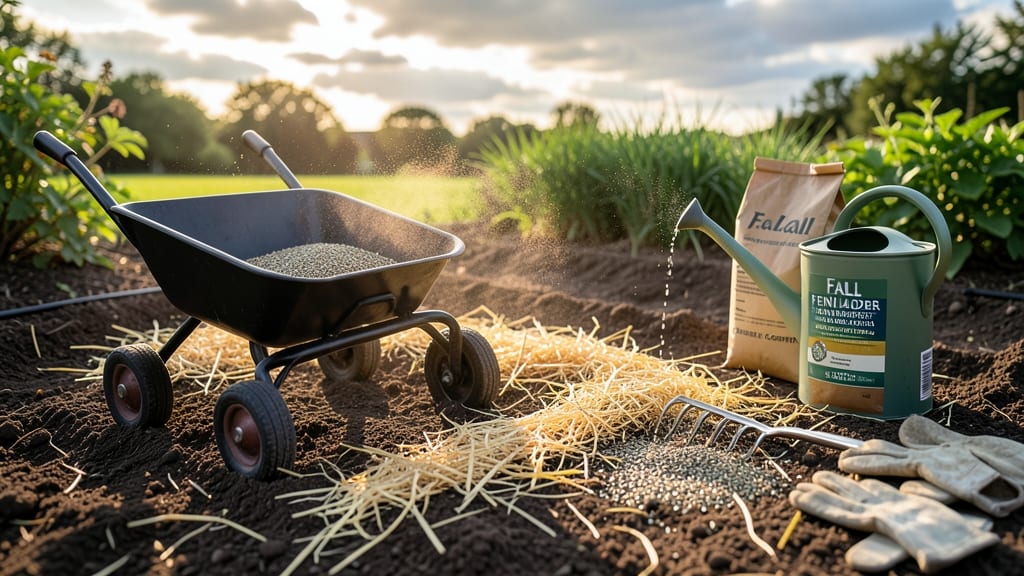
Timing your Grass Seed (Turfgrass) 🌱 planting in the fall isn't just about luck—it's about catching that sweet spot between warm soil and frost. Plant too early, and your seeds might struggle in the heat; too late, and winter can stunt their growth.
The 4-6 week window before your first frost is your golden opportunity for a lush, resilient lawn.
Here's the secret: cooler fall temperatures actually help grass seeds establish stronger roots before winter sets in. That means less competition from weeds and more time for your lawn to take hold.
But getting this right takes more than just guessing—it's about understanding your local climate, soil conditions, and the specific type of grass you're planting.
I'll walk you through exactly when to plant in your region, how to prepare your soil, and what to watch for as the seasons change. Whether you're in zone 6a or beyond, these tips will help you avoid common mistakes and set your lawn up for success next spring.
Ready to transform your patchy yard into a vibrant carpet of green? Let's dive into the science and strategies that make fall the perfect time to plant your Grass Seed (Turfgrass)—without the guesswork.
Optimal fall planting window: soil temperature rules for grass seed success
Fall planting gives grass seed a 4-6 week head start before winter dormancy, but hitting the 50°F-65°F soil temperature sweet spot is everything. Too early, and seeds rot in warm soil; too late, and roots won't establish before frost.
Let's break down the science behind timing for cool-season grasses like Kentucky bluegrass, fescue, and ryegrass.
Your local frost dates are your first clue. Aim to plant 4-6 weeks before the first frost—this gives seeds time to germinate and develop roots 3-4 inches deep before winter slows growth.
In USDA Zone 6a (like much of the Midwest), that window typically opens in late August to early October.
Here's the critical rule: Grass seeds need consistent soil temps between 50°F-65°F for germination. If your soil stays above 70°F, seeds may rot; below 45°F, they won't sprout.
Use a soil thermometer (just $10 at garden centers) to check temps at 2-inch depth—the ideal zone for seed placement.
Northern climates (Zones 3-5) have a shorter window—often just September to early October—while Southern regions (Zones 7-9) can extend planting into November. The key difference? Cooler nights in fall reduce weed competition and stress on young grass.
Pro tip: Morning frost dates (not evening) are your guide. Check the National Weather Service or Old Farmer's Almanac for your area's average first frost date, then count backward. For example, if frost hits October 15, plant by September 15.
Now, let's compare the ideal fall planting window by region and grass type—because not all seeds play by the same rules.
| Region/Zone | Ideal Planting Window | Soil Temp Range | Best Grass Types | Frost Buffer |
|---|---|---|---|---|
| Northern (Zones 3-5) | Late August - Early October | 50°F-60°F | Tall fescue, Kentucky bluegrass | 4-5 weeks before frost |
| Midwest (Zone 6a) | Mid-September - Mid-October | 55°F-65°F | Fine fescue, perennial ryegrass | 4-6 weeks before frost |
| Southern (Zones 7-9) | September - November | 60°F-68°F | Bermuda grass (warm-season), Zoysia | 6-8 weeks before frost |
| Pacific Northwest (Zone 8) | Late August - October | 52°F-62°F | Creeping red fescue | 5-6 weeks before frost |
🌱 Note: Warm-season grasses (like Bermuda) should be planted in late spring, not fall.
Why does this window matter so much? When you plant in ideal soil temps, seeds germinate in 7-14 days instead of struggling for weeks. The grass establishes stronger roots before winter, making it 30% more drought-resistant next spring.
Plus, cooler fall temps mean fewer weeds competing with your new lawn.
One common mistake? Planting when daytime temps are still hot but nights are cool. Check for consistent 60°F daytime highs—this signals your soil is ready.
If your area has unpredictable weather, err on the earlier side of the window. Grass grown in fall will outperform spring plantings by next summer.
For best results, pair your planting date with these soil prep steps: Till
Optimal fall planting window: soil temperature rules for grass seed success
Cool-season grasses like Kentucky bluegrass, fescue, and ryegrass thrive when planted in fall because the soil temperature drops to their ideal range of 50°F-65°F. This window gives seeds time to germinate before winter dormancy.
In USDA Zone 6a, aim for September-October, but your exact timing depends on local frost dates and soil conditions.
Northern climates (like Zone 5 or colder) can plant as early as late August, while southern regions (like Zone 7+) should wait until October.
The key is planting 4-6 weeks before the first frost—this ensures roots establish before cold sets in. Use your local frost calendar as your guide.
🌱 Pro Tip: Check soil temps with a soil thermometer (6 inches deep). If it’s above 65°F, wait—your seeds may dry out. If below 50°F, you’ve missed the window.
| Climate Zone | Ideal Planting Month | Soil Temp Range | Grass Types |
|---|---|---|---|
| Zones 3-5 (Cold) | Late August - Early September | 50°F-60°F | Tall fescue, perennial ryegrass |
| Zone 6a (Moderate) | September - Early October | 55°F-65°F | Kentucky bluegrass, fine fescue |
| Zones 7-9 (Warm) | October - Early November | 60°F-65°F | Bermuda grass, zoysia (fall overseeding) |
🌡️ Why This Matters: Cooler temps reduce weed competition and water stress, giving grass seeds a head start. In Zone 6a, aim for mid-September—this balances germination time and frost risk. If you’re unsure, err on the earlier side; seeds can handle light frost better than heat.
Missed the window? Don’t panic. Late fall planting (up to 2 weeks before frost) can still work if you use winter mulch (straw or leaves) to insulate seeds. Just avoid planting when soil is frozen or snow-covered—seeds won’t germinate in those conditions.
💡 Action Step: Mark your local frost date (check the National Weather Service or Old Farmer’s Almanac) and count back 6 weeks. That’s your planting deadline. For Zone 6a, that’s roughly mid-September—but always verify!