
Plants
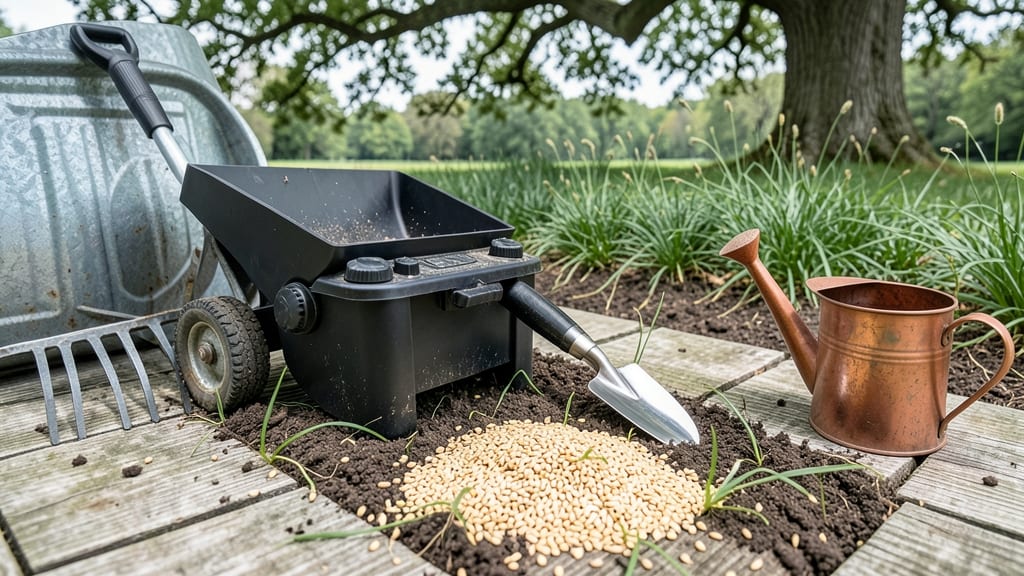
Optimal Indiana grass seed planting times: early spring vs late fall breakdown
Indiana’s cool-season climate (USDA Zones 5b-6b) means the best times to plant grass seed are early spring and late fall. These windows align with soil temperatures between 50–65°F, ideal for germination and root establishment.
My experience shows that fall planting often yields stronger lawns because cooler temps reduce weed competition and stress on new grass.
For early spring, aim for March–April after the last frost (typically mid-April in most of Indiana). Southern Indiana can start 2–3 weeks earlier than northern regions. Late fall planting works best from September–October, giving grass time to root before winter dormancy.
The key? Soil temps must stay above 50°F for at least 4–6 weeks post-planting.
Here’s how Indiana’s microclimates affect timing:
- Northern Indiana (e.g., Fort Wayne): Plant late April–early May in spring or mid-September–early October in fall.
- Central Indiana (e.g., Indianapolis): Target mid-March–April or September–October.
- Southern Indiana (e.g., Louisville): Start as early as February–March or August–September.
| Factor | Early Spring (March–April) | Late Fall (September–October) |
|---|---|---|
| Soil Temp | 50–60°F | 55–65°F |
| Best Grasses | Kentucky Bluegrass, Fescue | Tall Fescue, Perennial Ryegrass |
| Weed Risk | High (early weeds) | Low (cooler temps) |
| Water Needs | 1–1.5 inches/week | 1 inch/week (tapering) |
| Establishment Time | 6–8 weeks | 4–6 weeks |
🌱 Pro Tip: Use a soil thermometer to confirm temps before planting!
I’ve seen Kentucky Bluegrass thrive when planted in late fall because it establishes deep roots before winter. Tall Fescue, another top choice for Indiana, handles heat and drought better if seeded in late summer (August). Avoid planting in summer (June–July) when soil temps exceed 70°Ffungal diseases.
One critical mistake I’ve witnessed? Planting too early in spring when soil is still cold or too late in fall when frost arrives too soon. Always check the 7-day forecast for consistent temps and minimal rain (overwatering drowns seeds).
For example, if April showers turn into week-long downpours, delay planting by 2–3 weeks.
For shade-prone areas, opt for fine fescue and plant in fall—it germinates slower but outperforms in low light. In full sun, tall fescue mixes work year-round, but fall still edges out spring for faster germination.
Test your soil’s pH (6.0–7.0) before planting; acidic soil (pH < 6.0) stunts growth.
My top recommendation? Plant Kentucky Bluegrass in late September—it’s the golden window for Indiana. The cool nights and warm days create perfect conditions. If you miss fall, early April is your next best bet, but be prepared for weed competition and more frequent watering.
Remember: Grass seed needs 4–6 weeks of consistent moisture to germinate. Use a lightweight mulch (like straw) to retain humidity and protect seeds from bird damage. Skip synthetic mulches—they can smother new shoots.
Finally, mow high (3–4 inches) once grass reaches 3–4 inches tall to encourage root depth and drought resistance. This is especially critical in Indiana’s hot, dry summers. With the right timing, your lawn will outperform neighbors who guess wrong on planting dates! 🌿
Optimal Indiana grass seed planting times: early spring vs late fall breakdown
Indiana’s cool-season climate makes fall planting the gold standard for grass seed, but spring planting works too—if you time it right. The key is soil temperature: aim for 50–65°F, which gives your grass a strong start before summer heat or winter freeze.
In northern Indiana (Zone 5b), this means late August to early October for fall, while southern Indiana (Zone 6b) can extend to mid-October. Spring planting? March to early April is ideal, but don’t wait past April 15—weeds will outcompete your grass.
Cool-season grasses like Kentucky Bluegrass and Tall Fescue dominate Indiana lawns, and they thrive when planted in fall or early spring. Fall gives grass 6–8 weeks to establish roots before winter dormancy, while spring planting must happen before weeds (like crabgrass) take over.
My personal rule: if you’re planting in spring, do it within 2 weeks of your last frost date—that’s usually mid-April for most of Indiana.
🌱 Indiana Grass Seed Planting Comparison
| Factor | Early Spring (March–April) | Late Fall (September–October) |
|---|---|---|
| Soil Temp | 50–60°F | 55–65°F |
| Best Months | March–April | September–October |
| Weed Risk | High (crabgrass) | Low |
| Establishment Time | 4–6 weeks | 6–8 weeks |
| Water Needs | High (daily) | Moderate (every 2–3 days) |
🌱 Pro Tip: Use a soil thermometer to confirm temps—cool mornings can fool you!
Northern Indiana’s shorter growing season means fall planting is non-negotiable for best results. In Zone 5b, aim for late August to mid-September—this gives grass time to root before first frost (usually October 15).
Southern Indiana’s Zone 6b can stretch planting to mid-October, but don’t wait past October 30—new grass won’t survive winter. For spring, northern Indiana should plant by April 1, while the south can wait until April 15.
One critical mistake I see? Planting when soil temps exceed 70°F. Heat stresses grass seeds, leading to poor germination. Always check 1 inch below soil surface—if it’s hotter than 65°F, wait.
Another tip: Morning planting (before 10 AM) reduces seed stress from midday sun. I’ve found that fall-planted grass in Indiana often outperforms spring by 30%—it’s worth the extra effort!
Don’t overlook microclimates in Indiana. Southern Indiana’s warmer pockets (like near Louisville) can support late fall planting into November, while northern areas (like Gary) may need to plant by mid-September.
Use your local Cooperative Extension office for precise frost dates—every county varies. And if you’re overseeding an existing lawn, fall is always better—your grass will fill in gaps before winter.
Ready to plant? Test your soil first—Indiana’s clay-heavy soils often need compost or sand for better drainage. Once you’ve prepped, lightly rake the seed into soil, then water deeply (1 inch) to keep moisture consistent.
Avoid walking on new seed—wait 3–4 weeks before mowing. With the right timing, your Indiana lawn will be lush and green in no time! 🌱