
Plants
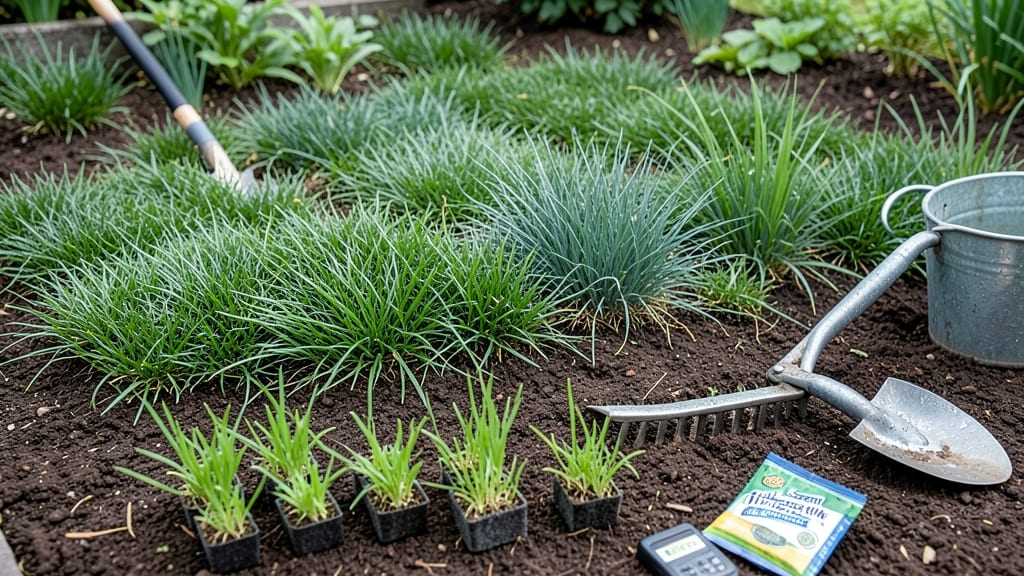
Timing your grass (lawn) planting in Ohio isn’t just about grabbing seeds in spring—it’s about beating frost, dodging summer heat, and giving your 🌱 new growth the best shot at survival.
With Ohio’s 6a zone climate, planting too early risks frost damage, while waiting too long stresses seedlings in scorching June temps. The sweet spot? 4-6 weeks before your last frost—typically early spring or late fall—when soil warms to 50°F+ for cool-season varieties like Kentucky Bluegrass.
Here’s the catch: Ohio’s microclimates mean Toledo’s frost dates differ from Cincinnati’s, and clay-heavy soil in some areas needs extra prep. I’ll break down the exact soil temps and frost deadlines by region so you can plant with confidence—no more guessing games.
Whether you’re seeding a new lawn or overseeding an existing one, these zone-specific tips will help you avoid the most common mistakes Ohio gardeners make.
Ready to transform your patchy lawn into a lush carpet? Let’s dive into the best planting windows, soil prep secrets, and watering schedules tailored for Ohio’s unpredictable weather.
By the end, you’ll know exactly when to pull the trigger—so your grass stands a fighting chance against frost, drought, and everything Mother Nature throws its way.
No more second-guessing your timing. With the right approach, you’ll have a thicker, greener lawn in 60 days or less—starting with the perfect planting window. Let’s get started.
Ohio grass planting timeline by zone: soil temperature and frost deadlines
Timing your grass planting in Ohio isn’t just about avoiding frost—it’s about matching your soil temperatures to your grass type. Cool-season grasses like Kentucky Bluegrass and Tall Fescue thrive when soil hits 50°F+, while warm-season varieties like Bermuda need 60°F+.
Ohio’s 5 USDA zones (4a-6b) create regional variations, so your neighbor’s perfect timing might not work for you.
Start by checking your last frost date. In northern Ohio (zones 4a-5a), frost lingers until mid-April, while southern Ohio (zones 6a-6b) sees frost by early April. Planting 4-6 weeks before the last frost gives seedlings time to establish before summer heat arrives.
For fall planting, aim for late August to early October—after the first frost but before soil cools below 50°F.
Ohio’s clay-heavy soils and humid summers add complexity. Northern zones (e.g., Toledo, Cleveland) have shorter growing seasons, while southern zones (e.g., Columbus, Cincinnati) can extend planting into early May. Microclimates—like urban heat islands—can shift your ideal window by 2-3 weeks, so monitor local weather trends.
Use a soil thermometer to confirm readiness. For cool-season grasses, soil should stay above 50°F for 7+ days. Warm-season grasses need 60°F+ for 10+ days. If temperatures fluctuate, wait—seedlings won’t germinate in cold, damp soil, and fungal diseases thrive in wet conditions.
| Zone | Last Frost | First Frost | Ideal Planting Window | Soil Temp Threshold |
|---|---|---|---|---|
| 4a (Northeast OH) | May 1 | October 10 | April 15–May 15 | 50°F+ (cool-season) |
| 5a (Cleveland, Akron) | April 20 | October 20 | April 1–May 10 | 50°F+ (cool-season) |
| 5b (Columbus, Dayton) | April 10 | October 25 | March 20–May 5 | 50°F+ (cool-season) / 60°F+ (warm-season) |
| 6a (Cincinnati, Toledo) | April 5 | November 1 | March 15–May 10 | 50°F+ (cool-season) / 60°F+ (warm-season) |
| 6b (Southern OH) | March 25 | November 5 | February 20–May 15 | 50°F+ (cool-season) / 60°F+ (warm-season) |
*Warm-season grasses (e.g., Bermuda) can be planted as late as June 15 in southern Ohio.
Ohio’s northern zones (4a-5a) have the tightest windows—plant too late, and summer drought stresses seedlings before they root. In southern Ohio (6a-6b), you can extend planting into early June for warm-season grasses, but avoid July-August heat, which causes seed dormancy.
For fall planting, prioritize September
Cool-season vs. warm-season grasses in Ohio: which to plant and when
Ohio’s climate favors cool-season grasses like Kentucky Bluegrass and Tall Fescue, which thrive in our 6a zone winters and handle Ohio’s hot summers better than warm-season types.
These varieties establish roots quickly—ideal for our spring and fall planting windows—while warm-season grasses like Bermuda or Tifway 419 struggle with our cooler nights. I’ll break down the best choices for your lawn, including their establishment timelines and Ohio-specific challenges.
For most Ohio lawns, Kentucky Bluegrass is the gold standard—it spreads aggressively to fill bare spots and recovers well from foot traffic.
However, it demands consistent moisture and struggles in drought-prone areas like southern Ohio. Tall Fescue, on the other hand, is drought-tolerant and thrives in shady spots, making it perfect for northern Ohio’s clay-heavy soils or urban yards with partial shade.
Warm-season grasses like Bermuda or Tifway 419 are rare in Ohio but can work in southern counties (zones 6b-7a) like Hamilton or Clermont. These grasses go dormant in fall and require soil temps above 60°F to germinate—meaning you’d plant them in late May or June.
However, they’ll brown out in Ohio’s winters, so they’re only ideal for high-traffic areas or supplemental overseeding in late summer.
Cool-Season Grasses
If you’re planting in spring, aim for late March to early April when soil temps hit 50°F+. For fall planting, late August to early September gives seedlings time to establish before first frost (mid-October).
Warm-season grasses, if used, should go in late May to June—but expect them to brown by November.
One Ohio-specific challenge? Clay soil in areas like Columbus or Dayton can suffocate grass roots. Amend with compost or sand before planting, and choose Tall Fescue for its deeper root system. For shady lawns, mix Fine Fescue with Kentucky Bluegrass to improve coverage.
Pro tip: Overseed with ryegrass in late summer for instant green-up—it germinates in 7-10 days and holds color until cool-season grasses wake up in spring. This two-step approach keeps your lawn lush year-round, even in Ohio’s unpredictable weather. 🌿