
Flowers
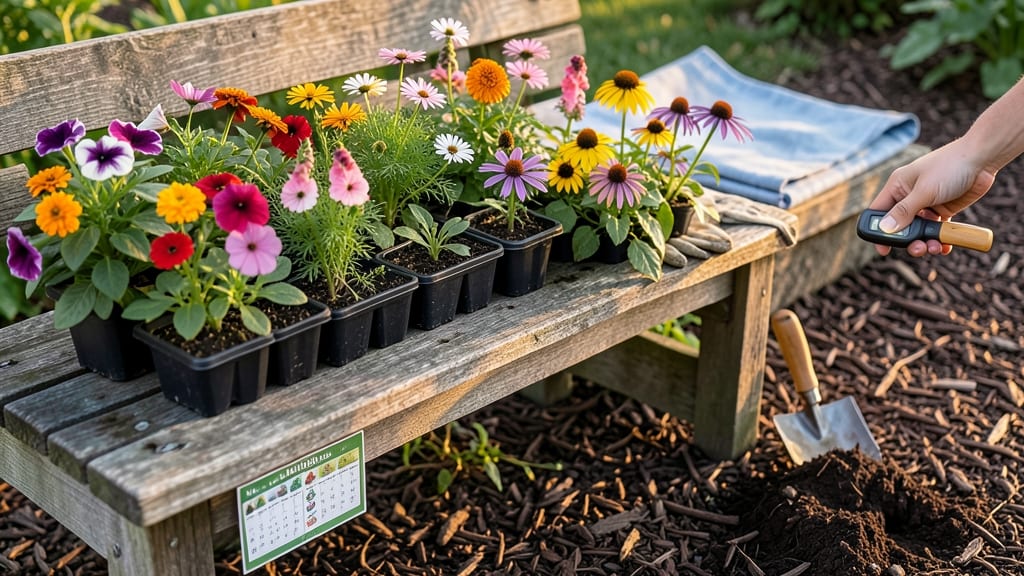
Knowing when is it safe to plant flowers in Missouri can mean the difference between a garden bursting with 🌸 and a sad, frost-nipped disappointment. Missouri’s unpredictable spring weather—where last frost dates can swing by weeks between St. Louis and Kansas City—makes timing critical for your blooms.
Most gardeners in USDA Zones 5b-6b wait until mid-April to mid-May, but that’s just the average. I’ll show you how to check local frost data, spot regional variations, and pick heat-tolerant varieties that thrive even when summer arrives early.
Whether you’re planting delicate annuals or hardy perennials, this guide covers everything from soil temperature checks to adjusting your schedule for Missouri’s unpredictable spring. Let’s make sure your garden gets off to the right start—no frost damage required.
You’ll also discover how to extend your planting window with simple tricks, like using row covers or choosing cold-resistant blooms. By the end, you’ll know exactly when to grab those trowels and get growing!
Missouri’s last average frost dates by region: safe planting windows explained
Missouri’s last average frost dates vary dramatically across its 5 USDA hardiness zones (5a-7a), meaning your St. Louis neighbor might plant weeks before you in Kansas City. The Missouri State Climatologist tracks these dates annually, but here’s a reliable baseline to plan your spring flower planting.
For most of Missouri—especially USDA Zone 5b-6a—the last average frost date falls between April 15 and May 1. Northern regions like Columbia or Sedalia (Zone 5b) typically wait until mid-to-late April, while southern areas like Poplar Bluff (Zone 7a) can plant as early as early April.
Use this summary table to pinpoint your region’s safe planting window, then add 2-4 weeks of buffer time for unpredictable late frosts. For example, if the average last frost is April 20, wait until May 1 to ensure your petunias or geraniums survive.
| Region | USDA Zone | Last Avg. Frost | Safe Planting Window |
|---|---|---|---|
| Northern MO (e.g., St. Joseph) | 5a | April 25 | May 10–15 |
| Central MO (e.g., Columbia) | 5b | April 15 | April 25–May 5 |
| Kansas City Metro | 6a | April 10 | April 20–May 1 |
| St. Louis Metro | 6b | April 5 | April 15–25 |
| Southern MO (e.g., Poplar Bluff) | 7a | March 25 | April 5–15 |
Pro tip: Check the Missouri Frost Tracker (agweather.missouri.edu) for real-time updates. This tool provides 10-day forecasts for frost risk, helping you avoid late-season surprises. For example, in 2023, Kansas City saw frost as late as May 5, delaying planting by weeks.
If you’re in Zone 5a-5b, prioritize heat-tolerant flowers like black-eyed Susans or coneflowers for late-May plantings. These varieties thrive in summer heat and compensate for shorter growing seasons. For Zone 6b-7a, you can even squeeze in a fall planting of pansies or calendula by late August.
For container gardening, warm up soil faster by placing pots in south-facing locations or using black plastic mulch. This can shave 1-2 weeks off your planting timeline. Always test soil temperature with a soil thermometer—aim for at least 50°F for most flowers to thrive.
Missouri’s first average frost typically arrives between October 15 and November 1, giving you a 165-day growing season in most areas. Use this timeline to plan succession planting—replace early bloomers like tulips with fall mums or aster flowers for continuous color.
Remember: Microclimates matter. A low-lying area or urban heat island (like downtown St. Louis) may warm up 1-2 weeks earlier than rural zones. Observe your yard’s frost patterns for 3+ years to refine your schedule.
🌱
Missouri’s last average frost dates by region: safe planting windows explained
Missouri’s last average frost dates vary dramatically across its USDA Zones 5b-6b, with northern areas like St. Louis typically seeing frost-free conditions by April 15, while southern regions like Springfield may wait until April 25.
These dates mark when most gardeners can safely plant frost-sensitive flowers like petunias or geraniums without risking damage.
For Kansas City (Zone 5b), the last frost often arrives around April 20, while Columbia (Zone 6a) typically warms up by April 10. Always check the Missouri State Climatologist’s data for your exact location—these averages can shift by weeks due to unpredictable weather patterns.
🌱
| Region | Last Avg. Frost | Safe Planting Window | USDA Zone |
|---|---|---|---|
| St. Louis | April 15 | Mid-April to May 1 | 5b-6a |
| Kansas City | April 20 | Late April to May 10 | 5b |
| Springfield | April 25 | Late April to May 15 | 6a |
| Columbia | April 10 | Early April to April 30 | 6a |
To double-check, use the Missouri Frost Tracker and wait until soil temperatures reach at least 50°F—a must for warm-season flowers like marigolds or zinnia. Cold soil can stunt growth, even if air temperatures are mild.
For fall planting, aim for late August to early September, giving flowers time to establish roots before the first frost in October. Perennials like black-eyed Susans or coneflowers often thrive when planted in fall, thanks to cooler temperatures and consistent moisture.
If you’re unsure, opt for heat-tolerant varieties like portulaca or lantana, which can handle late-May plantings even if summer arrives early. These bloomers won’t mind the heat!
☀️