
Plants
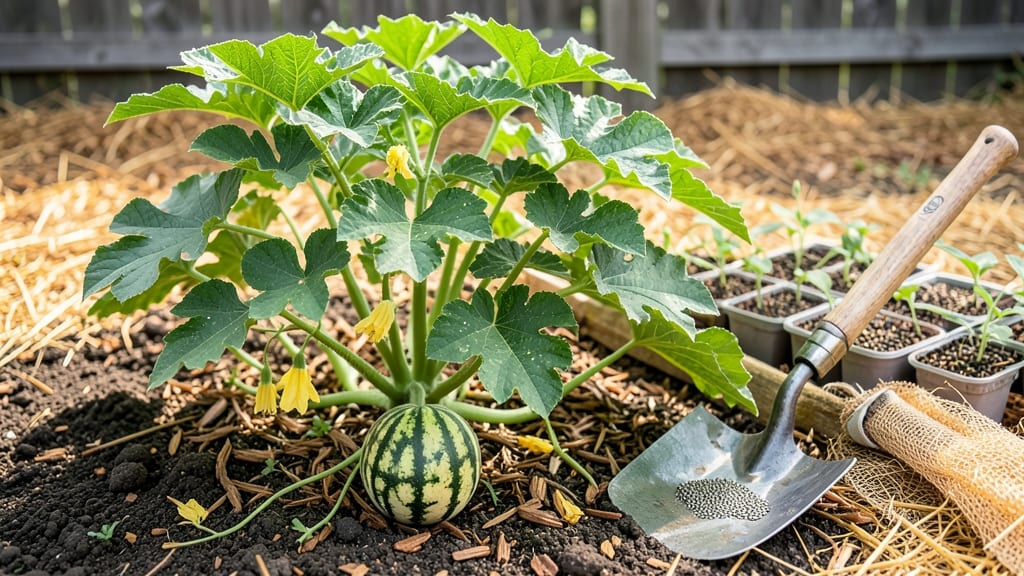
Planting watermelons in Alabama at the wrong time can mean the difference between a bountiful harvest and wasted effort. With 7b-8b climate zones and a growing season that stretches from spring to fall, timing your 🍉 seeds correctly is the key to success.
Most gardeners in Alabama wait until mid-April to early May—after the last frost—before planting, but soil temperature matters just as much as the calendar.
Watermelons need warm soil (70°F+) to germinate properly, and cooler northern regions like Huntsville may need a later start than warmer southern areas near Mobile.
If you're eager to get a head start, you can begin seeds indoors 4-6 weeks before the last frost, but transplanting too early can shock young plants.
The goal is to align your planting with Alabama's 210 frost-free days, ensuring your vines have enough time to mature before the first frost hits in November.
In this guide, I’ll break down the exact planting windows for your region, share soil prep secrets, and help you avoid common mistakes that ruin watermelon harvests. Let’s get those seeds in the ground at the perfect moment!
Alabama watermelon planting timeline by region: frost dates & soil warmth
Alabama’s diverse climate means planting times vary dramatically from the cooler Appalachian foothills to the humid Gulf Coast. In North Alabama (Huntsville, Birmingham), the last frost typically hits mid-April, while South Alabama (Mobile, Gulf Shores) can plant as early as late March.
The key factor isn’t just frost dates—it’s soil temperature, which must reach 70°F+ for seeds to germinate properly.
Watermelons are heat-loving annuals that thrive in Alabama’s USDA Zones 7b-8b. Planting too early in cold soil leads to poor germination, while waiting too long risks shortening the harvest window.
For example, Birmingham’s 210 frost-free days allow for two planting windows: early May for standard varieties and late June for heat-tolerant types like ‘Sugar Baby’.
🌱
For North Alabama gardeners, consider using black plastic mulch to warm soil faster—this can shave 2-3 weeks off your planting timeline. In South Alabama, where humidity is higher, opt for disease-resistant varieties like ‘Crimson Sweet’ to avoid powdery mildew.
Always check your local Alabama Cooperative Extension office for updated frost dates, as microclimates can shift yearly.
If you’re in a transition zone (e.g., Cullman or Talladega), err on the side of planting later. Cold nights in May can stunt young seedlings, so wait until after May 15 unless you’re using row covers.
For container gardening, start seeds indoors 4-6 weeks before your region’s last frost date and transplant after soil warms.
💧
Pro tip: Use a soil thermometer to confirm readiness—watermelon seeds won’t germinate below 70°F. In Birmingham, this often means waiting until mid-May for direct sowing.
For Gulf Coast areas, you can push the envelope and plant as early as late February under row covers, but be prepared to protect seedlings from unpredictable cold snaps.
Another strategy for cool-climate areas is to plant fast-maturing varieties like ‘Sugar Baby’ (65 days) instead of longer-season types. This ensures you harvest before first frost, which typically arrives in mid-November across most of Alabama.
For late-season harvests, choose heat-tolerant seeds and plant in late June to extend your growing window.
🌡️
Remember: Watermelons need warmth to thrive, but they also hate soggy soil. Amend your beds with compost or aged manure to improve drainage, especially in clay-heavy soils common in <
How to time watermelon planting for maximum yield: soil tests & seedling strategies
Timing your watermelon seeds right in Alabama isn’t just about checking the calendar—it’s about soil temperature, seedling strength, and transplanting techniques that prevent shock.
Most gardeners skip the indoor-starting step for watermelons, but if you live in northern Alabama (like Huntsville), giving seeds a 4-6 week head start indoors can mean the difference between a thriving vine and a failed crop.
For direct sowing, wait until your soil reaches at least 70°F—use a soil thermometer to check, as surface temps can be misleading. In warmer southern regions (Mobile, Gulf Coast), this usually means mid-April, while cooler areas like Birmingham may need to wait until early May.
Planting too soon in cold soil leads to poor germination and rot-prone seedlings.
Before you plant, test your soil’s pH (6.0-6.8) and organic matter. Alabama’s clay-heavy soils often need amendments like compost or aged manure to improve drainage. Watermelons hate soggy roots, so raise beds or add sand if your soil feels compacted.
A quick fix? Mix in 2-3 inches of compost and let it sit for a week before planting.
4-6 weeks before last frost. Use biodegradable pots to avoid transplant shock.
Move pots outdoors for 2-3 hours daily, increasing time over 1 week.
Wait until soil hits 70°F+ (use a thermometer).
Plant seeds 1 inch deep, 3 feet apart. Transplant seedlings firmly, burying stems halfway.
Apply straw mulch to retain moisture and suppress weeds. Water at soil level, not leaves.
If you’re transplanting seedlings, do it on a cloudy day or in the late afternoon to reduce stress. Bury the stems deeper than usual—watermelons grow roots along their stems, giving them a stronger start.
For late varieties, you can even plant a second crop in early June if your season stretches long enough.
Pro tip: Use black plastic mulch to warm soil faster and deter weeds. It’s a game-changer for cooler areas. Just
🌱