
Plants
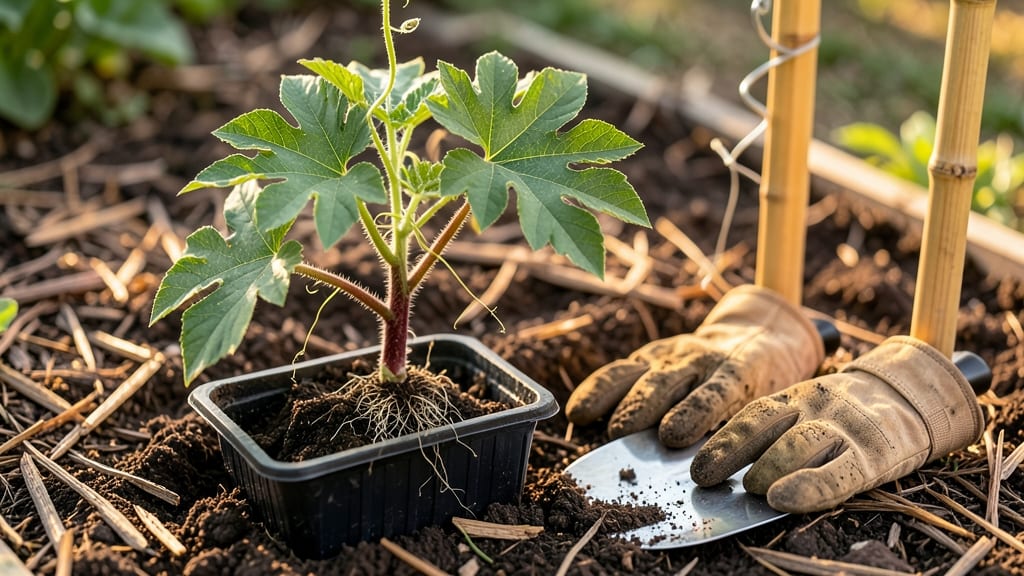
Planting watermelon in Florida isn’t just about timing—it’s about outsmarting the heat before your seeds even sprout. 🌱 With the right schedule, you can skip the frustrating wait for germination and enjoy juicy, homegrown melons by midsummer.
Florida’s climate zones create big differences in what works for North vs. South. Too early, and your seedlings will fry in the soil; too late, and you’ll miss the sweet harvest window. I’ll break down the exact months to plant for each region so you can avoid those common mistakes.
Fast germination is the key to success here, and it starts with warm soil—think 70-90°F—not just warm air. Whether you’re a first-time gardener or a seasoned pro, these heat-zone hacks will help you get your melons off to a flying start.
Let’s dive into the perfect planting timeline so you can enjoy those first ripe slices before the summer heat peaks. You’ll learn how to prep your soil, choose the right varieties, and even extend your growing season if needed.
Florida heat-zone planting schedule: best months for watermelon germination
Florida’s climate is a gardener’s double-edged sword—warm soil speeds up growth, but scorching summers can stress young watermelon plants. The key is planting when soil temperatures hit 70-90°F, ensuring seeds germinate quickly and vines establish before extreme heat sets in.
In North Florida (Zones 8a-8b), aim for mid-April to early May, while Central Florida (Zone 9a) gardeners can start as early as late March.
For South Florida (Zones 10a-11), the window narrows to February-March, as summer’s relentless heat arrives earlier. Always check your local frost-free date—North Florida’s last frost typically occurs by mid-March, but South Florida rarely sees frost.
Watermelons thrive in heat, but seedlings need gentle acclimation to avoid shock. Transplanting after soil warms to 75°F+ is ideal for faster recovery.
Here’s the breakdown by Florida region, including soil temperature thresholds and ideal planting windows:
Direct sowing is preferred in Florida, as watermelon seedlings hate transplant shock. Plant seeds 1 inch deep and 6 inches apart in hills, spacing rows 5-6 feet apart to accommodate sprawling vines.
For North Florida gardeners, consider using black plastic mulch to warm soil faster—this can shave off 2-3 weeks from your planting timeline.
If you’re in South Florida and want to avoid peak summer heat, opt for fall planting (August-September). Soil stays warm longer, and you’ll harvest before winter’s chill sets in. Just be mindful of hurricane season—secure trellises or use containers to protect plants from wind damage.
For container growing, use at least 5-gallon pots per plant and place them in full sun. Containers heat up faster, so monitor soil moisture closely—watermelons in pots dry out 30% quicker than in-ground plants. Elevate pots with brick or cinder blocks to improve drainage and prevent root rot.
Pro tip: Use a soil thermometer to confirm readiness—wait until soil hits 75°F+ before planting. Cold soil delays germination by days or even weeks, giving weeds a competitive edge. In Florida’s humidity, weeds can smother young seedlings in 10 days if not controlled.
Finally, choose heat-tolerant varieties like ‘Sugar Baby’ or ‘Crimson Sweet’ for Florida’s climate. These varieties mature in 70-80 days, ensuring harvests before summer’s peak intensity. Pair them with drought-resistant mulch to retain moisture and regulate soil temperature.
Florida heat-zone planting schedule: best months for watermelon germination
Florida’s climate divides into three distinct heat zones—North, Central, and South—each with unique planting deadlines for watermelons. Soil temperatures below 70°F stall germination, while ideal conditions hover between 75-90°F.
In North Florida, the last frost typically occurs by March 15, giving you a narrow window to plant after the soil warms.
For Central Florida, aim for mid-April when daytime temperatures consistently exceed 80°F. Meanwhile, South Florida’s longer growing season allows for March-April plantings, with some gardeners even starting seeds indoors in February for early harvests. The key is avoiding late-season heat, which can cause bolting before fruit sets.
| Zone | Best Planting Window | Soil Temp Requirement | Frost-Free Deadline |
|---|---|---|---|
| North Florida | Late April - Early May | 75-85°F | March 15 |
| Central Florida | Mid-April - Early June | 80-90°F | February 15 |
| South Florida | March - April | 70-85°F | January 1 |
If you’re in North Florida, consider using black plastic mulch to warm the soil faster—this can shave off 2-3 weeks from your planting timeline. For Central and South Florida, succession planting every 2 weeks ensures a continuous harvest through September.
Just be mindful of hurricane season, which can damage vines if planted too late.
For direct sowing, drop seeds 1 inch deep and 6 inches apart in hills. Thin seedlings to 2-3 per hill once they reach 4 inches tall.
In South Florida, you can even try fall plantings in September for late-season melons, though yields may be smaller due to shorter daylight.
Always check your local USDA Hardiness Zone (Florida ranges from 8a-11) and adjust for microclimates. Coastal areas may need earlier plantings to avoid salt spray damage, while inland zones can push late-season harvests further into October. 🌱
Pro tip: Use a soil thermometer to confirm temperatures before planting—watermelon seeds won’t germinate below 70°F, no matter how eager you are! Test for 3 consecutive days above 75°F before committing. ☀️