
Plants
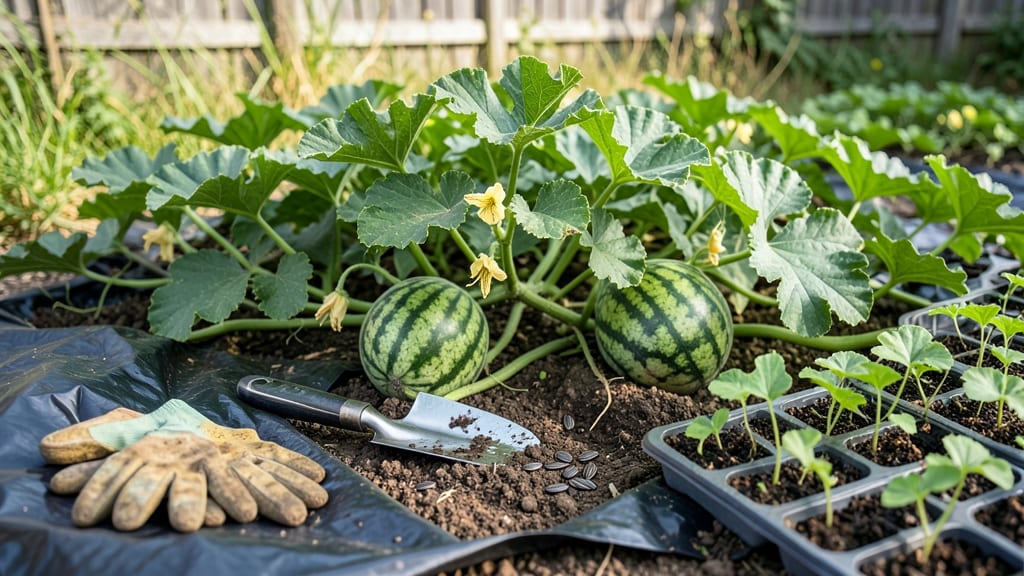
Planting watermelon seeds in California at the wrong time can mean the difference between a bountiful harvest and a sad, wilted vine. The best months depend on your region's microclimate—coastal areas need earlier starts than the desert, where heat arrives faster.
Whether you're in USDA Zone 9b or beyond, timing is everything for fast germination and sweet, ripe 🍉 melons.
Most gardeners in California kick off their watermelon season between mid-February and mid-April, but fall planting (September) works too for a late harvest. The key is waiting until soil temperatures hit at least 70°F, ensuring seeds sprout quickly and vines thrive.
Skip the guesswork—this guide breaks down the perfect planting window for your specific corner of the state.
Why does timing matter so much? Watermelons are heat-lovers, but they also need time to mature before autumn’s chill sets in. Plant too early, and frost can sneak up; too late, and your melons won’t ripen before the season ends.
I’ll show you how to align your planting with California’s diverse frost dates and heat patterns for faster, more reliable results.
From coastal fog to desert sun, California’s climate offers both challenges and opportunities for watermelon growers. Whether you’re sowing directly in the garden or starting seeds indoors, these insights will help you avoid common mistakes and maximize your harvest. Let’s get those seeds in the ground at the perfect moment!
Optimal California watermelon planting months by region (soil temps & frost dates)
Watermelons thrive in California’s warm climate, but timing is everything. The soil temperature must reach at least 70°F (21°C) for seeds to germinate properly. In Northern California, this typically happens in late April to May, while Southern California can start as early as mid-March.
Coastal areas may need to wait until May or June due to cooler ocean breezes.
California’s frost-free growing season varies dramatically by region. In the Central Valley, you have a long 300+ days of warmth, while coastal areas like San Francisco may only get 200 days. This means your planting window shifts from March in the desert to June near the coast.
Always check your local last frost date—even Southern California’s high deserts can see rare frosts in December.
Here’s how to align your planting with California’s three key regions for maximum success:
| Region | Best Planting Window | Soil Temp Requirement | Last Frost Date | Harvest Window |
|---|---|---|---|---|
| Northern CA (Sacramento, Redding) | Late April - Early May | 70°F+ (consistent) | Mid-April | July - September |
| Central CA (Central Valley, LA Basin) | Mid-March - Early April | 70°F+ (sooner in desert) | Late February (varies) | June - October |
| Southern CA (Desert, Coastal) | Mid-March (desert) / May (coast) | 70°F+ (desert earlier) | January (rare frost) | May - November (desert) |
| Coastal CA (SF, Santa Barbara) | June (or September for fall) | 70°F+ (warmer microclimates) | Late May | August - October |
For Northern California, aim to plant 4-6 weeks before your last frost date. This gives seedlings time to establish before summer heat arrives. In Central California, where summers are long and hot, you can even plant a second crop in late July for a fall harvest.
Meanwhile, Southern California’s desert regions can start as early as February, but coastal areas like Malibu or Santa Barbara should wait until June to avoid coastal fog delays.
Pro tip: Use a soil thermometer to confirm temperatures. Watermelon seeds won’t germinate below 60°F (15°C), and growth slows dramatically below 70°F (21°C). If your soil is too cool, start seeds indoors under grow lights 3-4 weeks before transplanting.
Urban gardeners in Los Angeles or San Diego can also try container growing. Just ensure your pots are at least 12 inches deep and use heat-retaining fabrics to warm soil faster. Microclimates matter—even a south-facing balcony can be 10°F warmer than the surrounding area.
Remember: Watermelons need 90-120 days to mature. Plant too late, and you’ll miss your harvest before fall frosts arrive. In high desert areas, even a light frost in October can ruin your crop. Always factor in your variety’s maturity time when choosing a planting date.
🌱
How to adjust planting for early vs late varieties (and avoid common mistakes)
Choosing the right watermelon variety is just as critical as timing in California’s varied climate. Early-maturing varieties (like 'Sugar Baby' or 'Early Red') take 60-70 days to ripen, while late-maturing types (such as 'Crimson Sweet' or 'Moon and Stars') need 90+ days.
Your region dictates which you can grow successfully—coastal gardeners should lean toward early varieties, while desert areas can handle longer seasons.
For Northern California (USDA Zones 8-9), stick to early varieties if planting in March-April. These melons ripen just in time for summer’s heat, avoiding autumn’s chill. In Southern California (Zones 10-11), late varieties thrive with a September start, maturing before winter sets in.
My rule of thumb? Match your variety to your frost-free days—aim for at least 90 days of warmth after planting.
Here’s a quick guide to adjusting your planting based on variety and region:
Early Varieties (60-70 Days)
- Faster harvest (ideal for short seasons)
- Lower risk of pest/disease buildup
- Great for containers or small spaces
- Smaller fruit size
- Less sweetness (shorter ripening time)
- Limited to early planting windows
Late Varieties (90+ Days)
- Larger, sweeter fruit
- Better for extended harvests
- More disease-resistant vines
- Requires longer growing season
- Higher risk of bolting in heat
- Needs more space for vines
Avoid these common mistakes that derail watermelon growth: overcrowding (vines need 3-4 feet of space), poor soil prep (amend with compost for drainage), and transplant shock (harden off seedlings gradually). I’ve seen gardeners rush planting because of eagerness—don’t skip soil warming! Use a soil thermometer to confirm 70°F+ before sowing.
For container gardening in urban areas, choose dwarf varieties like 'Tiny Tim' and start seeds 4-6 weeks earlier indoors. Containers heat up faster, so monitor moisture closely and use self-watering pots to prevent stress.
My urban gardeners swear by this trick: place containers on black plastic mulch to warm the roots and speed up germination.
Pro tip: If you’re in a transitional zone (like the Central Valley), consider succession planting