
Plants
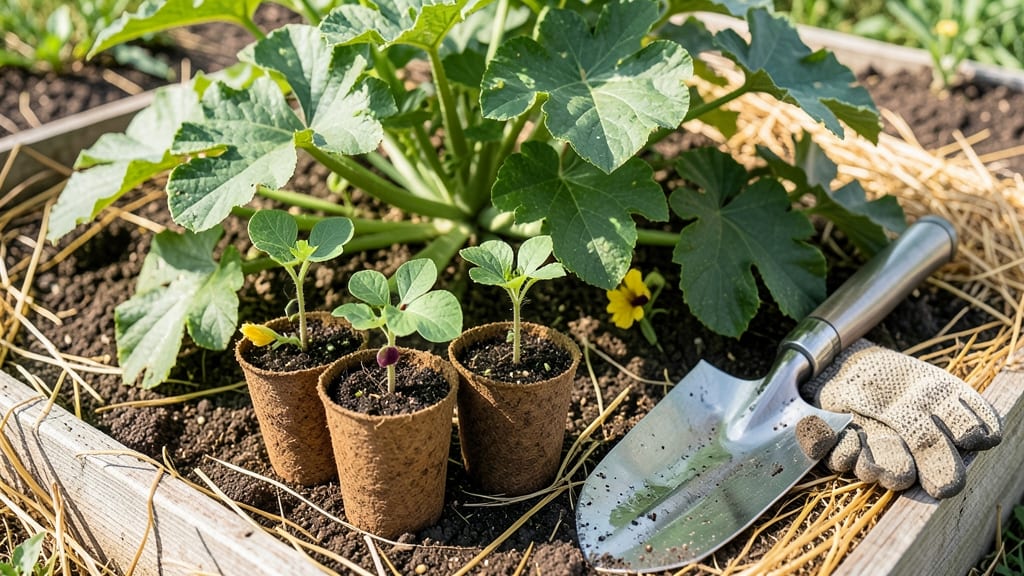
Planting watermelon in NC at the wrong time can mean the difference between a bountiful harvest and wasted effort. With North Carolina's unpredictable spring weather—where frost can linger into April—getting those seeds in the ground too early risks stunted growth, while waiting too long cuts your growing season short.
Timing is everything for 🍉 watermelon success in zones 7a-8b, and the ideal window is narrow: late April to mid-May, once soil temperatures hit at least 70°F. That’s when the real magic happens—roots establish quickly, vines spread aggressively, and you’re on track for ripe fruit by July.
But here’s the catch: direct sowing is your best bet, not transplants, because watermelons hate root disturbance. I’ll walk you through exactly when to plant based on your microclimate—whether you’re in the Coastal Plain, Piedmont, or Mountains—plus how to protect young plants from late frosts and summer heat.
Skip the guesswork and learn how to stretch your harvest from June to September with these foolproof strategies. Ready to grow watermelons that outshine the grocery store? Let’s get started.
Optimal watermelon planting dates in NC by microclimate
North Carolina’s diverse climate means planting dates vary dramatically from the Coastal Plain to the Mountains. Watermelons need warm soil (70°F+) and frost-free nights to thrive, so timing is critical. Let’s break it down by region to ensure your vines grow strong and your fruit ripens perfectly.
In Coastal NC (Zones 7b-8a), where springs arrive early, you can start direct-sowing seeds as early as late March under protective covers. However, wait until mid-April for bare-ground planting to avoid cold snaps.
The last frost typically passes by March 15, but soil warmth is the real game-changer here.
For Piedmont NC (Zones 7a-7b), the most common growing zone, aim for mid-April to early May. This region’s unpredictable spring weather demands patience—soil thermometers are your best friend. Only plant when daytime temps stay above 75°F consistently.
In the Mountains (Zone 6b-7a), watermelons are a risky but rewarding crop. Start seeds indoors in late April and transplant after May 15, when nighttime temps reliably stay above 55°F. Shorter growing seasons here mean fast-maturing varieties are a must.
| Region | USDA Zone | Last Frost Date | Optimal Planting Window | Soil Temp Requirement |
|---|---|---|---|---|
| Coastal Plain | 7b-8a | Mid-March | Late March - Mid-April | 70°F+ (21°C+) |
| Piedmont | 7a-7b | Late March - Early April | Mid-April - Early May | 75°F+ (24°C+) |
| Mountains | 6b-7a | Mid-April | Late April - May 15 | 80°F+ (27°C+) |
🌱 Pro Tip: Use black plastic mulch to warm soil faster in cooler zones.
If you’re starting seeds indoors (recommended for Mountain gardeners), begin 4-6 weeks before your target outdoor date. Use biodegradable pots to avoid transplant shock when moving seedlings outside. Harden them off by placing them outdoors for 2-3 hours daily starting 1 week before transplanting.
For direct sowing (best for Coastal and Piedmont), plant seeds 1 inch deep and 6 inches apart in hills spaced 3-4 feet apart. Thin to 2-3 plants per hill once seedlings are 4 inches tall. This spacing gives vines room to sprawl and prevents disease.
Watch for NC’s late spring frosts, which can strike as late as April 15 in the Mountains. Use frost blankets or row covers if nights dip below 50°F after planting. Remove covers during the day to avoid overheating seedlings.
Once planted, mulch heavily with straw or shredded leaves to retain moisture and suppress weeds. Watermelons are thirsty plants, but mulch helps maintain consistent soil moisture, which is key for sweet fruit development. Aim for 1-2 inches of water per week, especially during flowering.
In extreme heat (common in Piedmont summers), shallow watering can cause fruit to split. Instead, water deeply in the morning to encourage strong root growth. Drip irrigation is ideal—it delivers water directly to roots while keeping foliage dry, reducing disease risk.
Remember: Watermelons need 75-90 days to mature. If you plant too late, you’ll end up with green, unripe fruit before frost. Use fast-maturing varieties (like Sugar Baby) in the Mountains to maximize your harvest window.
🌿
How to extend your NC watermelon season with smart planting
Watermelons in North Carolina thrive with the right timing, but you can push your harvest window even further by using smart planting techniques. Whether you're dealing with early spring chills or late-season heat, these methods will help you grow watermelons from June to September—or even longer.
Start your seeds indoors 2-3 weeks before your last frost date (around mid-March for most of NC). Use biodegradable pots and transplant seedlings outdoors after the soil warms to at least 70°F.
For Coastal NC, this might be as early as late March, while Mountain regions should wait until mid-May.
🌱 Numbered Highlights: Extend Your Watermelon Season
- 1. Use row covers to protect seedlings from late spring frosts (down to 28°F). Remove covers once vines start spreading.
- 2. Try cold frames for an earlier start—plant seeds in February under a clear plastic dome to trap heat.
- 3. Succession plant every 2 weeks after the first planting to stagger harvests through September.
- 4. Choose heat-tolerant varieties like Sugar Baby or Crimson Sweet for late-season success.
- 5. Mulch heavily with straw or black plastic to keep soil warm and retain moisture during NC’s unpredictable summer rains.
If you’re in Piedmont NC, where spring rains can delay planting, opt for transplants instead of direct sowing. Purchase healthy 4-6 week-old seedlings from a local nursery and plant them after Memorial Day (around mid-May) to avoid soggy soil.
For Coastal NC, you can plant as early as April 15, but always check a soil thermometer—watermelons won’t germinate below 60°F.
For a late-season harvest, focus on short-day varieties like Charleston Gray or Black Diamond. These types mature faster in NC’s shorter summer days and can produce fruit even as temperatures drop in late August.
Pair this with drip irrigation to keep plants hydrated without overwatering during humid NC summers.
Finally, prune excess vines to direct energy toward fruit production. Remove weak or crowded vines every 2-3 weeks to improve airflow and reduce disease risk. With these strategies, you’ll enjoy homegrown watermelons from June through September—or even into October if you’re lucky! 🍉🌿