
Plants
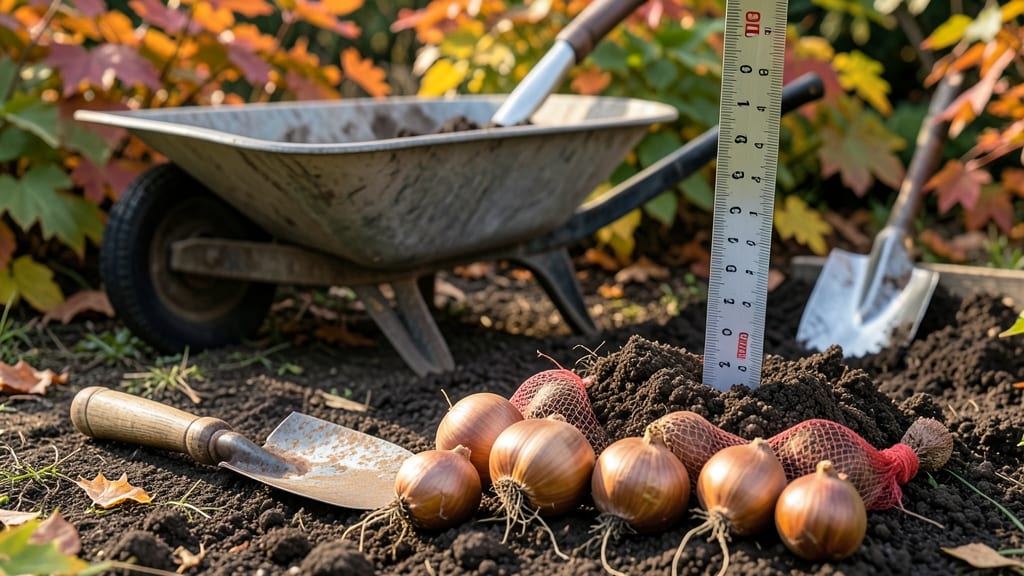
Planting tulip bulbs in Illinois at the wrong time can turn your spring dreams into a frozen disappointment—no blooms, just regret. The key to vibrant 🌷 tulips lies in timing them perfectly between the first frost and when the ground freezes solid.
Most Illinois gardeners swear by late fall planting, but October to November is your sweet spot in zones 5b-6b. This window gives bulbs 6-8 weeks to establish roots before winter sets in, ensuring they burst into color next April.
But what if your October is unusually warm or your November brings early snow?
Don’t panic—adjusting for soil temperature (aim for 60°F or below) and local frost dates is easier than you think. I’ll walk you through exactly how to time it right, whether you’re in Chicago’s windy plains or southern Illinois’ milder microclimates.
Plus, we’ll cover the one mistake that kills more tulip dreams than frost ever could.
Ready to turn your yard into a springtime showstopper? Let’s dive into the exact planting schedule that’ll have your neighbors asking for your secret—because timing is everything when it comes to 🌷 tulips in Illinois.
Best months to plant tulip bulbs in Illinois (with frost-date guide)
Illinois' USDA hardiness zones 5b-6b create a tight window for planting tulip bulbs—too early, and they'll rot; too late, and they won't establish roots before winter.
The ideal planting window spans mid-October to mid-November, but this shifts slightly depending on whether you're in northern Illinois (like Chicago) or southern Illinois (near St. Louis).
For northern Illinois, aim to plant by October 15th to ensure bulbs root before the ground freezes. In southern Illinois, you can extend planting until November 1st due to milder winters.
The key is planting 6-8 weeks before your first hard frost, which typically hits Illinois between mid-October and early November.
Here’s how to use your local frost dates to pinpoint the perfect time. Check the USDA Plant Hardiness Zone Map for your exact location—most of Illinois falls into zones 5b-6b, but microclimates near lakes or cities can shift your frost dates by 1-2 weeks.
If you miss the fall window, don’t panic—tulips can also be planted in early spring (March-April), though they may bloom 4-6 weeks later than fall-planted bulbs. Spring planting works best for reblooming varieties like 'Darwin Hybrid' tulips, which tolerate the stress better.
🌷 Illinois Tulip Planting Timeline
| Zone | Ideal Planting Window | Last Chance (Risky) | Spring Alternative |
|---|---|---|---|
| 5b (Northern IL) | October 15–November 1 | November 10 | March 1–April 15 |
| 6a (Central IL) | October 20–November 15 | November 20 | March 15–April 30 |
| 6b (Southern IL) | November 1–December 1 | December 10 | April 1–May 1 |
💡 Pro Tip: Use a soil thermometer to confirm ground temps are below 60°F but not frozen before planting.
To double-check your local frost dates, consult the Old Farmer’s Almanac or your local Cooperative Extension Service. For example, Chicago’s average first frost is October 22nd, while Carbondale’s is November 5th. Adjust your planting date accordingly—aim for 4-6 weeks before frost to give roots time to establish.
If you’re unsure whether your soil is ready, perform the finger test: Push your finger into the soil. If it’s easy to insert but not muddy, it’s time to plant.
If it’s still warm or sticky, wait another week. Overly wet soil can cause bulb rot, while dry soil may not provide enough moisture for root growth.
For gardeners in urban areas, like Chicago or Springfield, consider planting tulips in containers for easier temperature control. Use a well-draining potting mix and bury containers halfway into the ground to insulate bulbs from temperature swings. This method extends your planting window by 1-2 weeks.
One common misconception is that you can plant tulips in late fall or early winter. While it’s possible, bulbs need at least 6 weeks of chilling before the ground freezes solid.
Planting after December 1st in most of Illinois risks bulbs freezing before roots establish, leading to poor or no blooms the following spring.
For a foolproof approach, mark your calendar for October 15th as your target planting date. This gives you a buffer whether you’re in northern or southern Illinois.
If you’re still unsure, err on the earlier side—tulips planted too late are more likely to fail than those planted slightly early.
How to time your planting for Illinois’ unpredictable weather patterns
Illinois’ weather is famously fickle—one week can bring unseasonably warm temperatures, while the next delivers a surprise early frost. To avoid planting your 🌷 tulip bulbs too soon (and risking rot) or too late (and missing the window), you’ll need to adapt.
The golden rule? Plant when soil temperatures drop to 60°F or below, but before the ground freezes solid.
Most Illinois gardeners aim for mid-October to early November, but if your fall stretches unusually long, you might push into early December. Conversely, if frost arrives early (like it did in 2020’s record-breaking chill), shift your timing to late September.
Use your local USDA frost date map as your guide—aim for 6-8 weeks before the first hard freeze.
Here’s where moon phases come in: Planting during a waning moon (when the moon is shrinking) is said to encourage root growth downward, helping bulbs establish stronger roots before winter. Check a lunar planting calendar for your region—it’s a gardener’s secret weapon against unpredictable weather.
Another pro tip? Monitor soil moisture. If your soil feels dry and crumbly (like a well-aged compost pile), it’s ready for bulbs. If it’s still damp or sticky, wait a few days.
Overly wet soil can lead to bulb rot, and nobody wants to lose their 🌷 tulips before they even bloom.
For gardeners in northern Illinois (zones 5a-5b), where winters are harsher, prioritize planting by late October. In southern Illinois (zones 6a-6b), you’ve got a bit more flexibility—early November is still safe.
But don’t drag your feet: Bulbs planted after mid-November risk not rooting deeply enough before the ground freezes.
If you’re still unsure, here’s a 7-day pre-planting