
Plants
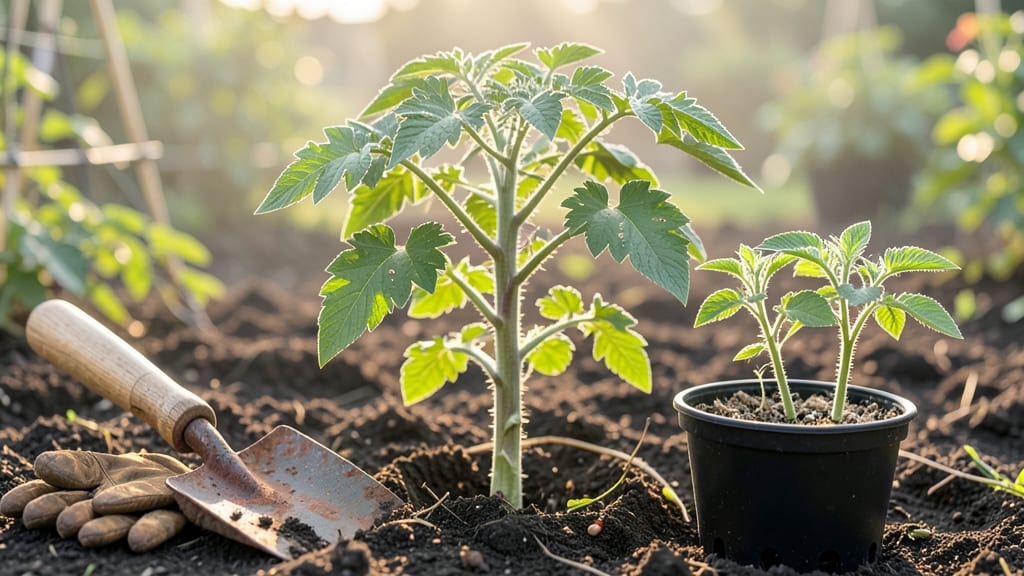
Planting tomatoes in Virginia isn’t just about grabbing a seed packet—it’s about timing your 🍅 harvest to perfection. The last frost date (usually around mid-April) isn’t the only factor; soil temperature and your local USDA zone (7a-8a) play a bigger role than you might think.
Get it wrong, and you’ll battle stunted plants, early blight, or—worse—miss the sweet, sun-ripened tomatoes Virginia summers are made for. But nail the schedule, and you’ll enjoy a bounty from June through October, even in humid Piedmont or coastal areas.
I’ll break down the exact windows for starting seeds indoors (yes, it’s worth it!) and transplanting seedlings, plus how to stretch your season with row covers or raised beds. Whether you’re a first-timer or a veteran gardener, these tips will help you avoid the most common mistakes.
Ready to grow tomatoes that outperform store-bought? Let’s dive into the heat-tolerant varieties and planting dates that’ll make your garden the talk of the neighborhood.
Virginia’s tomato planting calendar: exact dates by USDA Zone
Virginia’s climate varies dramatically from the Coastal Plain to the Piedmont and Mountains, so planting times differ by USDA Zone. Most gardeners fall in Zones 6b-8a, where the last frost typically arrives between mid-April and early May.
However, soil temperature—not air temperature—determines the true planting window. Aim for 60°F soil and nighttime temps above 50°F to avoid chilly roots.
For direct sowing (planting seeds outdoors), wait until late May to early June—this gives seedlings time to mature before summer heat arrives. Transplanting seedlings (purchased or homegrown) is safer and can start 2-4 weeks earlier, around mid-April in Zone 7b or early May in Zone 6b.
Use row covers or a mini greenhouse to extend your window if needed.
Here’s a region-specific breakdown of when to plant tomatoes in Virginia, including key dates for early, mid, and late varieties to stretch your harvest from June to October.
The Coastal Plain (Zone 8a) enjoys a longer growing season, while the Mountains (Zone 6b) face earlier frosts and shorter windows.
| USDA Zone | Last Frost Date | Transplant Seedlings | Direct Sow Seeds | First Harvest Window |
|---|---|---|---|---|
| Zone 6b (Mountains) | April 20–May 5 | May 1–15 | June 1–15 | Late July–October |
| Zone 7a (Piedmont) | April 10–20 | April 20–May 10 | May 15–June 1 | June–October |
| Zone 7b (Central VA) | April 1–10 | April 15–April 30 | May 1–May 15 | May–October |
| Zone 8a (Coastal Plain) | March 15–April 1 | March 30–April 15 | April 15–May 1 | April–November |
🌱 Pro Tip: Use heat-tolerant varieties (like 'Celebrity' or 'Solar Fire') to push harvests into late October.
If you’re eager for an early harvest, start seeds indoors 6-8 weeks before transplanting. Use grow lights or a sunny windowsill to avoid leggy seedlings. Hardening off (acclimating seedlings to outdoor conditions) for 7-10 days before transplanting reduces shock.
For container gardening, choose determinate varieties (bush types) like 'Patio' or 'Tiny Tim'—they thrive in 5-gallon pots and can be moved to sunnier spots as needed.
For extended harvests, plant successive crops every 2-3 weeks after your initial transplanting. This ensures a steady supply of tomatoes from June through October. In Zone 8a, you can even plant a fall crop in late July for a winter harvest before the first frost.
Just use black plastic mulch to warm the soil and row covers to protect against unexpected chilly nights.
Soil prep is critical—Virginia’s clay-heavy soil benefits from compost, aged manure, and a balanced fertilizer (like 10-10-10). Aim for a pH of 6.0–6.8 and amend beds 2–4 weeks before planting. Raised beds warm up faster in spring and improve drainage, making them ideal for early transplanting in cooler zones like 6b. Add mulch (straw or shredded leaves) after planting to retain moisture and suppress weeds—especially important during Virginia’s hot, humid summers.
Avoid planting too early—even if frost risk is low, cold soil can stunt root growth. Use a soil thermometer to confirm 60°F+ before planting. In Zone 6b, wait until mid-May for direct sowing to avoid blossom end rot (caused by calcium uptake issues in cool soil). For container growers, ensure pots have drainage holes and use a lightweight potting mix to prevent root rot in Virginia’s summer downpours.
First frost dates vary, but plan to harvest all tomatoes by mid-October in most zones. In Zone 8a, you can push this to late October with row covers or a cold frame. If frost threatens early, pick green tomatoes and ripen them indoors in a paper bag with a banana (the ethylene gas speeds up ripening). This trick works for heirloom varieties like 'Brandywine' that take longer to mature.
Best heat-tolerant tomato varieties for Virginia’s humid summers
Virginia’s sweltering summers and high humidity can turn tomato plants into wilted messes if you’re not careful—but the right varieties thrive here. Heat-tolerant tomatoes like 'Celebrity' and 'Solar Fire' handle Virginia’s 90°F+ days with ease, while disease-resistant hybrids fight off fungal issues like early blight and septoria leaf spot.
I’ve grown these in my own Piedmont garden, and they’ve consistently delivered juicy, flavorful fruit even when other plants struggle.
For container gardening or small spaces, cherry tomatoes like 'Sweet Million' are a game-changer—they ripen quickly and produce prolifically in 5-gallon pots. If you prefer heirlooms, 'Brandywine' (with its rich, beefsteak flavor) does well in Virginia’s climate when given extra care, though it may need row covers during heatwaves.
Let’s dive into the top 7 varieties that’ll make your garden the envy of the neighborhood.
🌱 Top Heat-Tolerant Tomato Varieties for Virginia
Pros: Disease-resistant, early producer, great for sauces
Cons: Smaller fruit, needs staking
Pros: Heat-tolerant, high yield, red fruit
Cons: Susceptible to cracking in heavy rain
Pros: Prolific cherry tomatoes, container-friendly
Cons: Needs frequent harvesting to encourage production
Pros: Disease-resistant, large fruit, great flavor
Cons: Needs full sun, tall growth
Pros: Heirloom flavor, beefsteak size
Cons: Needs extra care, slower to ripen
Pros: Perfect for sauces, heat-tolerant
Cons: Determinate growth (shorter plants)
Pros: Extremely heat-tolerant, high yield
Cons: Less flavorful than heirlooms
Pros: Sweet, orange cherry tomatoes
Cons: Needs consistent watering
🌿 Pro Tip: For best results, pair these varieties with mulch to retain moisture and cage or stake plants to improve airflow.
When selecting varieties, consider your growing method. Indeterminate tomatoes (like Celebrity or Brandywine) grow continuously and need trellising, while determinate varieties (like Roma or Sweet Million) bush out and are perfect for containers or smaller gardens.
I always plant a mix—3 indeterminate for slicing and 2 determinate for sauces—to ensure a steady harvest all season.
One mistake I see often? Skipping disease-resistant tags on seed packets. In Virginia’s humidity, 'VFN' (resistant to verticillium, fusarium, and nematodes) is a lifesaver. For example, 'Mountain Merit' (VFN) outperforms many heirlooms in my garden because it fights off the fungal spores that thrive in our climate.
If you’re new to tomatoes, start with hybrids like Celebrity or Solar Fire—they’re forgiving and productive.
For late-season harvests, try planting heat-tolerant varieties like 'Heatmaster' in early June. These varieties keep producing even as temperatures climb, giving you tomatoes well into October.
Just be sure to prune suckers regularly and water deeply in the morning to prevent blossom-end rot—a common issue in Virginia’s heat.
Finally, don’t overlook cherry tomatoes like 'Sweet Million' or 'Sun Gold'. They’re perfect for balcony gardens, raised beds, or even hanging baskets, and their sweet flavor makes them a crowd-pleaser.
I’ve had success growing them in 5-gallon fabric pots on my patio, where they ripen faster than larger varieties in the ground.
With the right varieties and a little extra care, you’ll be swimming in tomatoes from June through October, even in Virginia’s toughest heat. Happy planting! 🌱