
Plants
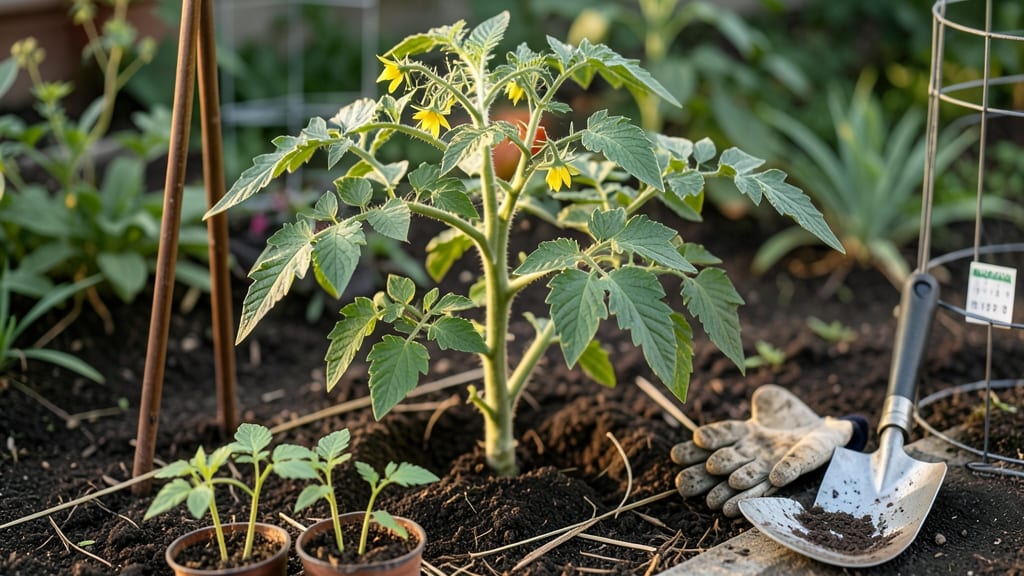
Timing when do you plant tomatoes in NJ isn’t just about avoiding frost—it’s about unlocking the full potential of your 🍅 harvest.
With New Jersey’s unpredictable spring weather, planting too early can leave your seedlings vulnerable to late frosts, while waiting too long might cut your harvest short before fall’s chill sets in.
I’ve seen firsthand how a well-timed planting can transform a garden from struggling to thriving. Whether you’re growing heirloom behemoths or quick-producing cherry varieties, understanding your local last-frost dates—and adjusting for microclimates—is the key to success. Let’s break down exactly when to plant for your specific region and tomato type.
Most gardeners in USDA Zones 6a-7b should wait until mid-April to early June, but there’s more to it than just dates. Soil temperature, variety maturity, and even your backyard’s sun exposure play critical roles.
I’ll show you how to navigate these factors so you can start planting with confidence—and avoid the heartbreak of wasted seeds.
Ready to turn your tomato dreams into a bountiful reality? Let’s dive into the perfect planting windows for North, Central, and South Jersey, plus pro tips to protect your plants from NJ’s infamous spring surprises.
New Jersey last-frost dates by region: best planting windows for tomatoes
New Jersey’s variable climate makes timing critical for tomato success. The last frost date shifts dramatically from North Jersey’s Zone 6a to South Jersey’s Zone 7a, with urban areas often frosting 1–2 weeks later than rural zones.
For example, Bergen County may still see frost in early May, while Cape May could be frost-free by late March. Always check local NJAES frost maps before planting.
Transplants—whether from nurseries or your own starts—should only go into the ground when soil temperatures consistently hit 60°F+.
Direct sowing tomatoes is not recommended in NJ due to their cold-sensitive nature, but if you’re experimenting, wait until after the last frost date and use row covers for protection.
Here’s how to align your planting with NJ’s three distinct regions, including microclimate adjustments for urban gardeners:
| Region | Average Last Frost Date (Spring) | Recommended Planting Window (Transplants) | Recommended Planting Window (Direct Sow) | Key Microclimate Notes |
|---|---|---|---|---|
| North Jersey (Zone 6a) | April 15–May 1 | May 10–20 (after soil warms to 60°F) | N/A (cold-sensitive) | Urban areas (e.g., Newark) may frost 1–2 weeks later; use row covers. |
| Central Jersey (Zone 6b) | April 1–15 | April 25–May 10 | N/A | Coastal areas (e.g., Jersey Shore) warm faster; monitor nighttime temps. |
| South Jersey (Zone 7a) | March 20–April 1 | April 1–15 (or earlier with protection) | N/A | Earliest in state; watch for late cold snaps (especially in Pine Barrens). |
In North Jersey, where frosts can linger until early May, I’ve learned to err on the side of caution by waiting until mid-May for heirloom varieties.
For Central Jersey, where the climate is more moderate, I plant cherry tomatoes as early as late April to take advantage of the longer growing season. South Jersey gardeners often get a head start, but I always keep row covers handy for unexpected late frosts.
Microclimates play a huge role in NJ. For instance, urban Newark can frost 10–14 days later than nearby rural Morris County due to the heat island effect.
If you’re in a valley or low-lying area, add 7–10 days to the average last frost date. Conversely, south-facing slopes warm up faster, allowing for earlier planting.
To stay ahead of NJ’s unpredictable weather, I recommend using season extenders like floating row covers or low tunnels. These can push your planting window back by 2–3 weeks, giving you a longer harvest season.
For example, I’ve successfully planted heirloom tomatoes in early April in Central Jersey using a hoop house, extending my harvest by nearly a month.
Pro tip: Use a soil thermometer to confirm readiness. Tomatoes won’t thrive in soil below 60°F, and seeds may rot if planted too early. In my garden, I’ve seen seedlings collapse when planted in 50°F soil—a costly lesson! Always wait for consistent warmth before committing.
For container gardening in NJ, follow the same rules but account for faster soil cooling in pots. I’ve had success with balcony tomatoes by moving containers to warmer microclimates (like near a south-facing wall) during cool spells. Just ensure your pots have drainage holes to prevent root rot.
Finally, don’t forget to plan for succession planting if you want a continuous harvest. In NJ’s short growing season, I stagger transplants every 2–3 weeks from May through June. This ensures I have tomatoes ripening from July through October, even as fall frosts approach.
Tomato variety planting guide: heirloom vs. cherry vs. beefsteak timing
Not all tomatoes are created equal—and in New Jersey’s variable climate, choosing the right variety can make or break your harvest. Heirlooms, cherries, and beefsteaks each have unique timing needs to thrive in NJ’s USDA Zones 6a–7b. Let’s break down when to plant each type for maximum success.
First, remember: Soil temperature matters more than air temperature. Tomatoes won’t germinate or grow well in cold soil, even if daytime highs feel warm. Use a soil thermometer to confirm 60°F+ before planting most varieties.
Heirloom Tomatoes (e.g., Brandywine, Cherokee Purple)
Plant 2–3 weeks after last frost (after May 1 in most of NJ). These long-season varieties need 90–120 days to maturity, so avoid early starts unless you’re using row covers or greenhouses to extend the season.
Cherry Tomatoes (e.g., Sweet 100, Sun Gold)
These fast-maturing varieties tolerate cooler soil (55–60°F), so you can plant them 1–2 weeks before heirlooms—think early May in Central/South Jersey. They mature in just 60–70 days, making them perfect for early harvests and container gardening.
Beefsteak Tomatoes (e.g., Big Beef, Arkansas Traveler)
These heat-loving giants need soil at 65°F+ to thrive, so wait until late May in North Jersey (Zone 6a). With 80–90 days to maturity, they’re best suited for late starts or longer growing seasons in South Jersey (Zone 7a).
Cold-Hardy Varieties for Early Starts
For early-season success, try ‘Stupice’ (an 80-day heirloom) or ‘Mountain Merit’ (a disease-resistant hybrid). Both can handle light frosts if protected with row covers or cloches, giving you a head start in April for South Jersey or early May in Central NJ.
Pro tip: If you’re starting seeds indoors, begin 6–8 weeks before your target transplant date. For example, if you’re planting heirlooms on May 15, start seeds around March 20–April 1. Use grow lights to prevent leggy seedlings, and harden off plants for a week before transplanting.
Finally, don’t forget that NJ’s short growing season demands smart planning. Pair early-maturing varieties (like ‘Early Girl’) with late-season extenders (like row covers) to maximize your harvest window.
With the right timing, you’ll be feasting on homegrown tomatoes from July to October—or even longer with a little extra care!