
Plants
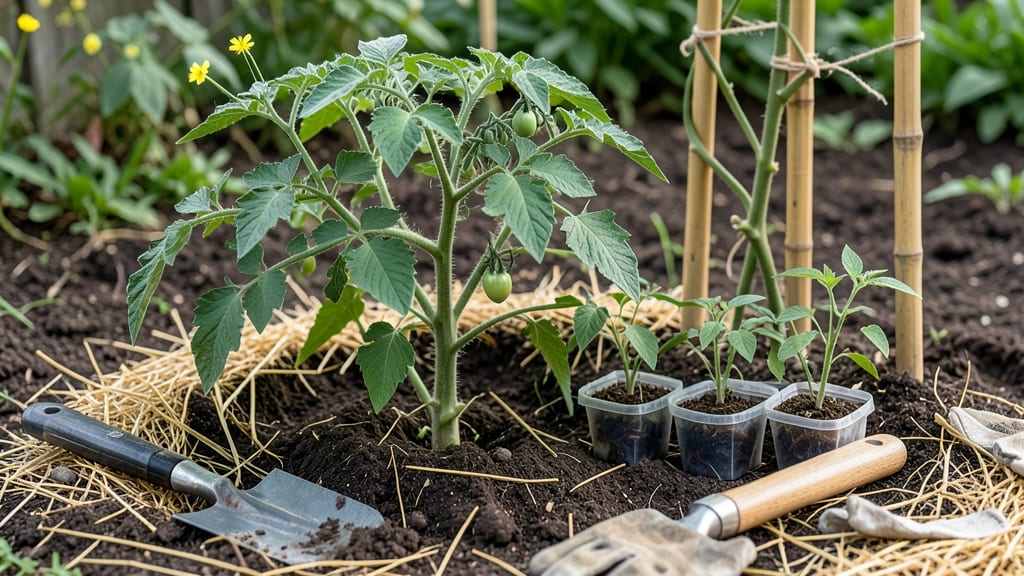
Timing when do you plant tomatoes in Indiana could mean the difference between a bountiful harvest and a sad, wilted disappointment. With last frost dates hovering around April 15 and a growing season that stretches until October, getting those seeds in the ground at the right moment is everything.
Most Indiana gardeners in USDA Zone 6a start their tomatoes indoors by March, giving them a head start before transplanting outdoors between mid-April and early June.
But here's the catch: soil temperature matters just as much as calendar dates—your tomatoes need that soil to hit at least 60°F to thrive.
In this guide, I'll break down the exact frost-proof planting timeline for your zone, including when to start seeds indoors, when to transplant, and how to push your season with smart techniques.
Whether you're a first-time gardener or a seasoned pro, these insights will help you grow healthier, more productive tomatoes.
Ready to turn your backyard into a tomato powerhouse? Let's dive into the strategies that work for Indiana's climate—and why getting the timing right is the key to success.
Indiana tomato planting deadlines by Zone 5-6 with frost dates
Indiana's USDA Zones 5-6 offer a short but productive growing season for tomatoes, but timing is critical. The average last frost date hovers around April 15, but microclimates—like urban heat islands or sheltered valleys—can shift this by 1-2 weeks.
For Zone 5 areas (northern Indiana), aim for mid-May transplants, while Zone 6 (southern Indiana) can start 2 weeks earlier.
Soil temperature matters more than air temperature. Tomatoes thrive when soil reaches 60°F+. Use a soil thermometer to confirm—cold soil stunts roots. In northern Indiana, wait until late May for outdoor planting, even if frost risk drops earlier. Southern Indiana gardeners can often plant by early May.
Here’s the frost-proof planting timeline based on Purdue Extension data and local records:
| Zone | Last Frost Date | Ideal Transplant Window | Soil Temp Requirement | Notes |
|---|---|---|---|---|
| Zone 5 (Northern IN) | April 15–May 1 | May 15–June 1 | 60°F+ | Use row covers for early starts |
| Zone 6 (Southern IN) | April 1–April 15 | April 20–May 10 | 60°F+ | Black plastic mulch warms soil faster |
| Both Zones | First Frost Risk | October 15 | N/A | Harvest before frost or use cold frames |
For early varieties (e.g., Early Girl or Stupice), start seeds indoors 6-8 weeks before transplanting. Use grow lights or a sunny windowsill—tomatoes need 12-16 hours of light daily to avoid leggy seedlings. Harden off seedlings for 7-10 days before moving them outdoors to prevent shock.
If you miss the ideal window, don’t panic. Late June plantings can still produce fruit if you choose heat-tolerant varieties like Heatmaster or Solar Fire. These varieties handle 90°F+ temperatures better than traditional types. Just be prepared for a shorter harvest season.
Pro tip: Monitor local forecasts via the National Weather Service or Purdue Extension for real-time updates. A late April frost can wipe out young plants, so have row covers ready. In urban areas, heat from buildings can create microclimates—plant 1-2 weeks earlier in these spots.
After transplanting, focus on mulching to retain soil warmth and moisture. Straw or black plastic works well in Indiana’s climate. Water deeply at the base of plants in the morning to avoid fungal diseases like blight, which thrives in damp foliage.
Remember, Indiana’s growing season is short—about 165 frost-free days. Plan accordingly: early varieties for June harvests, mid-season for July-August, and late varieties for September-October. With the right timing, you’ll enjoy homegrown tomatoes from mid-summer to fall!
How to extend your Indiana tomato season with smart planting strategies
Indiana’s short growing season can feel like a race against time, but with the right strategies, you can stretch your tomato harvest from June all the way to October. The key is working with—not against—the climate.
Whether you're dealing with late spring frosts or early fall chills, these techniques will help you push your planting windows and protect your plants.
One of my favorite tricks is using black plastic mulch to warm the soil faster. This simple step can shave 1-2 weeks off your planting timeline by raising soil temperatures to the ideal 60°F+ range. Plus, it suppresses weeds and retains moisture—three benefits for the price of a roll!
🌱 5 Smart Strategies to Extend Your Indiana Tomato Season
- 1. Start seeds indoors by March 1 for early varieties, giving you a 4-6 week head start before transplanting.
- 2. Use row covers to protect young plants from late frosts (April 15+) while still allowing sunlight and airflow.
- 3. Try cold frames for a 2-3 week earlier start—perfect for heat-loving varieties like 'Celebrity' or 'Better Boy'.
- 4. Plant heat-tolerant varieties like 'Solar Fire' or 'Heatmaster', which thrive in Indiana’s summer heat (85°F+).
- 5. Succession plant every 2 weeks from April to June to stagger harvests and extend your season.
For gardeners in Zone 5, where frosts linger longer, consider a mini greenhouse or even a repurposed plastic storage bin with a clear lid. These low-cost setups can create a 10°F warmer microclimate, letting you plant 3-4 weeks earlier than the average last frost date.
Don’t overlook late-season varieties either. Fast-maturing types like 'Early Girl' (55 days) or 'Stupice' (50 days) are perfect for June plantings and can produce fruit before the first frost hits in mid-October. Pair these with drip irrigation to keep plants hydrated during Indiana’s unpredictable summer showers.
Finally, watch for microclimates in your yard—south-facing slopes warm up faster, while low-lying areas stay cooler. Use these natural advantages to plant heat-lovers early or extend fall harvests by choosing sheltered spots for late-season tomatoes.
With these strategies, you’ll turn Indiana’s 165-day growing season into a tomato-producing powerhouse—no matter what Mother Nature throws your way. 🌱