
Plants
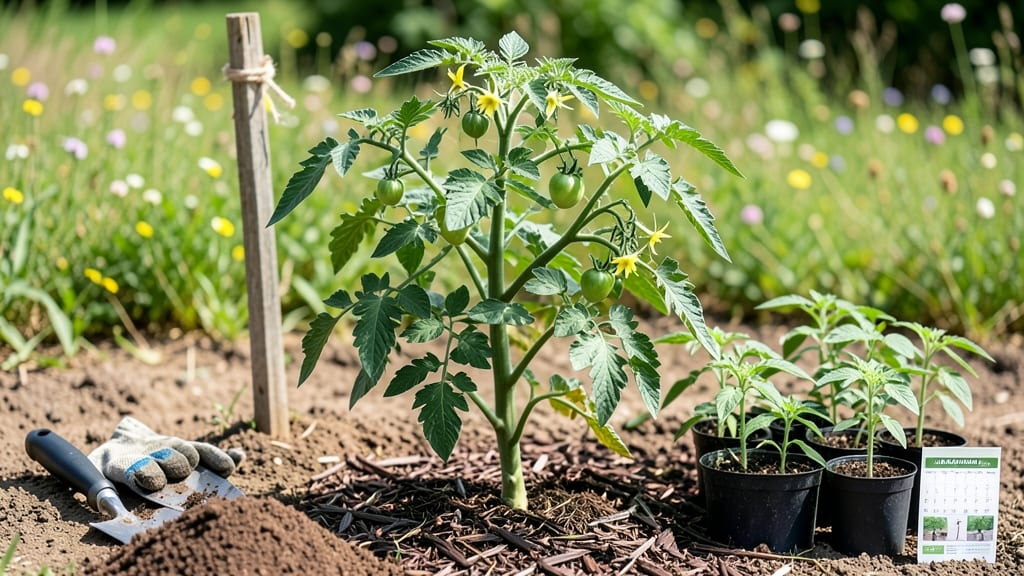
Planting your 🍅 tomatoes at the wrong time in Indiana can mean the difference between a bumper crop and a sad, wilted garden. The best time isn’t just about waiting for that last frost date—it’s about soil warmth, local microclimates, and the right variety for your zone.
Indiana’s USDA Zone 6a climate means you’ve got a short window to get those tomato seeds in the ground or seedlings transplanted before the heat sets in.
Too early, and a late frost will zap your plants. Too late, and you might miss out on the July-October harvest you’ve been dreaming of.
I’ve learned the hard way that checking the calendar isn’t enough—you’ve got to watch for soil temperatures hitting 60°F and those first signs of spring like blooming daffodils. Whether you’re starting seeds indoors or buying transplants, timing is everything.
Let’s break down the exact steps to nail your planting schedule, from verifying frost-free dates to choosing the perfect tomato varieties for Indiana’s short but sweet growing season.
Indiana’s tomato planting timeline by Zone: frost dates & soil temperature rules
Indiana’s USDA hardiness zones 5-6 create a tight window for planting tomatoes—too early and frost zaps seedlings, too late and you miss peak production.
The average last frost date ranges from April 15 in southern Indiana to May 1 in northern zones, but soil temperature matters more than calendar dates.
Tomatoes need soil temperatures above 55°F to germinate and 60°F+ for optimal growth. Cold soil slows root development, leaving plants vulnerable to disease. In northern Indiana (Zone 5), wait until May 10-20 unless you use row covers to extend the season.
Southern Indiana gardeners (Zone 6) can plant as early as April 20, but always verify with your local NOAA frost data. Check NOAA’s Climate Data for your county’s 10-year averages—some years, frost lingers into May.
🌱
| Zone | Last Frost Date | Planting Window | Soil Temp Threshold | Notes |
|---|---|---|---|---|
| 5a (Northern IN) | May 1 | May 10–20 | 60°F+ | Use row covers for early starts |
| 5b (Central IN) | April 25 | April 25–May 10 | 55°F+ | Black plastic mulch warms soil faster |
| 6a (Southern IN) | April 15 | April 15–25 | 50°F+ (for early varieties) | Longer growing season—plant twice |
For Indiana’s Zone 5, I recommend starting transplants indoors in March (6-8 weeks before last frost) to give seedlings a head start. Use grow lights for 14-16 hours/day to prevent leggy growth. Harden off seedlings for 7-10 days before transplanting after May 10.
In Zone 6, you can direct-sow seeds after April 15 if soil is warm enough. For faster germination, soak seeds overnight in lukewarm water and use biodegradable seed starter pots to avoid root disturbance.
Pro tip: Test soil temperature with a soil thermometer (insert 2 inches deep). If it’s below 55°F, cover beds with black plastic mulch 1-2 weeks before planting to accelerate warming. This can shave 7-10 days off your planting timeline.
🌡️
Don’t rely on calendar dates alone. Monitor your local weather forecasts and use frost-sensitive plants (like marigolds) as indicators. If marigolds bloom without wilting, your tomatoes are safe to plant. For extra protection, use frost cloth for the first 2 weeks after transplanting.
In northern Indiana, consider staggered planting: start with early varieties (like ‘Stupice’) in early May, then add mid-season types (like ‘Celebrity’) 2 weeks later. This extends your harvest from July to October.
☀️
5 Signs your Indiana soil is ready for tomatoes (beyond calendar dates)
Checking the calendar for Indiana’s average last frost date (around April 15) is a good start, but your tomato plants won’t thrive until the soil is truly ready. Cold soil can stunt roots and delay growth, even if the air feels warm.
Over the years, I’ve learned to trust these 5 soil readiness signs more than any date on the calendar.
First, dig down 4-6 inches into the soil—if it feels cooler than 60°F, your tomatoes will struggle. Use a soil thermometer for accuracy, especially in northern Indiana’s Zone 5b areas where soil warms more slowly.
A quick test: press your finger into the soil—if it feels like a chilled yogurt, it’s not ready yet.
🌱
| Sign | What to Look For | Action |
|---|---|---|
| Soil Temperature | 60°F+ at 4" depth | Use a thermometer; wait if cooler |
| Leaf Litter | Decomposed within 2 weeks | Remove old mulch; add compost |
| Daffodils | Blooming in your yard | Signal for safe planting |
| Soil Moisture | Drains within 24 hours | Amend with sand if clay-heavy |
| Earthworms | Active in top 6 inches | Healthy soil = faster root growth |
Next, watch for daffodils blooming in your yard—a foolproof sign that the ground has warmed enough for tomatoes. In southern Indiana (Zone 6a), this usually happens by early April, but northern areas may need to wait until mid-May.
I also check for active earthworms in the top 6 inches of soil—they’re a sign of healthy, warm soil perfect for tomato roots.
If your soil feels cold or soggy, don’t panic. Spread black plastic mulch 2-3 weeks before planting to raise soil temperatures by 5-10°F. For raised beds, mix in compost or aged manure to speed up warming.
I’ve seen soil temperatures jump from 50°F to 70°F in just 10 days with these tricks!
Finally, test your soil’s drainage by digging a hole, filling it with water, and timing how long it takes to drain. Tomatoes hate soggy roots—water should disappear within 24 hours. If your soil drains slowly, mix in coarse sand or perlite to improve aeration.
Pro tip: Plant on a mound or hill to prevent waterlogging in heavy clay soils common across Indiana.
🌿