
Flowers
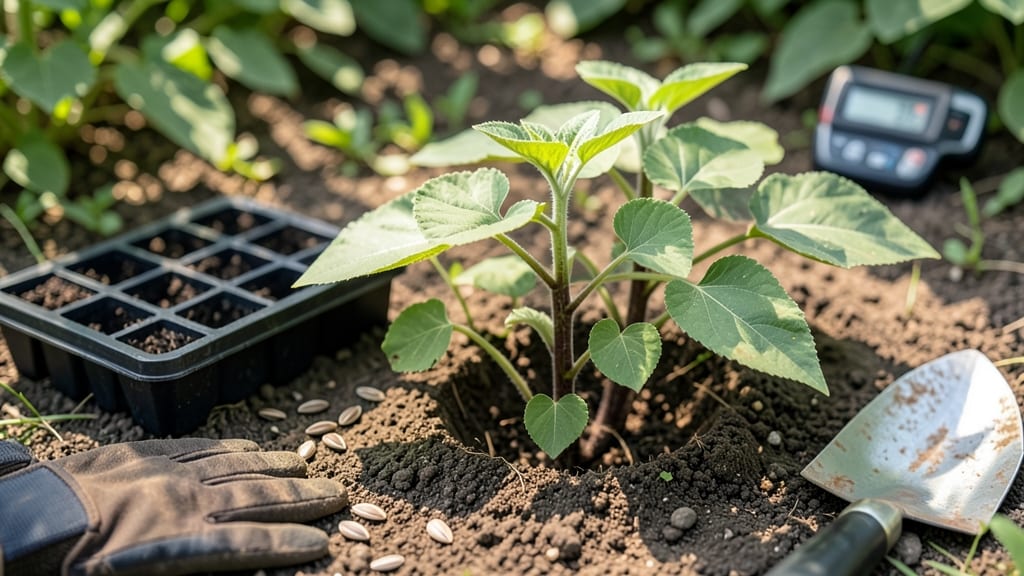
Planting sunflowers in Tennessee at the wrong time can turn your bright dreams of towering 🌻 into a sad, shriveled disappointment—but getting the timing right transforms your garden into a golden masterpiece.
With USDA zones 6a-7b and 180-210 frost-free days, Tennessee offers the perfect climate for sunflowers, but knowing exactly when to plant makes all the difference.
Most gardeners in Tennessee wait until mid-April to early June after the last frost to sow sunflower seeds, but the best window depends on your specific region. Whether you're in Nashville, Chattanooga, or Memphis, planting too early risks frost damage, while waiting too long can cut your blooming season short.
In this guide, I’ll break down the ideal planting windows by heat zone, share pro tips for soil prep and spacing, and help you avoid common pitfalls like pests and poor soil drainage.
You’ll learn how to maximize your sunflowers’ height—from 4-foot dwarfs to 15-foot giants
Ready to grow sunflowers that reach their full potential? Let’s dive into the exact steps to plant, nurture, and harvest your zero-frost blooms this season.
Tennessee heat-zone map: best planting months by region for sunflower success
Tennessee’s diverse climate—spanning USDA zones 6a to 7b—means your sunflower planting timeline should match your specific region. The last average frost date in most of Tennessee falls between mid-April and early May, but mountain areas like Great Smoky Mountains can see frost until May 15.
Meanwhile, cities like Memphis and Nashville typically enjoy frost-free soil by March 20, giving you an earlier start.
For maximum bloom time, aim to plant sunflower seeds 2-3 weeks after your last frost date. This ensures seedlings emerge when soil temperatures consistently stay above 50°F (10°C).
In northern Tennessee (zones 6a-6b), this usually means mid-April to early May, while southern zones (7a-7b) can start as early as late March.
Here’s how your region breaks down for optimal planting:
If you’re in zone 7b or warmer, you can even squeeze in a fall planting for late-season blooms. Direct-sow seeds in early August to give them 60-80 days to mature before the first frost. Just be prepared for shorter stems—fall sunflowers focus energy on seed production rather than height.
For microclimates, like valleys or urban heat islands, adjust by 1-2 weeks earlier. These areas warm up faster, so monitor soil temperatures with a thermometer—sunflowers need warm soil (60°F+) to germinate reliably. If your soil is still chilly, use black plastic mulch to speed up warming.
Pro tip: Start seeds indoors 2-3 weeks before your outdoor planting window if you’re eager for earlier blooms. Use biodegradable pots to avoid transplant shock when moving seedlings outdoors. Just remember—sunflowers hate being transplanted, so handle seedlings gently by their leaves, never the stems.
Once planted, sunflowers are low-maintenance, but their first 30 days are critical. Thin seedlings to 12-24 inches apart (depending on variety) to prevent overcrowding, which leads to pale, leggy stems.
In Tennessee’s humid summers, watch for powdery mildew—space plants properly and water at the base to keep foliage dry.
🌻
Sunflower varieties that thrive in Tennessee’s climate: fast-growing vs. tall bloomers
Choosing the right sunflower variety for Tennessee’s USDA zones 6a-7b can make the difference between a 4-foot dwarf and a 15-foot giant. With only 180-210 frost-free days, selecting fast-maturing varieties ensures you’ll enjoy those golden blooms before the first frost in mid-October.
Tennessee’s hot summers and humid climate favor varieties that tolerate heat and drought once established. Whether you’re growing sunflowers for cut flowers, birdseed, or just backyard beauty, the right variety aligns with your planting timeline and space constraints.
Here’s how to match sunflower varieties to Tennessee’s growing season and your garden goals:
For Tennessee gardeners with short growing seasons, I recommend starting with Moulin Rouge or Teddy Bear—both mature in 50-55 days and thrive in full sun.
If you’re aiming for dramatic height, plant Russian Giant in mid-April to give it enough time to reach its 10-15 foot potential before frost.
Pro tip: Pair Autumn Beauty with dwarf varieties for a layered look. The Autumn Beauty’s multi-colored blooms extend your season from late summer to early fall, while the dwarfs add early color and pollinator appeal.
Remember, Tennessee’s clay-heavy soils can slow germination, so pre-soak seeds for 4-6 hours before planting. And if you’re in Zone 6a (like East Tennessee), opt for early-maturing varieties to avoid frost damage.