
Plants
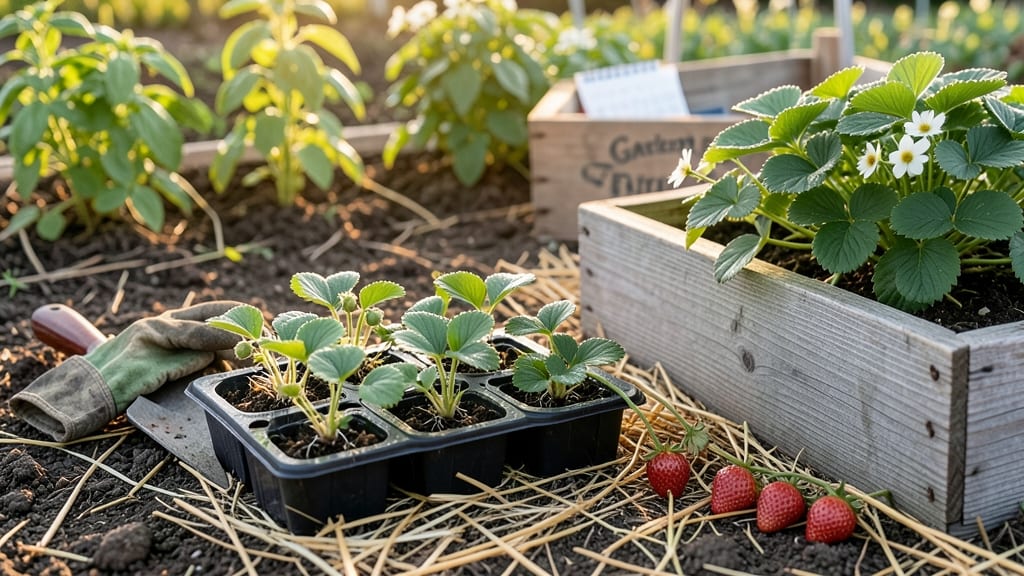
Timing your strawberry planting in Ohio is the key to avoiding frost damage and maximizing your harvest—especially when you're dealing with 6a zone challenges. Whether you're working with June-bearing varieties or everbearing types, getting the schedule right means the difference between a bountiful 🍓 patch and a wasted effort.
Ohio's unpredictable spring weather can throw off even the most experienced gardeners, but there's a perfect window to plant—typically March to April for early spring or late summer for a fall crop.
The goal is to beat the last frost date (usually around April 15) while giving your plants enough time to establish roots before summer heat sets in.
I'll walk you through the exact planting schedule for Ohio's most popular strawberry varieties, including how to adjust for late frosts and regional differences between northern and southern parts of the state.
You'll learn why soil temperature matters just as much as air temperature, and how to protect your young plants when Mother Nature throws curveballs.
By the end, you'll have a clear, step-by-step plan to plant your strawberries at the ideal time—whether you're starting with bare-root plants, potted varieties, or even June-bearing types. Let's make sure your Ohio garden gets off to the best possible start!
Ohio strawberry planting calendar: best months by variety type
Ohio’s USDA Zones 5-7 mean your strawberry planting window is tight—just 4-6 weeks before the last frost (typically mid-April). But timing varies dramatically between June-bearing, everbearing, and day-neutral varieties. Get this wrong, and you’ll either lose plants to frost or miss your harvest window entirely.
For June-bearing varieties (like ‘Jewel’), aim for early March to mid-April—they need 8-10 weeks of cool weather to establish roots before fruiting. Everbearing types (such as ‘Honeoye’) are more flexible, with a March-April window for spring harvests and a late summer option for fall fruit.
Meanwhile, day-neutral varieties (like ‘Seascape’) can handle late spring to early summer planting.
Southern Ohio’s warmer microclimates (like Columbus) may push planting back 1-2 weeks compared to colder northern areas (near Cleveland or Toledo). Always check your local frost-free date—it’s your planting deadline.
| Variety Type | Best Planting Window | Frost Risk | Harvest Time | Ohio Notes |
|---|---|---|---|---|
| June-Bearing | Early March–Mid-April | High (late frosts) | June–July | Needs cool roots; mulch heavily. |
| Everbearing | March–April OR August | Moderate (spring) / Low (fall) | June + September | Fall planting extends harvest season. |
| Day-Neutral | Late April–Early June | Low (mature plants tolerate heat) | June–Frost | Best for container gardening. |
🌱 Pro Tip: Soil should be 40°F+ at 4" depth before planting.
If you’re planting bare-root strawberries, soak roots in lukewarm water for 30 minutes before setting them in well-draining soil. For potted varieties, transplant as soon as roots fill the container—usually late March to early April. Both methods require 6+ hours of sun daily to thrive.
Ohio’s Lake Erie region often sees late spring frosts (even into May), so delay planting there until mid-April. In contrast, southern Ohio (like Athens) can plant as early as late February for early varieties. Always monitor soil temperature—it’s more critical than air temperature for strawberry success.
For June-bearing varieties, mulch with straw immediately after planting to insulate roots and prevent soil temperature spikes. Everbearing types benefit from a second mulch layer in late summer to protect fall fruit. Day-neutral varieties are the most forgiving but still need consistent moisture during Ohio’s hot, dry summers.
Remember: Planting too early risks frost damage, while planting too late delays fruiting. Use row covers if late frosts threaten—just remove them when flowers appear to allow pollination. With the right timing, your Ohio strawberry patch can yield pounds of sweet fruit in just one season!
Next, we’ll cover how to adjust for Ohio’s unpredictable weather, including mulching tips and frost protection hacks to safeguard your young plants. Stay tuned!
How to adjust planting for Ohio’s unpredictable spring weather
Ohio’s spring weather is famously unpredictable, with late frosts striking even after the official last frost date. If you plant your strawberries too early, a 28°F night can kill tender new growth.
But planting too late means missing the optimal 60-day window before summer heat sets in. The key is flexibility—adjusting your schedule based on soil temperature, frost forecasts, and your specific strawberry variety.
For June-bearing varieties, aim to plant 4-6 weeks before the average last frost (typically mid-April), but delay if soil temps stay below 45°F. Use a soil thermometer to check—roots won’t establish properly in cold soil.
If your area is prone to late frosts (like northeast Ohio near Lake Erie), consider a cold-frame or row covers for extra protection.
Here’s the critical rule: Never plant when nighttime temps dip below 35°F, even if daytime highs are warm. Young strawberry plants are extremely frost-sensitive, and damage can take weeks to recover.
If a frost warning hits after planting, cover your beds with burlap or frost cloth immediately. Pro tip: Plant everbearing varieties slightly later (late April) since they’re slightly more frost-tolerant than June-bearing types.
🚨 Late Frost Warning: What to Do If Spring Surprises You
Signs of frost damage: Blackened leaves, mushy stems, or wilting despite warm days.
Immediate actions:
- Cover plants with frost cloth or blankets before sunset.
- Remove covers by 10 AM to avoid overheating.
- Water deeply the day before frost to protect roots.
Long-term fix: Shift planting to late April or use high tunnels for early varieties.
Rainfall is another Ohio wildcard. Overly wet soil in early spring can delay planting by keeping beds muddy and compacted. If you’re stuck waiting, use the time to amend your soil with compost or aged manure—strawberries thrive in well-draining, slightly acidic soil (pH 5.5-6.5).
For container-growing, plant in late April when soil warms up faster in pots. If you’re in southern Ohio (like USDA Zone 7 areas), you can push planting to early March, but monitor frost alerts closely.
Don’t forget about backup planting dates. If a late frost wipes out your early crop, everbearing varieties can often rebound with a smaller harvest. For June-bearing types, consider a late-summer planting (August) for a fall crop—just be ready to protect them from early October frosts.
The Ohio State University Extension recommends tracking microclimate differences: Valley areas (like Athens) may frost later than hilltops (like Cleveland).
Finally, mulch is your best friend in Ohio’s erratic spring. Apply straw or pine needles after planting to insulate roots and retain moisture. This buffer helps plants recover faster from temperature swings.
For bare-root strawberries, soak roots in water for 2 hours before planting to reduce transplant shock—especially critical if you’re planting on a cool, rainy day. With these adjustments, you’ll turn Ohio’s weather quirks into a strategic advantage for your strawberry patch.