
Plants
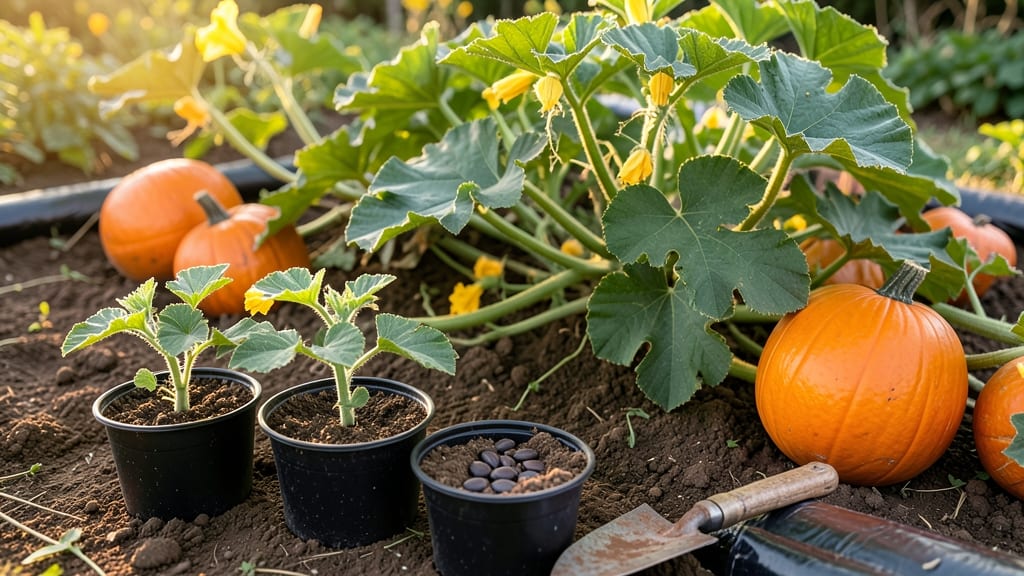
If you're wondering when do you plant pumpkins in South Carolina for the best results, the answer lies in timing—because getting it wrong can mean small, underdeveloped fruits or even a frost-killed harvest.
The secret to a thriving pumpkin patch is balancing your region’s last frost dates with the pumpkin’s 90-day growth cycle.
For gardeners in South Carolina’s 7b-8a zones, the coastal and Piedmont regions offer slightly different windows for planting pumpkins. While the general rule is to plant after the last frost—typically late March to early April—coastal areas may need to adjust for humidity and potential hurricane risks.
Meanwhile, Piedmont gardeners can often push their planting a bit later, thanks to slightly cooler nights and more predictable weather patterns.
In this guide, I'll break down the exact planting schedule tailored to your specific location, whether you're in Charleston or Greenville. You'll learn how to time your seeds for maximum growth, which varieties thrive best in your zone, and how to protect your pumpkins from South Carolina's unpredictable weather.
Let's get your pumpkin patch off to a strong start.
By mastering these planting strategies, you'll not only avoid common mistakes but also ensure your pumpkins grow big, healthy, and ready for harvest by late summer or early fall. Whether you're growing them for carving or cooking, the right timing is the most important step to success.
Let's dive into the details so you can enjoy a harvest that rivals the pros.
Optimal pumpkin planting dates in South Carolina by region (coastal vs Piedmont)
South Carolina’s diverse climate zones create distinct planting windows for pumpkins. The coastal region (USDA zones 8a-9a) enjoys longer growing seasons, while the Piedmont (7b-8a) faces earlier frosts. Timing your plantings correctly ensures your pumpkins mature before first frost—typically mid-November—while avoiding springtime cold snaps.
For both regions, pumpkins thrive with warm soil temperatures above 60°F. Use a soil thermometer to confirm readiness—cooler soils delay germination. In the Piedmont, wait until late April to early May when nighttime temperatures consistently stay above 55°F.
Coastal gardeners can start slightly earlier, around mid-April, thanks to milder winters.
Here’s the breakdown of ideal planting windows for each region, including backup schedules for unpredictable weather:
| Region | Primary Planting Window | Backup Window (Late Start) | Soil Temp Requirement | Last Frost Date |
|---|---|---|---|---|
| Coastal (Zones 8a-9a) | Mid-April to early May | Late May (for fall harvest) | 60°F+ | Mid-March |
| Piedmont (Zones 7b-8a) | Late April to early May | Early June (risky, but possible) | 60°F+ | Late March |
Pumpkins need 90–120 days to mature, so coastal gardeners can push the envelope with late May plantings for a fall harvest. However, Piedmont gardeners should avoid planting after early June—vines won’t reach maturity before frost.
For both regions, direct-sow seeds after the last frost date rather than starting indoors, as pumpkin seedlings hate transplanting.
Pro tip: Use black plastic mulch to warm soil faster in cooler Piedmont areas. This technique can shave off 1–2 weeks from your planting timeline by raising soil temperatures by 5–10°F. Just lay the mulch 1–2 weeks before planting to let it heat up.
If you’re growing ornamental pumpkins (like Cinderella or Jackpot), prioritize early planting—these varieties need the full 120-day window. For small eating varieties (e.g., Howden), you can stretch to a late May start in coastal zones, but Piedmont gardeners should stick to the early May window.
Remember: Pumpkin vines spread 10–20 feet wide, so plan your garden layout accordingly. Allocate 4–6 feet of space per plant to prevent overcrowding, which leads to blossom end rot and poor fruit development. Mark your rows with stakes or flags to avoid accidentally disturbing the sprawling vines.
For coastal gardeners, consider a second planting in late July for a late-summer harvest. This works because the region’s longer frost-free season (up to 240 days) allows time for vines to mature before mid-November frosts.
Just be prepared to protect young plants with row covers if a cold snap hits.
In both regions, monitor local weather forecasts for hurricane season (June–November). Coastal areas may need to relocate pumpkins to higher ground if storms threaten. Elevate mounds or use raised beds to improve drainage and reduce rot risk from heavy rains.
Optimal pumpkin planting dates in South Carolina by region (coastal vs Piedmont)
South Carolina’s coastal and Piedmont regions have distinct planting windows for pumpkins due to their different microclimates. Coastal areas like Charleston experience milder winters but higher humidity, while Piedmont regions like Greenville have cooler nights and slightly later frost dates.
Understanding these differences is key to avoiding frost damage or missed harvests.
For coastal South Carolina, the ideal time to plant pumpkin seeds is between March 20 and April 10. This window accounts for the region’s average last frost date of March 15, with soil temperatures reaching the 60°F minimum pumpkins need to germinate.
In the Piedmont, where frosts linger slightly longer, aim for April 1 to April 20 to align with the region’s last frost around March 25.
Here’s how these planting windows break down for maximum success:
| Region | Last Frost Date | Ideal Planting Window | Soil Temp Requirement | Harvest Window |
|---|---|---|---|---|
| Coastal (e.g., Charleston) | March 15 | March 20 – April 10 | 60°F+ | Late August – October |
| Piedmont (e.g., Greenville) | March 25 | April 1 – April 20 | 60°F+ | Late August – October |
If you’re growing large pumpkin varieties like 'Atlantic Giant,' plant even earlier—by March 1 in coastal areas—to give vines enough time to sprawl and produce 100+ pound fruits.
Smaller varieties like 'Jackpot' can tolerate slightly later plantings, but avoid starting seeds after April 30, as vines may not mature before the first frost in November.
For a fall harvest, some gardeners opt for a late summer planting (around July 15) to enjoy pumpkins by Halloween. However, this requires using fast-maturing varieties (like 'Cinderella') and monitoring for early frost warnings in October.
Coastal areas benefit most from this strategy due to their longer growing season.
Pro tip: Use black plastic mulch to warm soil faster in cooler Piedmont regions, or opt for row covers if late frosts threaten your coastal plantings. Timing isn’t just about dates—it’s about preparing your soil and protecting your plants from South Carolina’s unpredictable weather.