
Plants
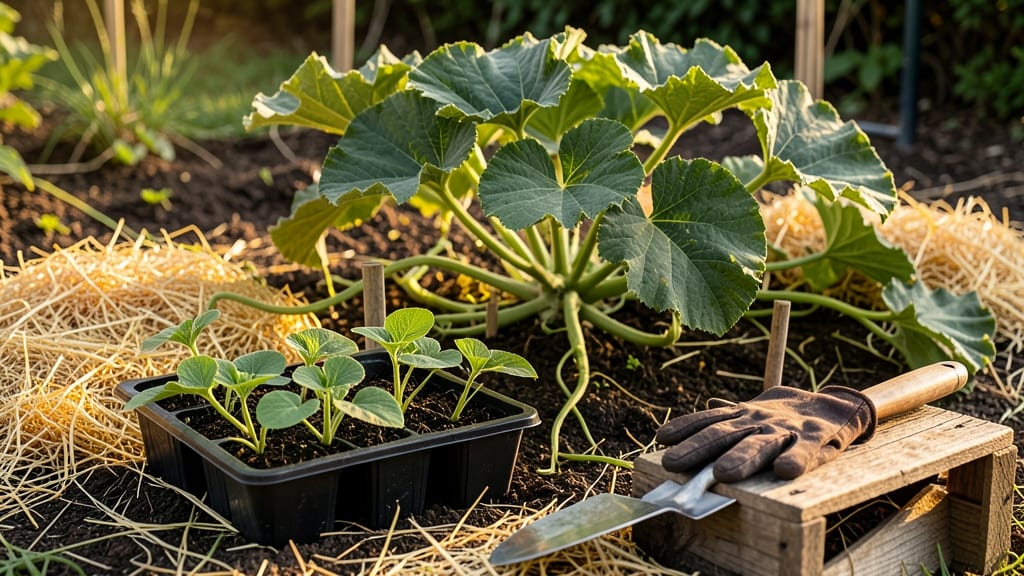
If you're dreaming of a bountiful pumpkin harvest this fall in Kansas, timing your planting is the most important step—and getting it wrong could mean tiny gourds or no harvest at all.
The perfect window depends on your USDA zone, soil warmth, and even last frost dates, which can vary by 1-2 weeks across the state.
Most Kansas gardeners plant pumpkin seeds in late May to early June, once the soil reaches a steady 60°F and nighttime temperatures stay above 50°F.
But whether you're in western Kansas (Zone 6) or eastern (Zone 7), a few extra weeks of warmth can make all the difference between thriving vines and struggling seedlings.
This guide will break down the exact timing for your region, plus pro tips for choosing the right varieties—whether you want compact bush types or sprawling vining pumpkins. We'll also cover how to prep your soil and avoid common mistakes that rob Kansas gardeners of their best harvests.
Ready to grow pumpkins that rival the giant varieties at the state fair? Let’s get you planted at the ideal moment for your corner of Kansas.
Best pumpkin planting months in Kansas: frost dates and hardiness zones
Kansas’ diverse climate—spanning USDA Zones 5-7—means pumpkin planting dates vary by region. In northern Kansas (Zone 5), you’ll need to wait until late May for safe planting, while southern Kansas (Zone 7) gardeners can start as early as mid-April.
The key is planting when soil temperatures hit 60°F (15°C) and the last frost date has passed.
Pumpkins thrive with 90-120 frost-free days, so timing is critical. A late start in Zone 5 risks immature fruit before winter, while Zone 7 gardeners can stretch their season with longer-maturing varieties like 'Howden' or 'Jack Be Little'.
Always check your local National Weather Service for frost forecasts—Kansas’ unpredictable spring weather can shift windows by weeks.
For direct sowing, aim for 2-4 weeks after your last frost date. If you’re transplanting seedlings, wait until they’re 2-3 weeks old and hardened off. Kansas’ variable spring rains can delay planting, so have a backup plan for container growing if soil stays too wet.
Soil temperature matters more than air temperature. Use a soil thermometer to confirm readiness—pumpkin seeds won’t germinate below 55°F (13°C). In western Kansas, where drought is common, prioritize well-draining soil to prevent seed rot.
Eastern Kansas’ richer soil can handle slightly cooler temps, but never plant when frost is forecast within 2 weeks.
| Kansas Region | USDA Zone | Last Frost Date | Ideal Planting Window | Soil Temp Threshold |
|---|---|---|---|---|
| Northern Kansas | 5 | Mid-May | Late May to Early June | 60°F (15°C) |
| Central Kansas | 6 | Early May | Mid-May to Late May | 58°F (14°C) |
| Southern Kansas | 7 | Late April | Mid-April to Early May | 55°F (13°C) |
| Western Kansas | 6-7 | Early May | Late May to Early June | 62°F (17°C) + |
If you’re growing bush varieties like 'Sugar Pie', you can push the envelope slightly earlier—these mature in 75-80 days vs. 90-120 days for vining types. For Jack-o'-lantern pumpkins, wait until after Memorial Day in most of Kansas to avoid frost damage to young vines.
Always monitor 7-day forecasts—a late frost in June can still threaten tender seedlings.
Pro tip: Use black plastic mulch to warm soil faster in cooler regions. This can shave 1-2 weeks off your planting window by raising soil temps by 5-10°F.
In southeastern Kansas, where humidity is higher, opt for raised beds to improve airflow and reduce fungal risks like powdery mildew.
For container growing in urban Kansas areas, start seeds 4-6 weeks before your last frost date. Use 5-gallon pots for bush types or 15-gallon containers for vining varieties. Containers warm up faster than ground soil, giving you a 2-week head start in cooler zones.
Remember: Kansas’ variable weather means flexibility is key. If your seedlings emerge in cool, wet springs, consider using row covers to protect them until soil warms. The goal is to have vines established and flowering by July 1st—this gives fruit enough time to mature before fall frosts arrive.
🌱
How to time pumpkin planting for maximum yield: soil prep and transplant tips
Timing your pumpkin planting isn’t just about the calendar—it’s about soil readiness and seedling strength. In Kansas, where spring temperatures swing wildly, preparing your soil 2-3 weeks before planting ensures your seeds germinate quickly and vines establish before summer heat arrives.
Start by testing your soil’s pH (6.0-6.8 is ideal)—Kansas’ clay-heavy soils often need compost or lime to improve drainage and fertility.
For direct sowing, which is best for Kansas’ short season, wait until soil reaches 60°F (15°C) at a depth of 4 inches. Use a soil thermometer—pumpkin seeds won’t sprout below 55°F (13°C).
In western Kansas, where drought is common, mix organic matter like peat moss into beds to retain moisture. Eastern Kansas’ richer soils benefit from aged manure or a balanced 5-10-10 fertilizer worked in 2 weeks before planting.
- 🌱 Test soil pH (aim for 6.0-6.8)
- 🪴 Amend with compost (2-3 inches mixed into top 6 inches)
- 💧 Water deeply 2 days before planting
- ☀️ Choose full-sun spots (6+ hours daily)
- ✂️ Clear weeds/debris from planting area
If you’re starting seeds indoors (4-6 weeks before last frost), use biodegradable pots to avoid transplant shock. Harden off seedlings by placing them outside for 2-3 hours daily starting 1 week before transplanting.
Kansas’ windy springs can stress young plants, so stake seedlings or use row covers until vines are 6 inches tall. For transplanting, dig holes twice as wide as the root ball and water deeply to settle soil.
Pro tip: Plant seeds 1 inch deep and 2-3 feet apart for bush varieties, or 4-6 feet apart for vining types like 'Atlantic Giant'. In southern Kansas (Zone 7), where summers are hotter, space rows 8 feet apart to improve airflow and reduce disease.
Use drip irrigation to keep soil consistently moist—pumpkins need 1-2 inches of water weekly, but avoid overhead watering to prevent fungal issues.
For container growing in urban Kansas, select 5-gallon pots for bush types or 15-gallon containers for vining varieties. Fill pots with a mix of 50% potting soil and 50% compost, and place them in south-facing locations for maximum sunlight.
Containers warm up faster than ground soil, giving you a 2-week head start in cooler regions like northern Kansas (Zone 5).
Remember: Kansas’ unpredictable weather means flexibility is key. If your seedlings emerge in cool, wet springs, use row covers to protect them until soil warms. The goal is to have vines established and flowering by July 1st—this gives fruit enough time to mature before fall frosts arrive.
With the right prep, your pumpkins will thrive even in Kansas’ variable climate.
🌿