
Plants
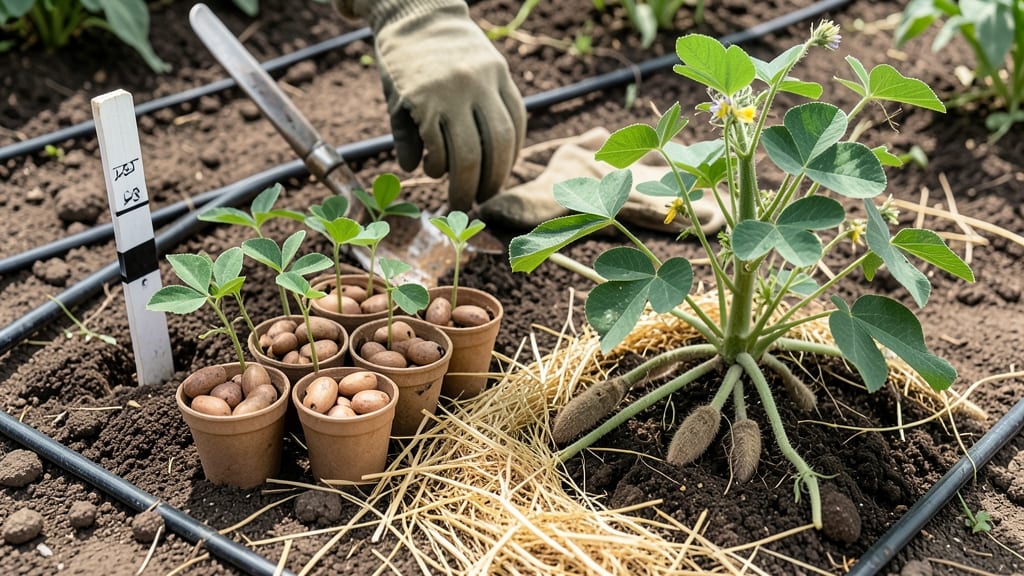
Planting peanuts in North Carolina isn’t just about dropping seeds in the dirt—it’s about timing them perfectly to unlock the sweetest, most abundant harvests.
With USDA zones 7a-8b offering just the right balance of heat and growing days, your window is narrow but critical: late April to early June after the last frost. Skip this timing, and you risk stunted plants or missed harvests entirely.
Here’s the secret: peanuts are heat-loving annuals that need soil temperatures of at least 70°F to germinate. In NC’s Piedmont region, that might mean waiting until early May, while Coastal Plain gardeners can start as early as late April.
The goal? Get those 🥜 seeds in the ground when the soil is warm enough to work but before summer’s scorching heat peaks.
Why does this matter? Because peanuts need 120–150 days to mature—and if you plant too late, you’ll be racing against NC’s first frost (usually around mid-November). I’ll show you how to read your local frost dates, adjust for early vs. late varieties, and even troubleshoot common mistakes that sabotage yields.
Ready to grow peanuts that thrive? Let’s break down the exact steps, from soil prep to harvest-ready signs, so you can turn your NC garden into a peanut powerhouse this season.
Peanut planting timeline in North Carolina: month-by-month heat zones
Peanuts are heat-loving annuals that thrive in North Carolina’s long, warm growing season. Unlike many crops, they won’t tolerate cold soil—so timing your planting to soil temperatures of at least 70°F is critical.
In NC, this typically means waiting until late April to early June, but your exact window depends on your region.
NC’s climate varies dramatically from the Coastal Plain to the Piedmont. Coastal areas (like Wilmington) can plant 2–3 weeks earlier than inland zones (like Raleigh or Asheville), where cooler nights delay soil warming.
The last frost date (usually March 15 in most of NC) isn’t your only guide—soil temperature is far more important for peanuts.
Here’s how to align your planting with NC’s heat zones and avoid common mistakes like cold-soil shock or late-season harvests cut short by frost.
| Region | USDA Zone | Ideal Planting Window | Soil Temp Threshold | Last Frost Date | First Frost Risk | Harvest Window |
|---|---|---|---|---|---|---|
| Coastal Plain (e.g., Wilmington, Fayetteville) | 8a-8b | Mid-April to late May | 70°F+ (soil) | March 1–15 | Mid-November | Late September–October |
| Piedmont (e.g., Raleigh, Charlotte) | 7b-8a | Late April to early June | 70°F+ (soil) | March 15–30 | Early November | Mid-September–October |
| Mountains (e.g., Asheville, Boone) | 6b-7a | Early May to mid-June | 70°F+ (soil) | April 15–May 1 | Late October | Late September–early October |
| 🌡️ PRO TIP: Use a soil thermometer to confirm temps—peanuts won’t sprout below 70°F! | ||||||
If you’re in Zone 7a or cooler (like the western mountains), opt for early-maturing varieties (90–100 days to harvest) to beat the first frost.
In warmer zones (8a/8b), you can push planting into early June for a fall harvest, but avoid planting after July 1—the pods need 80–90 days of warm weather to mature.
For container growing, start seeds indoors 6–8 weeks before your last frost date, then transplant seedlings when soil reaches 70°F. Containers warm up faster than garden beds, giving you a 2-week head start in cooler zones.
Watch for false springs: A warm spell in March might trick you into planting early, but a late frost can kill young peanuts. Use row covers if you plant in April to protect tender seedlings from unexpected chills.
In drought-prone areas (like the Sandhills), mulch heavily after planting to retain moisture. Peanuts need consistent soil moisture during pod development, but they hate soggy soil—so raised beds with sandy loam work best.
Mark your calendar for September 15 as your harvest deadline in most of NC. After that, pods may not mature fully before frost. If you’re in the mountains, aim to harvest by September 1 to avoid early frost damage.
5 Critical factors that determine your NC peanut planting success
Peanuts aren’t picky plants, but they do demand specific conditions to thrive in North Carolina’s climate. The 5 critical factors below will make or break your harvest—so pay close attention. First, soil temperature is non-negotiable: peanuts need soil at 70°F or warmer to germinate.
Use a soil thermometer to check before planting; cool soil = slow starts or no sprouts at all.
Next, soil pH between 6.0–6.5 ensures your plants can absorb nutrients efficiently.
Test your soil with a kit from your local extension office—NC’s sandy soils often need a boost with lime or compost to hit the sweet spot. Drainage is another dealbreaker: peanuts hate soggy roots, so amend heavy clay with sand or organic matter if water pools after rain.
🌱
🔍 5 Critical Factors for NC Peanut Success
- 🌡️ Soil Temperature: Wait until soil hits 70°F+ (use a thermometer!)
- 📉 pH Level: Aim for 6.0–6.5; amend with lime or compost if needed
- 💧 Drainage: Avoid waterlogged soil; raise beds if clay-heavy
- ☀️ Sunlight: 6+ hours of full sun daily—no compromises
- 🌧️ Moisture: Keep soil consistently moist but not soggy during flowering
Don’t overlook sunlight requirements: peanuts need 6+ hours of full sun daily. In NC’s Piedmont, this means south-facing beds with no shade from trees or fences. If your garden gets afternoon shade, consider container growing near a sunny wall instead.
Lastly, moisture management is key: peanuts need consistent moisture during flowering (June–July) but dry out slightly before harvest to prevent mold.
Pro tip: Mulch with straw or pine needles to retain moisture and regulate soil temps. Avoid synthetic mulches—they can overheat the soil and stress your plants. And if you’re planting in sandy Coastal Plain soil, water daily during dry spells to prevent drought stress.
One common mistake? Planting in cold, wet soil that’s still chilly from spring rains. This leads to rot or poor germination. Instead, wait for the soil to warm and dry slightly—your peanuts will thank you with vigorous growth and a bumper crop by fall.
✂️