
Plants
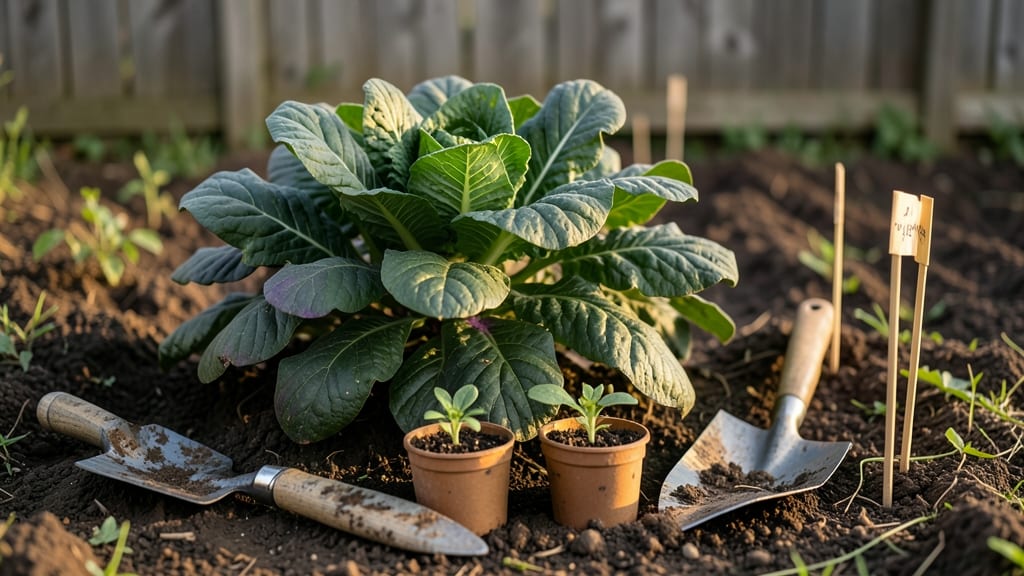
If you're wondering when to plant mustard greens in Louisiana, timing is everything—get it wrong, and you’ll battle bolting or stunted growth. The cool-season window from September through March offers perfect conditions for this hardy 🌱 vegetable, but Louisiana’s unique climate demands a few extra tricks.
In USDA Zones 8a-9b, mustard greens thrive when soil temperatures dip below 85°F, making late summer plantings risky. Instead, aim for early fall or winter sowings to avoid the heat. Coastal areas stay milder longer, while inland regions face earlier frosts—so adjust your schedule accordingly.
This guide will break down the ideal planting months for your specific microclimate, plus heat-resistant strategies to extend your harvest. Whether you're a first-time gardener or a seasoned grower, these tips will help you grow bolting-free mustard greens all season long.
Ready to unlock a steady supply of peppery greens? Let’s dive into the exact timing and techniques that work best for Louisiana gardens.
Best planting times for mustard greens in Louisiana’s climate Zones
Louisiana’s unique climate—with its warm winters and long, humid summers—creates ideal conditions for mustard greens during the cooler months. Unlike northern states, you can grow them year-round with the right timing, but September through March is the sweet spot for peak production.
The key is avoiding heat stress and bolting, which happens when temperatures rise above 75°F.
Northern Louisiana (USDA Zones 8a) has slightly cooler winters, while southern regions (Zones 9a-9b) stay warmer longer. This means your planting window can shift by 2-4 weeks depending on where you live.
For example, in Shreveport (Zone 8a), frost arrives earlier than in New Orleans (Zone 9b), so adjust your schedule accordingly.
Mustard greens thrive when soil temperatures stay between 45°F and 70°F. If planted too early in August, they’ll bolt from the heat. If planted too late in April, they may struggle before summer arrives.
The 4-6 week window before the first frost is your best bet for a successful harvest.
Here’s a quick breakdown of Louisiana’s frost dates to guide your timing:
| Zone | First Frost | Last Frost | Ideal Planting Window |
|---|---|---|---|
| 8a (North) | December 1 | January 15 | September 15 - March 1 |
| 9a (Central) | December 15 | January 31 | October 1 - March 15 |
| 9b (South) | December 31 | February 15 | October 15 - April 1 |
For coastal areas like Lafayette or Baton Rouge, humidity can delay bolting slightly, giving you a 2-week extension in late winter. However, inland regions like Alexandria or Monroe may need to plant earlier to avoid early spring heat.
Always check your local frost-free date—it’s the best predictor of success.
If you’re planting in fall, aim for late August to early September to give your greens time to mature before winter sets in. For winter plantings, January is your last chance before summer heat arrives.
In spring, you can squeeze in a late March to early April planting, but be prepared to provide shade if temperatures climb.
Pro tip: Use a soil thermometer to monitor temperatures. Mustard greens prefer 50°F to 65°F soil temps. If your soil is too warm, wait a few weeks or use shade cloth to protect seedlings.
This is especially critical in Zone 9b, where soil can stay warm well into December.
Another trick for Louisiana growers is to plant in raised beds. They warm up and cool down faster than in-ground soil, giving you more flexibility with timing. Just ensure your bed has good drainage—mustard greens hate soggy roots, which is a common issue in Louisiana’s clay-heavy soils.
Finally, don’t forget about succession planting. By staggering your plantings every 2-3 weeks from September through January, you’ll have a continuous harvest until spring. This works especially well in Zone 9a and 9b, where winters are milder.
With the right timing, you can enjoy crisp, flavorful mustard greens straight from your Louisiana garden for months—no bolting in sight! 🌱
Best planting times for mustard greens in Louisiana’s climate Zones
Louisiana’s USDA Zones 8a-9b create a unique challenge for mustard greens growers. While these cool-season crops love temperatures between 50°F and 75°F, Louisiana’s humidity and heat can push soil temps too high for comfort.
The key is planting when daytime highs stay below 85°F—typically after mid-August—to avoid bolting (the bitter, flower-producing phase).
For northern Louisiana (Zone 8a), the ideal window stretches from late August through March, with the first frost rarely arriving before December 1st. In southern Louisiana (Zone 9b), where winters are milder, you can plant as late as October and harvest through March.
Coastal areas like New Orleans even allow for year-round plantings with shade protection.
Here’s how to align your planting with Louisiana’s microclimates for maximum success:
| Zone & Region | Best Planting Months | Soil Temp Threshold | Frost Risk |
|---|---|---|---|
| Zone 8a (North: Shreveport, Monroe) | Late August–March | Below 85°F | First frost: Dec 1 |
| Zone 8a–9a (Central: Baton Rouge, Lafayette) | September–February | Below 80°F | First frost: Nov 15 |
| Zone 9b (South: New Orleans, Houma) | October–March | Below 75°F | Light frost possible Jan |
For coastal gardeners, take advantage of Louisiana’s longer growing seasons by planting every 3–4 weeks from September through January. This succession planting ensures a steady supply of greens even when temperatures dip.
Inland areas should prioritize early fall plantings (late August) to beat the heat and late winter plantings (February) to capitalize on spring’s mild start.
Pro tip: Use a soil thermometer to confirm temps are below 85°F before sowing seeds. If your garden sits in a hot microclimate, opt for shade cloth or drip irrigation to keep roots cool.
Mustard greens are fast-growing—harvest in just 30–60 days—so timing is everything for a peppery, homegrown harvest.
🌱