
Plants
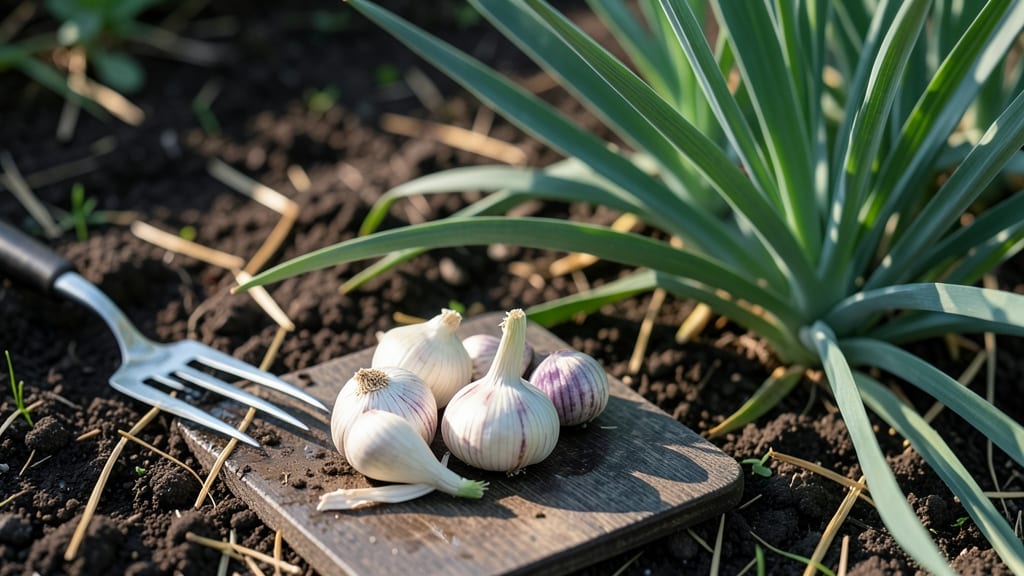
If you’ve ever wondered when to plant garlic in Oklahoma, the answer isn’t just about the calendar—it’s about beating the frost while giving your 🧄 the best shot at plump, flavorful bulbs.
Oklahoma’s 6b-8a zones mean your timing could vary by weeks depending on whether you’re in rural 7a or a warmer microclimate.
Most gardeners swear by fall planting—between October and November—when soil temps dip but haven’t frozen solid. This gives garlic roots time to establish before winter’s chill sets in, setting the stage for harvests the following summer.
But with Oklahoma’s unpredictable weather, even a week’s delay can mean the difference between thriving cloves and a failed crop.
What you’ll discover here is how to sync your planting with Oklahoma’s frost patterns, soil prep secrets, and even how to adjust for urban heat islands or high-elevation chill. Whether you’re a first-timer or a seasoned grower, these climate-smart tips will help you avoid common mistakes and maximize your harvest.
Ready to turn your garden into a garlic powerhouse? Let’s break down the exact steps—from soil prep to breaking dormancy—so you can plant with confidence and reap the rewards by next June or July.
Best planting months for garlic in Oklahoma by Hardiness Zone
Timing your garlic planting in Oklahoma hinges on your USDA Hardiness Zone—most of the state falls between 6b and 8a, but even small shifts in elevation or latitude change frost dates.
For hardneck varieties like 'German White' or 'Silverskin', the ideal window is 4-6 weeks before the ground freezes, typically mid-October to November. In Zone 6b (northern OK), aim for October 1-15, while Zone 8a gardeners (south OK) can plant until mid-November.
Garlic needs cold stratification—a period of winter chilling—to form bulbs. Planting too early risks rot in wet soil, while late planting may not provide enough cold exposure. Soil temperatures should drop to 40-50°F before planting, signaling it’s time. Use a soil thermometer to check if unsure.
Spring planting is possible in Zone 8a, but bulbs will be smaller and softer due to insufficient cold. For best results, stick to fall planting and harvest the following June-July.
Oklahoma’s unpredictable winters mean some years may allow a December planting if soil isn’t frozen, but this is risky.
| Zone | Ideal Planting Window | Soil Temp Goal | Last Frost Risk |
|---|---|---|---|
| 6b (Northern OK) | October 1-15 | 40-50°F | Mid-November |
| 7a (Central OK) | October 15-November 1 | 40-50°F | Early December |
| 8a (South OK) | November 1-15 | 45-55°F | Late December |
🌱 Key: Adjust for microclimates—urban areas freeze faster than rural zones.
Oklahoma’s western panhandle (Zone 6b) experiences earlier frosts than southeastern OK (Zone 8a). Check NOAA frost data for your county—some years, a late October freeze can catch early plantings off guard. If frost hits before bulbs establish roots, mulch with straw or leaves to insulate soil and protect cloves.
For hardneck garlic, the coldest winter months (Dec-Feb) are critical. Cloves need 60-90 days below 40°F to form bulbs. In Zone 7a, this typically means planting by November 1. Softneck varieties (like 'Artichoke') can tolerate warmer winters but still prefer fall planting for best flavor.
Pro tip: Use local garlic varieties adapted to Oklahoma’s climate, like 'Creole' or 'Chesnok Red'. These handle heat spikes in spring better than northern varieties. Save seeds from your best bulbs to ensure next-year adaptability to your microclimate.
If you miss the fall window, spring planting in March is an option, but bulbs will be smaller and less flavorful. This method works best in Zone 8a where winters are milder. For maximum bulb size, always prioritize fall planting.
Test your soil’s drainage and pH before planting—garlic thrives in pH 6.0-7.0 and well-draining soil. Amend clay-heavy Oklahoma soils with compost or sand to prevent waterlogging. A simple jar test can reveal drainage issues before planting.
Remember: Garlic planted in October in northern OK may harvest in June, while November plantings in southern OK might not be ready until July. Plan your garden layout to stagger harvests if you plant in both zones.
How to adjust planting for Oklahoma’s microclimates and frost patterns
Oklahoma’s 6b-8a USDA zones create a patchwork of planting conditions, where a 5°F temperature swing between rural 7a and urban 8a can drastically alter your garlic’s success.
Urban areas like Oklahoma City often experience heat islands that delay first frosts by 2-3 weeks, while high-elevation spots like Altus can see frost as early as mid-October. Understanding these microclimates helps you fine-tune planting times for hardneck varieties like 'German White' or 'Silverskin'.
For most of Oklahoma, NOAA frost data shows the average first frost occurs between mid-October and early November, with the last frost typically hitting mid-November to early December.
This means your planting window should start 4-6 weeks before the first hard frost—usually late September to mid-October—but adjustments are key for specific regions.
In warmer southern Oklahoma (Zone 8a), where cities like Tulsa experience milder winters, you can push planting into early November without risking frost damage.
Meanwhile, in northern Oklahoma (Zone 6b), gardeners in areas like Oklahoma City’s suburbs should plant by mid-October to ensure roots establish before winter sets in. Elevation also plays a role: every 1,000 feet higher can bring frost 2-3 weeks earlier, so adjust accordingly.
🔴 ⚠️ Warning: Planting Too Late or Too Early ⚠️
- Cloves won’t root before hard freezes, leading to rot.
- Bulbs may sprout weakly in spring, yielding small harvests.
- In Zone 6b, planting after October 15 is risky.
- Garlic may sprout too soon, making it vulnerable to fungal diseases.
- Cloves can dry out in warm, dry September soil.
- In Zone 8a, planting before September 20 risks early growth.
To extend your planting window, use row covers or mulch (like straw or leaves) to protect young plants. In urban areas, where heat traps can delay frost, monitor local weather forecasts and plant 1-2 weeks later than rural guidelines.
For high-elevation gardens, consider cold-hardy varieties like 'Chesnok Red' or 'Music' to improve survival rates.
Pro tip: Check Oklahoma Mesonet for real-time soil temperatures—ideal planting soil should be 50-60°F. If temps drop below 40°F, delay planting until conditions stabilize. This small adjustment can mean the difference between a failed crop and a bountiful harvest.
Finally, remember that garlic is a cool-season crop, so it thrives in Oklahoma’s winter chill. The 10-12 weeks of cold (below 40°F) between planting and spring growth are essential for bulb development.
Without this chill, you’ll end up with small, weak cloves—so don’t rush the process! 🌱