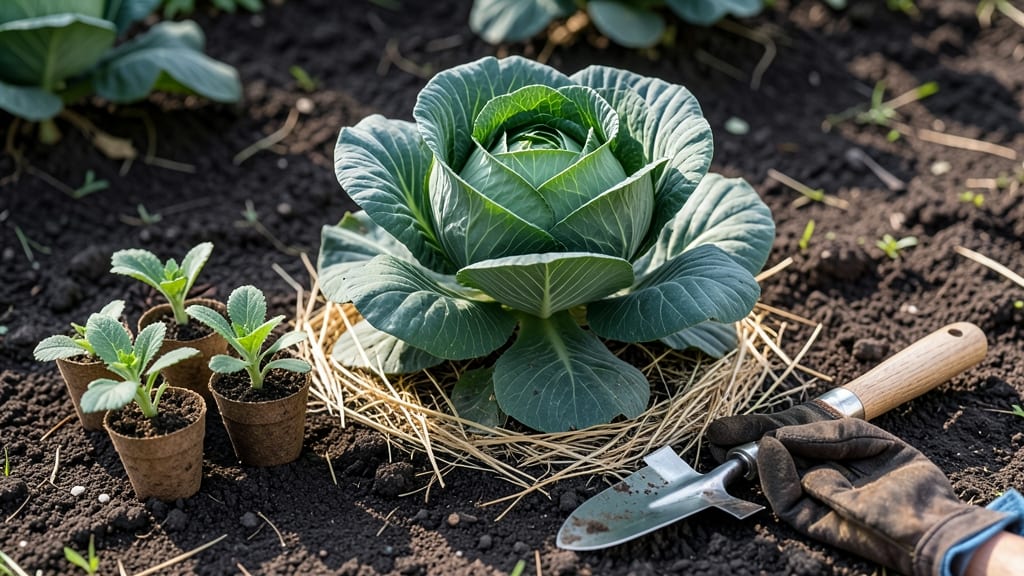
If you're dreaming of a bountiful harvest of crisp, homegrown 🥬 cabbage, timing your planting is the most important step—especially in Georgia's warm climate. The wrong schedule can turn your hard work into bitter-tasting heads or stunted growth, leaving you wondering why your garden didn't deliver.
Georgia's unique 7b-8b USDA zones mean you have two prime windows to plant: late winter for spring harvests and early fall for cooler-season growth.
But with frost risks lingering into March and heat setting in by June, knowing exactly when to start seeds indoors or transplant seedlings makes all the difference.
Let me walk you through the frost-free timeline that works for Georgia gardeners, whether you're in the Coastal Plain or the Mountains. You'll discover how to avoid common mistakes like planting too early or too late, and which varieties thrive best in your region.
By the end, you'll have a clear plan to maximize your 🥬 harvest from May to November—without the guesswork. Ready to grow cabbage the smart way?
Georgia cabbage planting calendar: month-by-month frost-free timeline for best harvests
Georgia’s USDA zones 7b-8b create two ideal windows for growing cabbage: spring and fall. The key is planting 4-6 weeks before your area’s average last frost date (typically mid-March) to ensure strong starts before summer heat sets in.
Fall plantings must happen 8-10 weeks before the first frost (late November) to mature before cold snaps.
Miss these windows, and you’ll face either bolting plants (premature flowering from heat stress) or frost-damaged heads. Georgia’s long growing season (about 200 frost-free days) lets you grow two full harvests per year—spring and fall—if you time it right.
Let’s break down the exact months and varieties that work best.
📅 Spring Planting (Best for Early Varieties)
Month
Task
Notes
Variety Recommendations
Late February
Start seeds indoors
Use grow lights for 14-16 hours/day
Early varieties: 'Golden Acre', 'Early Jersey Wakefield'
Early March
Transplant seedlings outdoors
Hardening off for 7-10 days first
Mid-season: 'Cavalo', 'Red Express'
Mid-March
Direct sow remaining seeds
Cover with frost cloth if nights dip below 40°F
Late varieties: 'Late Flat Dutch', 'Mammoth Red Rock'
April
Thin seedlings to 18-24"
Remove weaker plants to reduce competition
N/A
May-June
Harvest mature heads
Pick when heads are firm and tight
All varieties ready by June 1
For spring cabbage, focus on early and mid-season varieties that mature before Georgia’s summer heat peaks. Late varieties planted in spring often bolt prematurely if temperatures exceed 80°F for prolonged periods.
I’ve had success with 'Cavalo' in North Georgia’s cooler mountain regions, while 'Golden Acre' thrives in the warmer Coastal Plain.
🍂 Fall Planting (Best for Heat-Tolerant Varieties)
Fall plantings require more precision because Georgia’s summer heat lingers until September. Start seeds 8-10 weeks before your first frost (late November) to ensure heads mature before cold weather. This typically means sowing seeds in early August for a late fall harvest.
Use heat-tolerant varieties like 'Cavalo' or 'Golden Acre', which handle 90°F temperatures better than standard types.
Here’s my fall planting timeline for Georgia:
Month
Task
Notes
Variety Recommendations
Early August
Direct sow seeds
Use shade cloth if temps exceed 90°F
Heat-tolerant: 'Cavalo
How to extend Georgia’s cabbage growing season: 5 proven strategies for avoiding bolting
Georgia’s summer heat can turn your cabbage into bitter, bolted messes if you don’t act fast. The key to success? Extending the growing season with smart heat management and variety selection.
With the right techniques, you can enjoy crisp heads well into fall—or even overwinter them with minimal effort.
First, choose heat-tolerant varieties like ‘Cavalo’ or ‘Golden Acre’, which handle Georgia’s 90°F+ temperatures better than standard types. These varieties stay sweet and firm even when other cabbages bolt. Pair them with these 5 proven strategies to beat the heat and maximize your harvest.
5 Ways to Extend Georgia’s Cabbage Growing Season
🌿 Use shade cloth to block 30-50% of sunlight during peak afternoon heat (12 PM–4 PM). This keeps soil temps 10°F cooler and prevents bolting.
💧 Mulch heavily with straw or wood chips (3–4 inches deep) to retain moisture and insulate roots. Replenish every 4–6 weeks.
⏰ Adjust watering to deep, early-morning sessions (before 8 AM). Avoid wetting leaves to prevent fungal diseases like downy mildew.
🌱 Succession plant every 2–3 weeks from August–September for staggered harvests. Late varieties like ‘Late Flat Dutch’ thrive in cooler fall air.
🌡️ Overwinter with row covers if temps dip below 25°F. Use floating row covers or cold frames to protect tender plants.
Another critical trick? Soil prep matters just as much as timing. Amend your beds with compost and aged manure before planting to improve water retention—dry soil accelerates bolting. Test your soil’s pH (6.5–7.0) and add lime or sulfur if needed, as Georgia’s acidic clay soils can stunt growth.
For container gardening, opt for 5-gallon pots with well-draining mix and water daily during heatwaves. Elevate pots to prevent root rot, and move them to shadier spots by mid-afternoon. Containers dry out faster, so monitor soil moisture with your finger—top 1 inch should stay damp.
Finally, watch for bolting signs: elongated stems, yellowing leaves, or flower stalks. If you catch it early, prune the flower bud and focus on cool-season care to salvage the head. With these strategies, you’ll enjoy crisp, sweet cabbage long after most Georgia gardens give up.