
Planting
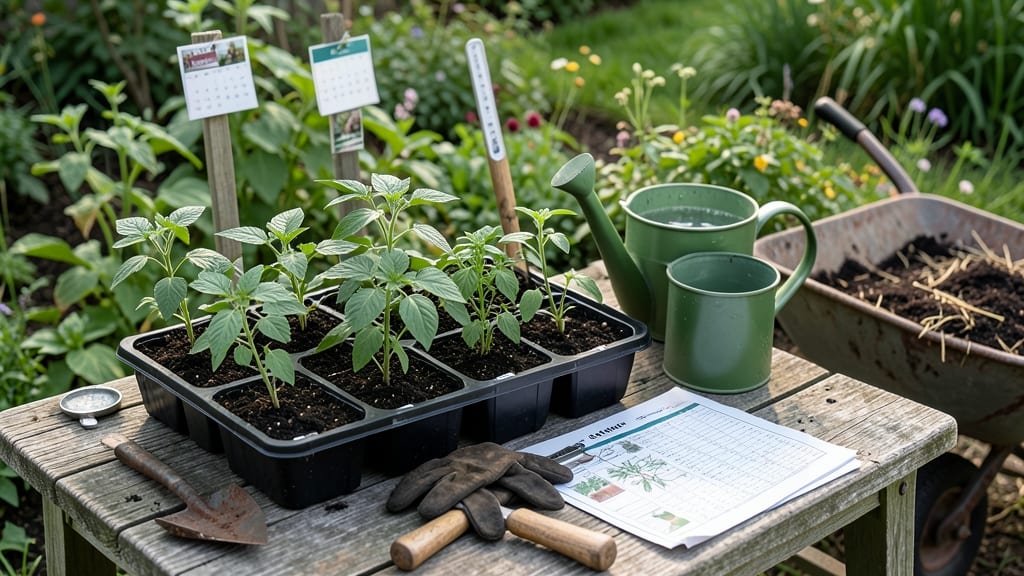
Timing your garden planting in Ohio can feel like solving a puzzle—one wrong move, and frost ruins your hard work. The perfect window depends on your zone, but knowing the right frost-free dates means the difference between a thriving garden and a sad, wilted disappointment.
Ohio’s climate throws curveballs, with late frosts lingering into May in some areas while others bask in early warmth by April. Whether you’re planting cool-season greens or heat-loving tomatoes, getting the timing right is key.
I’ll break down the exact frost-free timeline for Ohio’s growing zones so you can plant with confidence.
From starting seeds indoors to direct sowing in the ground, I’ll show you how to align your planting schedule with Ohio’s unpredictable spring.
You’ll learn which crops to prioritize, how to protect tender plants, and when to adjust for your specific corner of the state—whether you’re in chilly Zone 5a or milder Zone 6b.
Ready to stop guessing and start growing? Let’s dive into the step-by-step guide that’ll have your Ohio garden flourishing all season long.
Ohio’s frost-free planting timeline by growing Zone (2024 guide)
Ohio’s growing zones 5a-6b create a unique challenge for gardeners—late spring frosts can linger until mid-May in northern areas, while southern Ohio may see frost-free conditions by early April.
Understanding your specific zone helps you time warm-season crops like tomatoes and peppers perfectly, while cool-season greens like spinach can handle earlier plantings. The key is knowing your average last frost date, which varies by 10-14 days across the state.
For example, Columbus (Zone 6a) typically sees its last frost around April 20th, while Toledo (Zone 5b) often waits until May 5th. These dates determine when you can safely plant frost-sensitive seedlings outdoors.
Meanwhile, hardy vegetables like peas and lettuce can often go in the ground 4-6 weeks before the last frost date. Microclimates—like urban heat islands or sheltered valleys—can also shift these timelines by a week or more.
Use Ohio State University’s interactive frost map to pinpoint your exact location’s history. This tool averages data from 30+ years of records, giving you the most reliable baseline. For heat-loving plants, wait until soil temperatures consistently reach 60°F (15°C)—a soil thermometer is your best friend here.
In Zone 6b (southern Ohio), you might start tomatoes outdoors by April 15th, while Zone 5a (northeast Ohio) gardeners should wait until May 10th.
| USDA Zone | Avg. Last Frost | Warm-Season Planting Window | Cool-Season Planting Window | Soil Temp Threshold |
|---|---|---|---|---|
| 5a (Northeast OH) | May 10–15 | After May 15 | March 20–April 10 | 60°F (15°C) |
| 5b (Central/Northwest OH) | May 5–10 | After May 1 | March 25–April 5 | 60°F (15°C) |
| 6a (Columbus, Dayton) | April 20–25 | After April 15 | March 15–March 30 | 55°F (13°C) |
| 6b (Southern OH) | April 10–15 | After April 1 | March 1–March 15 | 50°F (10°C) |
If you’re planting warm-season crops like peppers or eggplants, consider starting them indoors 8-10 weeks before your last frost date. This gives seedlings a head start while you wait for soil to warm.
For cool-season crops, like broccoli or cabbage, you can often direct-sow 4-6 weeks before the last frost—just cover them with frost cloth if nights dip below 25°F (-4°C).
Urban gardeners in cities like Cleveland or Cincinnati may experience 2-3°F warmer microclimates due to heat retention, so adjust your timeline accordingly.
Pro tip: Track your local NOAA frost alerts for real-time updates. In 2023 alone, late frosts in late April delayed plantings for 30% of Ohio gardeners in Zones 5a-5b. By planning around these historical trends, you’ll avoid common pitfalls like blackened tomato leaves or stunted pepper growth.
For perennials, like asparagus or rhubarb, early spring (March) is ideal—just be ready to protect them if frost returns.
Don’t forget about succession planting! Even after your last frost, you can keep sowing fast-growing crops like radishes or lettuce every 2-3 weeks for continuous harvests. This works especially well in Zone 6b, where the growing season stretches longer. Pair this strategy with mulching
Best month-by-month planting calendar for Ohio gardens
Ohio’s planting calendar isn’t one-size-fits-all—it shifts dramatically from Zone 5a’s late frosts to Zone 6b’s earlier springs. The key is aligning your schedule with your zone’s last average frost date, which typically falls between April 15 and May 15 across the state.
For example, gardeners in Cincinnati (Zone 6a) can start warm-season crops like tomatoes in early May, while those in Toledo (Zone 5b) should wait until mid-May.
To simplify, I’ve broken down planting by month, focusing on cool-season crops (spinach, peas, lettuce) that thrive in spring’s chill and warm-season crops (peppers, cucumbers, beans) that need soil temperatures above 55°F. I’ll also highlight succession planting opportunities—like sowing radishes every 2 weeks—to keep your harvests rolling all season.
🌱 Pro Tip: Use a garden journal to track your local frost dates for 3 years. Ohio’s climate shifts yearly, and your backyard might be 2-3 weeks earlier than the average.
For instance, my garden in Columbus (Zone 6a) saw its last frost on April 22 in 2023—earlier than the historical average of May 1.
📅 Month-by-Month Planting Highlights for Ohio
- March: Start cool-season veggies indoors (broccoli, cabbage) and hardy greens outdoors (spinach, kale) if soil is workable. Use row covers to protect from late frosts.
- April: Direct sow peas, radishes, and lettuce as soon as soil thaws. Begin warm-season seeds indoors (tomatoes, peppers) 6-8 weeks before last frost.
- May: Plant warm-season crops outdoors after last frost (use frost cloth for early starts). Succession sow beans, cucumbers, and zucchini every 2 weeks.
- June: Focus on heat-tolerant crops (okra, sweet potatoes) and herbs (basil, cilantro). Start fall greens indoors for late-season harvests.
- July-August: Plant cool-season crops for fall (kale, carrots) and extend warm-season harvests with succession plantings of bush beans.
- September: Direct sow garlic and onions for next year. Harvest warm-season crops before first frost (typically October 15-November 1).
Don’t overlook herbs and flowers—many thrive in Ohio’s climate with minimal fuss. For example, chives and thyme can be planted as early as March, while marigolds and zinnias love the heat of June and July.
I always dedicate a corner of my garden to perennial herbs like oregano and sage, which come back year after year with almost no effort.
For container gardening, adjust your timeline slightly—pots warm up faster than soil, so you can plant warm-season crops 1-2 weeks earlier. Just ensure containers have drainage holes to prevent root rot, especially in Ohio’s humid summers.
My balcony tomatoes in Zone 6a always ripen a week ahead of in-ground plants because the soil stays warmer.
🌿 Remember: Ohio’s first frost usually arrives between October 15 and November 15, depending on your zone. Use this as your cue to harvest remaining crops and plant garlic or winter rye for next spring.
Don’t let the calendar stress you out—focus on observing your plants and adjusting as needed!