
Flowers
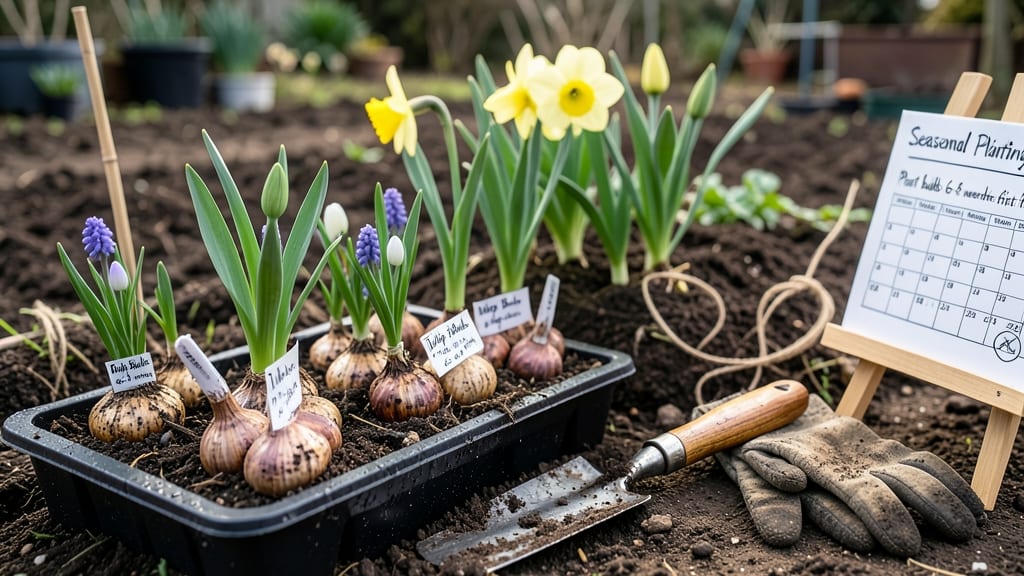
Timing your spring flower planting can make the difference between a vibrant garden and a sad, frost-nipped disappointment. The last thing you want is to rush out and plant your 🌸 Flowers too early, only to watch them wilt under a surprise frost.
But wait too long, and you might miss the perfect window for those show-stopping blooms.
I’ve spent years perfecting the art of spring planting, and the key is knowing your zone. For most gardeners in Zone 6a, that means waiting until after the last frost—typically late April to early May—but the exact timing can shift depending on your local weather patterns.
Whether you’re planting hardy pansies or delicate tulips, getting this right ensures your garden thrives.
In this guide, I’ll break down exactly when to plant your spring flowers by zone, so you can avoid common mistakes and set your garden up for success. You’ll also learn how to adjust for early or late springs, plus the best flowers to plant for your climate.
Let’s get those 🌸 Flowers in the ground at the perfect moment!
No more guesswork—just a foolproof schedule tailored to your region. Whether you’re a beginner or a seasoned gardener, these tips will help you grow a garden that’s the envy of the neighborhood. Ready to dive in?
Exact weeks before last frost to plant spring flowers by zone
Spring flowers thrive when planted at the right time—too early and frost zaps their growth; too late and you miss vibrant blooms. The key is knowing your USDA hardiness zone and counting weeks before your last frost date.
Most spring flowers should go in 2-6 weeks before the final frost, but cold-hardy varieties like pansies can handle 6-8 weeks earlier.
For example, in Zone 3-4 (cold climates like Minnesota or Maine), aim to plant 6-8 weeks before the last frost—often by late April to early May. In Zone 8-10 (mild climates like Southern California), you can plant 2-4 weeks before frost, sometimes as late as March.
Always check your local frost-free date—it’s your planting deadline.
Here’s a quick guide to help you plan by zone, including cold-hardy flowers (like tulips and daffodils) and tender varieties (like impatiens or marigolds) that need warmer soil.
| USDA Zone | Weeks Before Last Frost | Cold-Hardy Flowers | Tender Flowers |
|---|---|---|---|
| Zone 3-4 | 6-8 weeks | Tulips, daffodils, bleeding heart | Pansies, snapdragons (after frost) |
| Zone 5-6 | 4-6 weeks | Peonies, irises, sweet peas | Marigolds, petunias, zinnias |
| Zone 7-8 | 2-4 weeks | Lavender, coreopsis, coneflowers | Geraniums, impatiens, vinca |
| Zone 9-10 | 1-2 weeks (or wait until March) | Calendula, snapdragons, sweet alyssum | Begonias, fuchsias, coleus |
🌱 Pro Tip: Use a soil thermometer—most flowers need soil temps of 50°F+ to thrive.
Bulbs like tulips and daffodils are unique—they should be planted in fall (6-8 weeks before frost), but spring-blooming bulbs (like crocus or hyacinths) can go in early spring (2-4 weeks before frost). These hardy gems tolerate cooler soil and even light frosts.
If you’re unsure about your last frost date, check the National Oceanic and Atmospheric Administration (NOAA) or local cooperative extension service. These resources provide historical frost data for your area, helping you avoid risky planting weeks.
For example, Zone 6a (like Chicago or Denver) typically has a last frost around April 15, so aim to plant 4-6 weeks before that date.
For annual flowers like marigolds or zinnias, wait until after the last frost when nighttime temps stay above 50°F (10°C). These warm-season lovers won’t survive frost, so patience pays off with longer, brighter blooms.
Start seeds indoors 4-6 weeks before your last frost if you want a head start.
Perennials like cone flowers or black-eyed Susans can handle earlier planting (up to 8 weeks before frost) because they establish roots over time. These low-maintenance workhorses reward you with years of color if planted correctly. Just be sure to mulch after planting to protect roots from temperature swings.
Don’t forget to prepare your flower beds before planting. Remove weeds, loosen soil, and mix in compost or aged manure for nutrients. A weekly check of your garden’s moisture levels ensures your new plants don’t dry out during their critical first weeks.
Most spring flowers need 1 inch of water per week, but newly planted bulbs only need a deep watering after planting.
If you’re in a transition zone (like Zone 7b), err on the side of caution. Plant cold-hardy flowers first (like pansies or sweet peas) and wait 2-3 weeks before adding tender varieties. This staggered approach gives you longer blooms and reduces the risk of
Exact weeks before last frost to plant spring flowers by zone
Planting your spring flowers at the right time ensures vibrant blooms and healthy growth. The general rule is to plant 4-6 weeks before your last frost date, but this varies by flower type and hardiness zone.
For example, tender annuals like impatiens need warmer soil, while cold-hardy perennials like pansies can handle earlier planting.
In Zone 6a, where the last frost typically occurs around April 15, aim to plant most flowers between mid-March and early April. However, bulbs like tulips and daffodils should go in the ground even earlier—6-8 weeks before frost—to establish roots before spring blooms.
Here’s a quick reference for planting spring flowers by zone, including the ideal window relative to your last frost date:
| Zone | Weeks Before Last Frost | Best Flowers to Plant | Soil Temp Requirement |
|---|---|---|---|
| 3-4 | 6-8 weeks | Pansies, Bleeding Heart, Snapdragons | 40-50°F (4-10°C) |
| 5-6 | 4-6 weeks | Tulips, Daffodils, Petunias | 45-55°F (7-13°C) |
| 7-8 | 2-4 weeks | Marigolds, Zinnias, Geraniums | 55-65°F (13-18°C) |
| 9-10 | 0-2 weeks | Lantana, Portulaca, Sunflowers | 60-70°F (16-21°C) |
For Zone 6a, focus on planting 4-6 weeks before your last frost, which aligns with late March to early April. If you’re unsure about your frost date, check local weather forecasts or use a frost prediction tool to stay ahead.
Bulbs should be planted even earlier, as they need time to root before shooting up in spring.
Pro tip: If you’re in a warmer microclimate (like near a south-facing wall), you can plant a little earlier. Conversely, if your area is prone to late frosts, wait until the soil temperature consistently stays above 50°F (10°C) before planting tender flowers.
Remember, the goal is to give your flowers enough time to establish roots before the heat of summer sets in. With this schedule, you’ll enjoy long-lasting blooms all season long! 🌷