
Planting
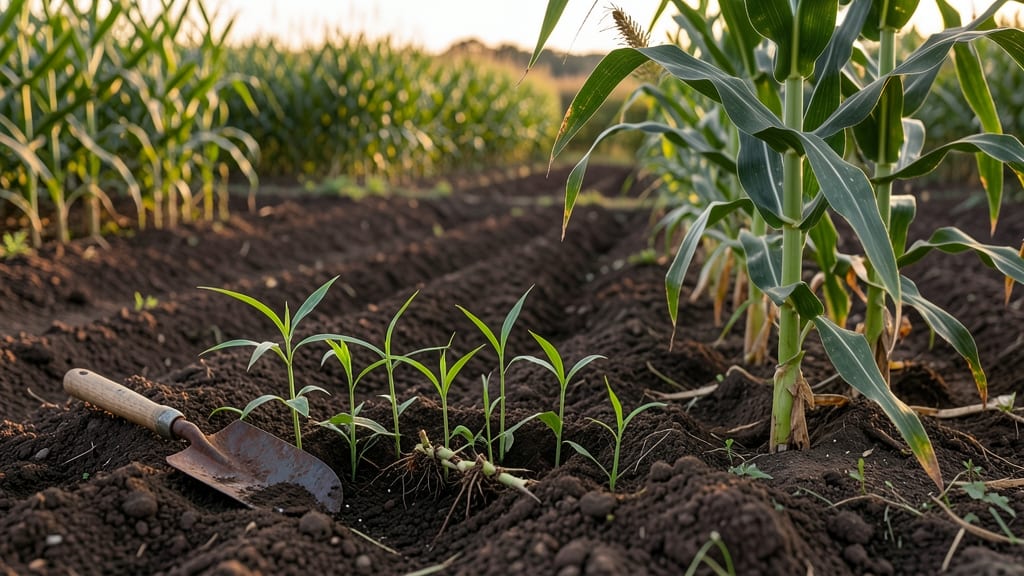
If you’ve ever wondered when do farmers plant corn in Ohio, timing is everything—it can make or break your harvest. Staring at your calendar in early spring, unsure if the soil is warm enough or if those late frost warnings are just hype, is a challenge many gardeners face.
Ohio’s 6a climate zone gives you a narrow window—typically mid-April to early May—to get seeds in the ground when soil temperatures hit that sweet spot of 50°F+ for 1-2 weeks.
But here's the catch: Northern Ohio's frost dates can lag behind southern counties by weeks, and planting too early risks frost damage while waiting too long cuts into your growing season.
I'll walk you through the exact soil temperature thresholds, frost-free date ranges, and regional adjustments that Ohio gardeners use to maximize their corn's potential. Whether you're in Columbus, Toledo, or somewhere in between, these insights will help you time your planting like a pro.
From choosing the right varieties to preparing your soil and adjusting for weather risks, you'll discover practical tips that actually work—no farming jargon required. Let's get your corn off to the best possible start this season.
Ohio corn planting timeline by soil temperature and frost dates
Ohio’s corn planting season hinges on two critical factors: soil temperature and frost-free dates. Most farmers wait until the soil warms to at least 50°F (10°C) for 1-2 weeks straight, ensuring seeds germinate properly.
In southern Ohio, where springs arrive earlier, planting often begins by mid-April, while northern regions like Cleveland may delay until late April or early May.
Frost dates vary dramatically across Ohio’s 165 frost-free days. The southern counties (e.g., Hamilton County near Cincinnati) typically see their last frost by mid-April, while northern areas (e.g., Ashtabula County) may not reach frost-free conditions until early June.
This creates a 6-week window between early and late-planting regions, requiring farmers to adjust their calendars accordingly.
Here’s how Ohio’s USDA Plant Hardiness Zones (primarily Zone 5b-6b) influence planting:
| Region | Last Frost Date | Ideal Planting Window | Soil Temp Threshold | Notes |
|---|---|---|---|---|
| Southern Ohio (e.g., Cincinnati, Columbus) | Mid-April | Mid-April to late April | 50°F+ for 10+ days | Earlier planting possible with row covers. |
| Central Ohio (e.g., Toledo, Dayton) | Late April | Late April to early May | 50°F+ for 14+ days | Balanced risk of frost and drought. |
| Northern Ohio (e.g., Cleveland, Akron) | Early June | Early to mid-May | 55°F+ for 7+ days | Shorter growing season; use early-maturing varieties. |
For home gardeners, the Ohio State University Extension recommends using a soil thermometer to confirm readiness. Stick it 2 inches deep—this is where corn seeds germinate. If temperatures dip below 50°F (10°C) at night, young seedlings can suffer chilling injury, stunting growth or causing rot.
Pro tip: Plant test rows 1-2 weeks before your target date. This lets you monitor germination and adjust your full planting schedule based on real-time conditions. In my experience, even a 3-day delay can mean the difference between a thriving crop and a struggling one.
Another key factor is nighttime temperatures. Corn thrives when nights stay above 55°F (13°C). If frost threatens after planting, use row covers or black plastic mulch to protect young plants. I’ve seen farmers in northern Ohio use these tricks to extend their planting window by 2-3 weeks.
Ohio’s microclimates also play a role. Areas near large bodies of water (e.g., Lake Erie) may experience later frosts, while inland regions like Appalachian Ohio can warm up faster. Always check local weather forecasts and historical data from the Midwestern Regional Climate Center for your specific county.
Finally, remember that corn planted after May 10 in most of Ohio faces higher risks of drought stress and ear rot. The later you plant, the more critical it becomes to choose drought-tolerant varieties and prioritize consistent irrigation.
In my garden, I’ve noticed that corn planted in early May consistently outperforms late May plantings, even with perfect care.
🌽
Ohio corn planting timeline by soil temperature and frost dates
Ohio’s corn planting window hinges on two critical factors: soil temperature and frost-free dates. Most farmers wait until the soil warms to 50°F+ consistently for 1-2 weeks, which typically aligns with mid-April to early May across the state.
This timing ensures seeds germinate quickly and avoids the risk of soil-borne diseases that thrive in cooler, wet conditions.
Southern Ohio—like the Columbus area—often sees frost-free dates as early as late April, giving gardeners a head start. Meanwhile, northern regions (e.g., Toledo and Cleveland) may not reach safe planting temps until early to mid-May.
Using a soil thermometer is my go-to trick for pinpointing the perfect moment to plant.
🌽 Ohio Corn Planting Timeline by Region
| Region | Soil Temp Threshold | Frost-Free Date | Ideal Planting Window |
|---|---|---|---|
| Southern Ohio (Columbus) | 50°F+ (late April) | Late April | Mid-April to early May |
| Central Ohio (Cincinnati) | 50°F+ (early May) | Early May | Late April to early May |
| Northern Ohio (Toledo/Cleveland) | 50°F+ (mid-May) | Early June | Early to mid-May |
*Source: Ohio State University Extension, 2023 climate data
For those in southern Ohio, planting as early as late March is possible if you use row covers or cold frames to protect young seedlings. However, I always recommend waiting until at least 2-3 weeks after the last frost to avoid damage to emerging shoots.
Check the USDA Plant Hardiness Zone Map for your specific county to fine-tune your timing.
One common mistake I see is planting corn too late—after May 10. While it might seem safe, delaying planting reduces the growing season, leading to smaller ears or immature kernels by harvest time. Use a planting calendar from Ohio State Extension to align your schedule with local weather patterns.
Pro tip: If you’re unsure about frost dates, sign up for local weather alerts or use the NOAA Climate Prediction Center for real-time updates. I’ve saved multiple crops by adjusting my planting date based on these forecasts—it’s worth the extra effort!
Finally, prepare your soil in early spring by adding compost or aged manure to boost fertility. Corn is a heavy feeder, so well-amended soil sets the stage for strong, healthy plants ready to thrive once those seeds hit the dirt.