
Plants
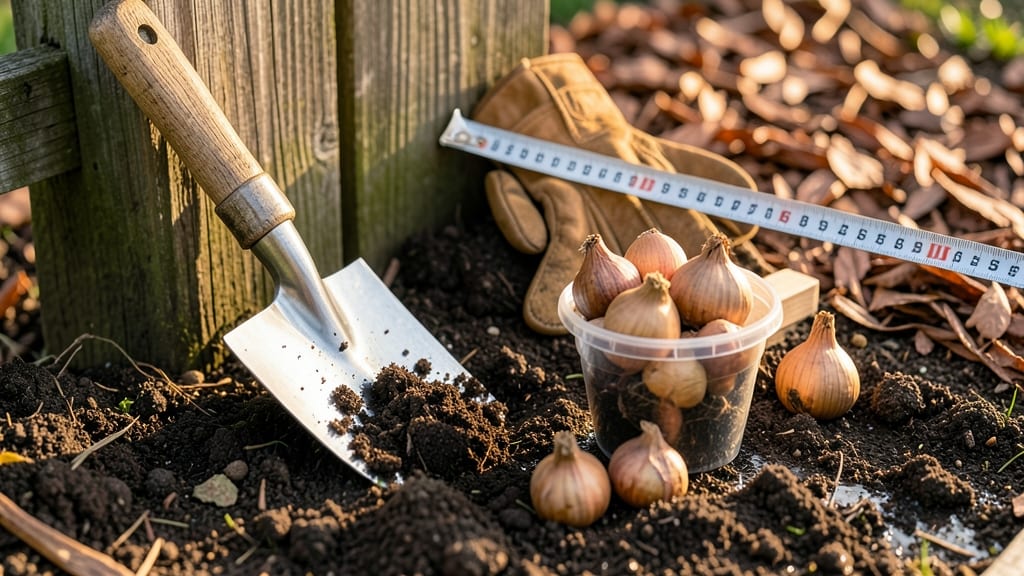
Planting your 🌷 tulips in the ground at the wrong time could mean waiting another year for those vibrant blooms you’ve been dreaming of. The secret to success lies in understanding your local climate—especially soil temperature and chill-hour requirements—because these delicate bulbs need the perfect conditions to thrive before spring.
If you’re in Zone 6a like me, the ideal window stretches from September through November, when soil cools to 40-50°F and daylight shortens.
But timing isn’t one-size-fits-all—whether you’re in a cooler northern region or a milder southern zone, getting it right makes all the difference between a garden full of perfect tulips and a disappointing wait.
I’ve learned the hard way that rushing or delaying planting can leave bulbs vulnerable to rot, frost damage, or even failure to bloom. The good news? With a few simple checks—like monitoring soil temps or adjusting for early/late frosts—you can learn how to time your planting like a pro.
Let’s break down exactly when, why, and how to plant your tulips for maximum impact, so you can enjoy those showstopping blooms come April or May. Ready to dig in?
Ideal soil temperature & chill-hour requirements for planting tulips
Tulips are finicky about timing—plant them too early or late, and you’ll miss the 6-8 week window they need to establish roots before winter. The key lies in two critical factors: soil temperature and chill-hour requirements.
When soil drops to 40-50°F, tulip bulbs can finally sprout roots, but they also need 12-16 weeks of temperatures below 50°F to trigger blooming. Without this "chill," your bulbs might just sit there, waiting for a spring that never comes.
Think of it like a biological countdown. Tulips native to temperate climates evolved to detect winter’s cold snap. When they experience 10-16 weeks of 32-45°F temps, their internal clock flips the "bloom" switch.
Skip this step, and you’ll end up with leafy but flowerless stems—or worse, bulbs that rot from planting in warm soil. For gardeners in USDA Zones 3-9, this means aligning your planting schedule with your local frost dates and soil conditions.
Here’s the golden rule: Plant tulips in the ground when soil temps consistently stay between 40-50°F. Use a soil thermometer (they’re cheap and worth it!) to check. If your soil is still above 50°F, wait. If it’s below 40°F, you’re too late—bulbs can freeze.
Most gardeners in the Northern U.S. hit this sweet spot in October or early November, while Southern gardeners might need to plant as late as December.
If you’re in Zone 10 or warmer, traditional tulips won’t work—unless you’re willing to force chill them in your fridge for 10-12 weeks before planting. This mimics winter’s natural chill cycle. For most of us, though, the table above gives you a clear planting deadline.
Miss it, and you’ll have to wait another year for those showstopping blooms. Pro tip: Set a calendar reminder for your zone’s ideal planting window—trust me, you’ll thank yourself next spring!
Now, let’s talk chill-hour tracking. You can’t just guess—you need to verify your local climate. Check your USDA Zone (find it with a quick search for your ZIP code) and cross-reference with historical frost data from your local weather station.
Websites like Almanac.com or PlantMaps.com offer free chill-hour calculators. For example, Chicago (Zone 5) typically hits 12+ weeks of chill by late October, while Atlanta (Zone 7b) might not reach it until early November.
One more critical detail: Tulip bulbs need 6-8 weeks of root growth before winter sets in. If you plant too late, their roots won’t establish, and they’ll struggle to survive freezing temps.
Aim to plant 4-6 weeks before your first hard frost—this gives bulbs just enough time to anchor before the ground freezes. In Zone 6 (like my garden!), that’s usually mid-October.
But if you’re in a warmer microclimate, like a low-lying area, you might need to plant 2 weeks earlier.
Don’t overcomplicate it: Cool soil + enough chill = happy tulips. Once you’ve got the timing down, focus on well-draining soil and full sun—those are the other two pillars of tulip success. But timing? That’s where the magic (or the disappointment) happens. 🌷
How to adjust planting time based on your local weather patterns
Your local weather patterns can shift tulip planting windows by weeks—even months—so flexibility is key. In Zone 6a (like my garden), I plant in October, but if your area has unpredictable frosts, you might need to adjust.
Start by checking your last frost date—tulips need 6-8 weeks in the ground before winter sets in.
For late-freeze zones (like Zone 7), wait until soil temps drop to 50°F or below—use a soil thermometer ($10 at garden centers) to confirm. In Zone 8+, where winters are mild, plant in November-December or risk missing the 10-12 week chill requirement.
🌷
⚠️ Common Mistakes That Delay Tulip Blooms
- Planting too early when soil is still warm (above 50°F), causing bulbs to sprout prematurely and rot.
- Ignoring last frost dates in spring—new shoots can’t survive 32°F+ temps.
- Skipping chill-hour checks for Zone 8+ gardeners—forced chilling (refrigerator storage) may be needed.
If your fall is unseasonably warm, store bulbs in a cool, dark place (like a garage) until soil temps drop. For early springs, plant Greigii tulips first—they bloom earliest (May) and tolerate cooler soils. In high-altitude gardens, add 2-4 extra weeks to chill requirements.
Pro tip: Use mulch (straw or leaves) after planting to insulate bulbs and regulate soil temps. In my Zone 6a garden, I add 3 inches of mulch in early November to protect against freeze-thaw cycles, which can heave bulbs out of the ground.
For container gardening, plant tulips in late fall (November) and move pots to a garage or shed if temps drop below 20°F. This mimics the chill period they need to bloom. Always use well-draining pots to prevent bulb rot.
Finally, stagger your plantings by 2-3 weeks to extend bloom time. For example, plant Darwin Hybrids in early October and Parrot Tulips in mid-October—this ensures continuous color from late May to June. Track your results in a gardening journal to refine timing each year!