
Plants
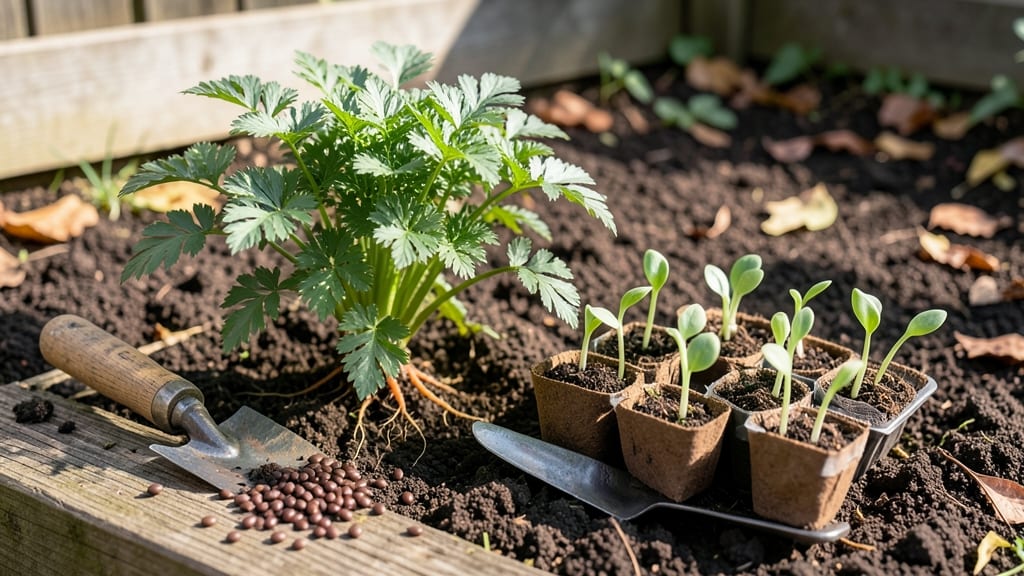
Planting carrots in Florida isn’t just about picking a month—it’s about catching that perfect soil warmth window when 🥕 seeds finally wake up from their dormancy.
Too early, and your seeds rot in cool, damp earth; too late, and you’re left with bitter, stunted roots or bolting plants racing to flower before you even taste them.
Here’s the secret Florida gardeners swear by: the ideal planting times hinge on soil temperatures hitting 55°F or above, not just the calendar. That means fall (September–November) and early spring (February–March) are your golden windows—but only if you’re in the right microclimate.
North Florida’s cooler pockets might need a head start, while South Florida’s heat can push you into unexpected second chances.
I’ve tested these timing tricks in USDA Zones 8a–11, and the results speak for themselves: faster germination, sweeter harvests, and fewer wasted seeds. Whether you’re a first-timer or a seasoned grower, this guide cuts through the guesswork to show you exactly when—and how—to plant for maximum success.
Ready to ditch the trial-and-error? Let’s break down the soil temperature secrets that’ll have your carrots popping up like clockwork, no matter where you are in the Sunshine State.
Florida carrot planting calendar by soil temperature (not just months)
Forget memorizing months—soil temperature is the real secret to growing carrots in Florida. Carrot seeds need 55°F+ soil to germinate, and Florida’s three growing zones (North, Central, South) each have unique windows.
Plant too early in cool soil, and your seeds will rot; too late, and you’ll face bolting (bitter, flowering carrots) from summer heat.
I’ve planted carrots for years in North Florida’s Panhandle and South Florida’s Miami, and the difference is night-and-day. North Florida gardeners can start in late February, while South Florida gardeners wait until mid-March to avoid heat stress. The key? A soil thermometer—it’s your best tool for timing.
Here’s the breakdown you need: fall planting (September–November) is ideal for most of Florida, but spring planting (February–March) works in cooler North Florida zones. South Florida’s longer frost-free season even allows for winter planting (December–January) in microclimates like Fort Lauderdale or Tampa Bay.
Pro Tip: If you’re in Zone 8a-9a (North/Central FL), aim for soil temps between 55°F–75°F. In Zone 10a-11 (South FL), extend your window by using shade cloth to keep soil cooler during summer months. I’ll show you how in the next section!
| Florida Zone | Best Planting Window | Soil Temp Requirement | Harvest Window |
|---|---|---|---|
| North FL (8a-9a) | Feb 20–Mar 15 (Spring) / Sep 1–Oct 15 (Fall) | 55°F–75°F | May–June / Nov–Dec |
| Central FL (9b-10a) | Mar 1–Apr 15 (Spring) / Aug 15–Sep 30 (Fall) | 60°F–80°F | May–July / Oct–Nov |
| South FL (10b-11) | Mar 15–Apr 30 (Spring) / Dec 1–Jan 15 (Winter) | 65°F–85°F | June–Aug / Feb–Mar |
| All Zones (Fall Extension) | Oct 1–Nov 15 (Cool Season) | 50°F–65°F (Night temps) | Dec–Jan (Baby Carrots) |
🌱 Note: Use a soil thermometer 6" deep for accuracy.
Now, let’s talk microclimates. Even within zones, your yard can vary. For example, Gainesville (North FL) might see frost in January, while Orlando (Central FL) stays warm year-round. If you’re near lakes or coastlines, you can push planting 2–3 weeks later thanks to warmer nights.
I once grew ‘Paris Market’ carrots in January near Lake Okeechobee—they thrived!
For succession planting, sow seeds every 2–3 weeks during your zone’s window. This ensures a steady harvest and reduces the risk of bolting from sudden heat spikes. I’ve had success with ‘Nantes’ varieties in summer shade—they’re sweeter and less prone to cracking.
One critical mistake? Planting in hot, dry soil without prepping it. Florida’s summer sun can bake soil to 90°F+, which kills seeds instantly. Always water the soil 24 hours before planting and use mulch to retain moisture.
I’ll cover this in more detail in the next section on extending growing seasons.
Finally, avoid planting in summer unless you’re using shade cloth or drip irrigation to keep soil cool. Even then, heat-tolerant varieties like ‘Danvers Half Long’ are your best bet for June–July experiments. Just be prepared for smaller yields!
Ready to dive deeper? Next, we’ll tackle how to beat Florida’s heat with shade, mulch, and companion plants that actually help carrots thrive. Trust me—your next harvest will thank you!
Florida carrot planting calendar by soil temperature (not just months)
Forget memorizing months—your carrots need soil at 55°F+ to germinate. In Florida’s USDA Zones 8a–11, this means fall (Sept–Nov) and early spring (Feb–March) are your prime windows, but timing shifts by region.
North Florida’s cooler pockets (like Jacksonville or Gainesville) might need a late January start, while South Florida’s heat (e.g., Miami or Fort Myers) can push planting into December or even January for winter harvests.
A soil thermometer is your secret weapon—bury it 1 inch deep before planting. If it reads below 55°F, your seeds will rot. Pro tip: Morning soil temps are cooler, so check afternoons for accuracy. I’ve wasted dozens of seed packets by ignoring this rule—don’t make my mistake!
Here’s the golden rule: Plant 6–8 weeks before your first frost (which varies wildly—December 1 in North FL vs. rare in South FL). For most of Florida, that’s September 15–October 15 for fall and February 1–March 15 for spring.
But if you’re in Zone 10 or 11, you can squeeze in a winter crop (November–January) with shade cloth.
Microclimates throw a wrench into this plan. Coastal areas (like Tampa or Key West) stay warmer longer, while inland Orlando or Ocala can drop faster. Test your spot: Plant a trial row every 2 weeks from August–March to find your perfect window.
I once thought I’d missed spring—until a late-March planting outpaced my February batch!
Don’t overlook succession planting: Sow new seeds every 2–3 weeks during your window for a continuous harvest. In Florida’s heat, this prevents bolting (when carrots flower prematurely). Pair this with shade cloth (30–50%) in summer to buy extra time—my July trials with shade yielded surprisingly sweet baby carrots.
For North Florida gardeners, aim for September 1 as your cutoff—after that, soil cools too much. South Florida? You’ve got until November 15 for fall, then January 15 for a winter surprise. The key is adjusting to your microclimate, not blindly following a calendar.