
Companion Plants
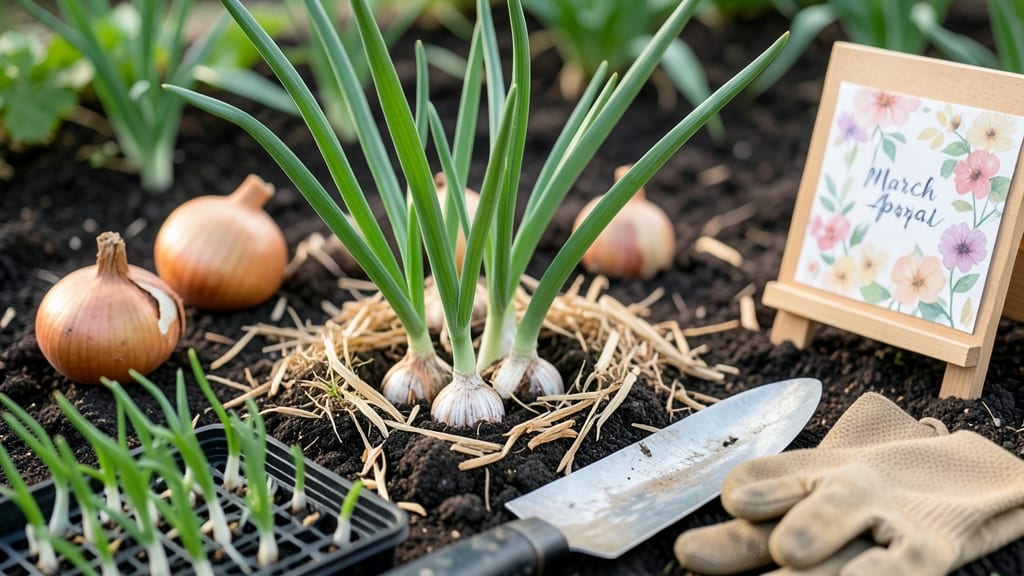
If you're wondering "when can I plant onions in Zone 6", timing is the secret to avoiding bitter bulbs or wasted effort. The right window means the difference between a bumper crop of sweet, flavorful 🧅 and a patch of struggling greens that never mature.
Zone 6 gardeners have two prime opportunities: early spring (March-April) for fresh harvests by summer, or late summer (August) for storage onions that mature the following year. But planting too soon risks frost damage, while waiting too long can lead to bolting - when onions flower prematurely and turn bitter.
I'll break down the exact months for bulbs, sets, and green onions, plus how to adjust for your specific last frost date. Whether you're growing for immediate use or long-term storage, these tips will help you plan like a pro.
Ready to grow onions that taste like they came from a farmers' market? Let's dive into the perfect planting schedule for your Zone 6 garden and ensure you get the harvest you're dreaming of.
Zone 6 onion planting schedule by variety (bulbs, sets, and green onions)
Onions thrive in Zone 6 when planted at the right time, but the perfect window depends on whether you're growing bulbs, onion sets, or green onions. Each type has unique timing needs to avoid bolting or frost damage.
For bulb onions, aim for 4-6 weeks before your last frost date (typically mid-March to early April in Zone 6). This gives them enough time to mature before summer heat sets in.
Green onions, on the other hand, are more forgiving. You can plant them 2-3 weeks before the last frost (late February to early March) for an early harvest, or even sow successive crops every 2 weeks through early summer for continuous greens.
Onion sets, which are pre-grown young plants, can be planted as early as late February if your soil is workable.
Late summer is another key window for storage onions—plant in August for harvest the following year. These onions need a full growing season to develop large bulbs that store well. The goal is to ensure they mature before the first frost (around mid-October in Zone 6).
Soil temperature is critical: onions germinate best in soil that's 40-50°F. If your soil is colder, wait until it warms up to avoid slow germination or rot. Use a soil thermometer to check—this small tool can save you from wasted seeds!
Zone 6 Onion Planting Schedule
| Variety | Planting Window | Soil Temp | Notes |
|---|---|---|---|
| Bulb Onions | March-April (4-6 weeks before last frost) | 40-50°F | Long-day varieties for summer harvest |
| Onion Sets | Late February-April | 40°F+ | Faster harvest than seeds; plant deeper |
| Green Onions | February-May (successive plantings) | 35°F+ | Harvest greens in 4-6 weeks; no bulb development |
| Storage Onions | August (for next-year harvest) | 50-60°F | Short-day varieties; cure bulbs before storage |
If you're growing long-day onions (like Yellow Sweet Spanish or Texas Early White), plant them in early spring for summer harvests. These varieties need 14+ hours of daylight to form bulbs, which is why timing is critical.
For short-day onions (like Red Creole or Texas Early White), you can plant them in late summer for storage.
Pro tip: Use row covers if planting early to protect seedlings from late frosts. These lightweight fabrics trap heat and can push back frost dates by 2-3 weeks, giving your onions a head start. Just remove covers once true leaves appear to avoid overheating.
In Zone 6, May plantings are risky for bulbs—they may bolt before maturing. Instead, focus on green onions or shallots, which tolerate warmer soil better. For bulbs, stick to the March-April window or the August storage window for the best results.
Always test your soil's pH level before planting—onions prefer 6.0-7.0. If your soil is too acidic, add lime in the fall before planting. A simple soil test kit (available at garden centers) makes this easy and ensures your onions get the nutrients they need to thrive.
Finally, mark your calendar for harvest time, which typically falls between July and September for spring-planted onions. Look for yellowing tops and firm bulbs as signs that your onions are ready to pull. Don't wait too long—they'll start to split if left in the ground!
Zone 6 onion planting schedule by variety (bulbs, sets, and green onions)
Onions in Zone 6 thrive when planted at the right time—whether you're growing bulbs, onion sets, or green onions. The key is avoiding frost damage and preventing bolting (premature flowering).
For most varieties, aim to plant 4-6 weeks before your last frost date, which in Zone 6 is typically around mid-April.
Green onions are the most forgiving and can handle cooler temps, while bulbing onions need warmer soil to develop properly. If you miss the spring window, don’t worry—late summer plantings (around August) work well for storage onions that mature the following year.
🌱 Onion Planting Schedule for Zone 6
| Variety | Best Planting Time | Soil Temp | Notes |
|---|---|---|---|
| Bulbing Onions (from seed) | March-April (indoors) or April (direct sow) | 45-50°F (7-10°C) | Start indoors 8-10 weeks before last frost. |
| Onion Sets | March-April (spring) or August (fall) | 40-50°F (4-10°C) | Sets are ready to harvest in 60-90 days. |
| Green Onions (scallions) | March-May or August-September | 35-50°F (2-10°C) | Can be harvested in 40-60 days. |
| Storage Onions | Late July-August | 50-60°F (10-15°C) | Harvest next spring for long-term storage. |
For spring plantings, focus on short-day varieties like 'Texas Early White' or 'Yellow Granex' if you're in the southern part of Zone 6. Long-day varieties like 'Sweet Sandwich' or 'Red Baron' need cooler temps early on to prevent bolting.
If you're in the northern part of Zone 6 (6a), wait until mid-April to plant sets or seeds to avoid frost.
Pro tip: Use mulch after planting to keep soil temps stable and prevent weeds. This is especially helpful in Zone 6, where soil can warm up unevenly. For fall plantings, choose varieties like 'Stuttgarter' or 'Yellow Globe'—they handle cooler temps better and store well over winter.
Always test your soil’s pH level (aim for 6.0-7.0) before planting, as onions are sensitive to acidic conditions. Amend with compost or lime if needed to create the perfect environment for your onions to thrive.